
3 unsexy things we’re glad Penélope Cruz has raised this summer, re perimenopause
At a glance
What Penélope Cruz’s candid conversation reveals about the less-talked-about realities of perimenopause.
Perimenopause can last for years: The hormonal transition before menopause can continue for a decade or more, with symptoms and periods changing unpredictably.
PMOS can add complexity: Ovarian cysts and fluctuating hormones can overlap with perimenopause symptoms, making it harder to know what’s causing what.
Frozen shoulder can be linked to perimenopause: Hormonal changes may increase the risk of adhesive capsulitis, a painful condition causing shoulder stiffness and restricted movement.
When we talk about celebrities and menopause, the conversation tends to focus on the symptoms we already know about: hot flashes, night sweats, changing periods and mood swings. But perimenopause can involve a much wider range of symptoms and experiences, many of which women may not realize are connected to changing hormones.
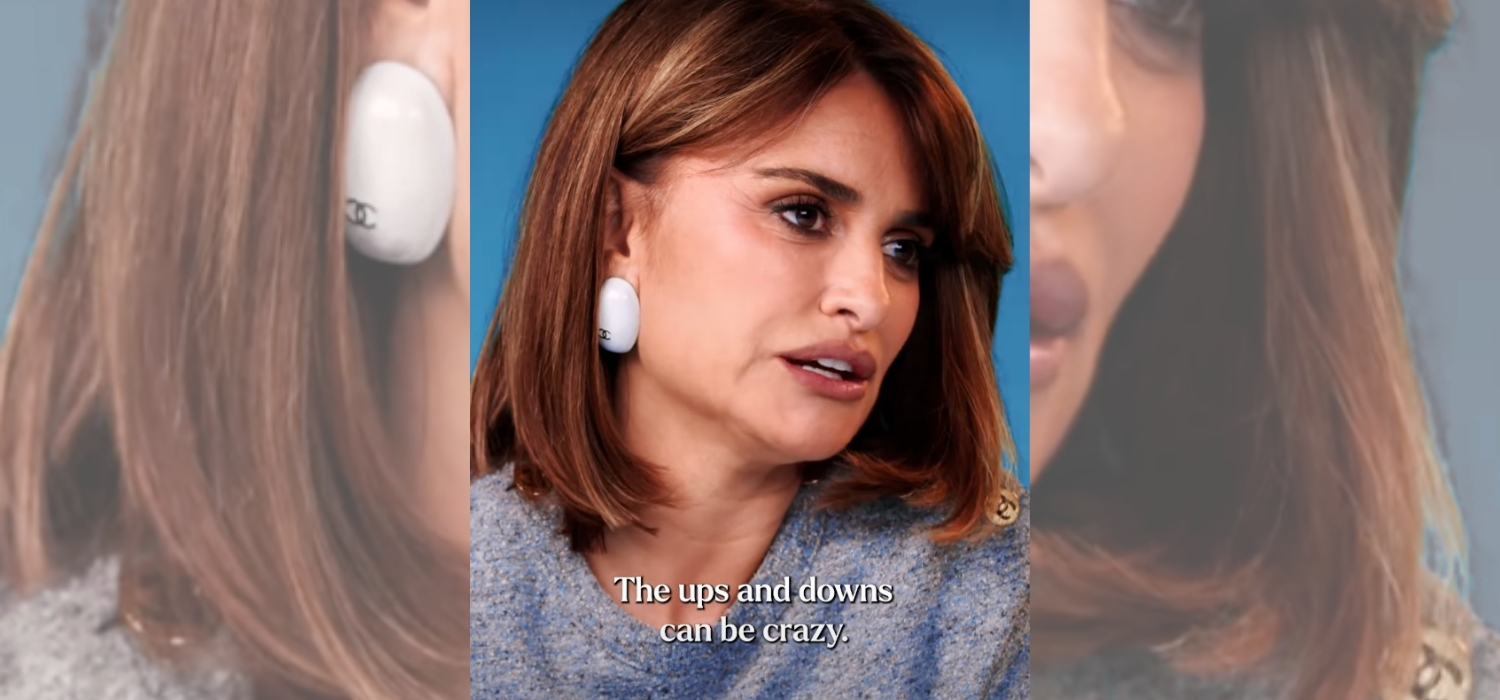
That’s what makes this chat for Allure between Penélope Cruz, 52, and Olivia Wilde, 42, particularly interesting. Penélope talks candidly about her own experience of perimenopause, including how long the transition can last, the impact of ovarian cysts and a symptom neither of them expected to be discussing: frozen shoulder.
Here are three things Penélope has brought into the conversation that deserve more attention.
Perimenopause can last several years
When Olivia asks Penélope what she thinks is the part of perimenopause that is least talked about publicly, Penélope has a very specific answer.
“That it can last 10, 12 years.”
She explains that when she was 41, she was told that her hormones would be doing “this crazy dance” for the next 10 or 12 years. Her reaction was understandable: “I thought it was a really bad joke and that it was not possible to handle that.”
The reality is that perimenopause can last for several years, and there is considerable variation from woman to woman. It is the transitional stage before menopause, when hormone levels fluctuate and periods can become less predictable. Some women experience symptoms for a relatively short period, while for others the transition can take many years.
Importantly, being in perimenopause does not necessarily mean your periods have stopped. Penélope explains that at 52 she is still getting her period every month, despite experiencing significant hormonal fluctuations.
For anyone approaching their 40s or already noticing changes in their cycle, understanding that perimenopause can be a long and unpredictable process is useful. It can also help explain why symptoms may come and go rather than following a straightforward pattern.
At age 40 myself, I’ll definitely be investing in more period underwear, then.
PMOS can be brutal in perimenopause
Penélope has also spoken about having PCOS, now increasingly referred to as PMOS, or polycystic metabolic ovarian syndrome. During the Allure conversation, she explains that she has developed cysts on her ovaries “almost every month” and continues to experience them.
“They spike hormones,” she says, explaining that she still gets her period every month and that her hormones are “up, down, up and down.”
For women already dealing with a reproductive or hormonal health condition, perimenopause can add another layer of complexity. Changes that might otherwise be attributed to the menopause transition can overlap with existing symptoms, making it difficult to know what is happening and when it is worth speaking to a healthcare professional.
“People have to know, because you have to prepare yourself,” Penélope says.
It is a sentiment that applies more broadly to perimenopause. The more we understand about the possible symptoms and the fact that there is no single way to experience this stage of life, the better equipped we are to recognize changes in our own bodies.
We have seen celebrities play a similar role in opening up conversations around other reproductive health conditions. Take a look at our round-up of celebrities who have spoken about adenomyosis for more.
Frozen shoulder in perimenopause is a thing
Perhaps the most unexpected part of the conversation is the discussion around frozen shoulder.
Penélope explains that she has never experienced the hot flashes that many people associate with menopause. Olivia then reminds her that she was the person who taught her about “the frozen shoulder thing”.
Frozen shoulder, medically known as adhesive capsulitis, causes pain, stiffness and restricted movement in the shoulder. The condition can make everyday activities such as reaching overhead, getting dressed or moving the arm behind the back difficult.
There appears to be a connection between menopause and frozen shoulder, with hormonal changes potentially contributing to the increased risk during midlife. However, anyone experiencing persistent shoulder pain or restricted movement should speak to a healthcare professional rather than automatically assuming it is a menopause symptom.
Olivia explains that she learned about the connection during an unscripted scene in The Invite, in which Penélope’s character Pína talks about perimenopause. Penélope credits Dr. Mary Claire Haver with helping her understand the symptom in the first place.
The conversation is a useful reminder that perimenopause is about much more than hot flashes. While they are one of the best-known symptoms, women can experience a wide variety of physical and emotional changes during this stage, and some may be surprising.
That is why hearing celebrities talk openly about their own experiences can be so helpful. When a familiar face talks about something as ordinary – and potentially confusing – as frozen shoulder, ovarian cysts or years of hormonal fluctuations, it can prompt other women to look at their own symptoms differently and seek out information and support.
And perhaps that is the most useful thing about celebrities talking about perimenopause: not presenting one definitive experience of menopause, but showing just how different it can look from one woman to the next.
View this post on Instagram
For more women changing the conversation around menopause, see our guide to menopause influencers. You can also read more about CoQ10 and menopause and for IRL A-lister experience, our round-up of celebrities who have had IVF.
Image and video via Allure Magazine. Video embedded from Allure Magazine’s social media channels: @allure