
The NHS is rolling out home HPV tests in the UK – Here are 3 key things to know

At a glance...
The Ribbon Box has put together this guide to the NHS home HPV testing rollout, explaining who can access a kit, how HPV self-sampling works and what happens if your result is positive.
NHS home HPV tests are being rolled out across England, initially offering free self-sampling kits to around four million people aged 30–65 who have not attended cervical screening after previous invitations.
You can test for HPV at home using a self-sampling swab, but the NHS home HPV test checks for high-risk HPV rather than abnormal cervical cell changes.
At-home HPV tests are highly accurate when used correctly, but if high-risk HPV is detected, you’ll need follow-up cervical screening with a healthcare professional.
The NHS is now rolling out at-home HPV testing across England, giving some people the option to collect their own sample at home.
In a nutshell – Nearly four million women will initially be offered a free HPV home test kit because they have not attended cervical screening after previous invitations.
Cancer Research UK’s chief executive Michelle Mitchell said: “While it’s best for cervical screening to be done by a nurse or doctor, there are barriers that make it challenging for some people to attend. At-home HPV self-testing kits will help more people take part in a way that works for them.”
Here are three things to know about the new rollout – plus some of your top FAQs, smashed.
1. The NHS home test checks for HPV, not cervical cell changes
The first thing to understand is that this at-home smear test is actually an HPV self-test.
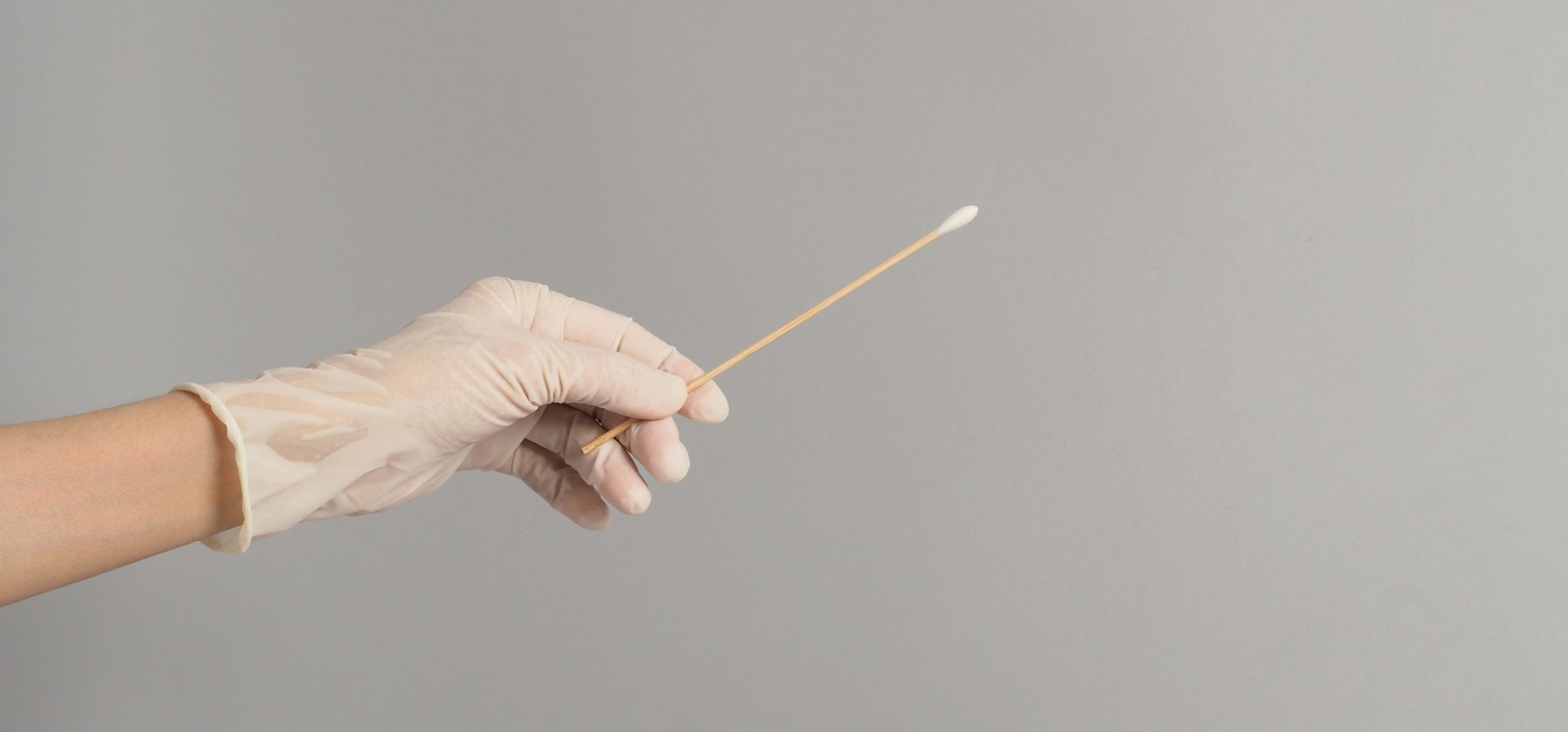
The kit contains a swab, similar to a long cotton bud, which you use to collect a sample from inside your vagina. You then return the sample to the NHS using the instructions provided, where it is tested for high-risk types of human papillomavirus (HPV).
The NHS tells us that HPV is extremely common and, in most cases, your immune system clears the infection without causing problems. However, some types of high-risk HPV can cause changes to cells in the cervix. If these changes persist, they can eventually develop into cervical cancer.
This means an HPV home test works slightly differently from a traditional cervical screening appointment. During a clinician-led screening appointment, a healthcare professional takes a sample from your cervix and the sample is tested for HPV, with further examination of cervical cells where needed.
With self-sampling, you collect the vaginal sample yourself. If high-risk HPV is detected, you’ll be asked to have a follow-up cervical screening appointment, where a healthcare professional can take a sample from your cervix and check for abnormal cell changes.
2. You won’t automatically be able to order an NHS HPV test at home
Wondering can you do an HPV test at home through the NHS? Yes, but currently the new NHS home-testing programme is being offered to specific groups rather than everyone eligible for cervical screening.
The national rollout in England is initially focused on:
- people aged 30 to 65
- who have not attended cervical screening after previous invitations.
If you’re eligible, you may receive an invitation through the NHS App, by text, email or letter. You can then order your free kit through the NHS App or your NHS online account.
If you regularly attend your cervical screening appointments, you should continue booking them as usual.
There is also a specific self-screening route in London. Since 27 August 2026, every GP practice in London has been able to offer self-swab cervical screening to eligible people who are at least six months overdue, with the option available through participating practices.
3. Home HPV tests are accurate, but you still need to follow up if the virus is found
Research behind the NHS rollout (including this key review) has found that self-sampling can provide results comparable to samples taken by healthcare professionals.
Not only that, the process itself isn’t too tricky. One study found that women who self-sampled thought the instructions were clear (98%), it was easy to use the swab (95%), and 81% were confident that they did the test correctly.
Remember though, the HPV home test tells you whether high-risk HPV has been detected. It does not tell you whether you have abnormal cervical cells.
If your result is HPV positive, try not to panic. HPV is common, and having high-risk HPV does not mean you have cervical cancer or that you will develop it. Instead, you’ll be invited for the next stage of screening so a healthcare professional can examine cells from your cervix.
Quick FAQs
When are the new NHS HPV home-testing kits rolling out?
The NHS began rolling out HPV home-testing kits in England in August 2026, initially offering them to around four million women aged 30–65 who have not attended cervical screening after previous invitations.
Are NHS HPV home tests free?
Yes. NHS HPV home-testing kits are free for people who are invited to take part in the NHS home-testing programme.
How can I get the new NHS HPV home-testing kit?
If you’re eligible, you’ll receive an invitation from the NHS by letter, text, email or through the NHS App, with instructions on how to order your free home HPV test kit.
What’s included in the new kits?
The new NHS HPV home-test kit includes a self-sampling swab that you use to collect a vaginal sample at home, along with instructions explaining how to complete and return your sample.
Can you do an HPV test at home?
Yes, you can do an HPV test at home using a self-sampling kit. The NHS is now rolling out home HPV testing to eligible people in England, while private HPV home test kits are also available.
How accurate are at home HPV tests?
At-home HPV tests are highly accurate when used correctly. NHS research has found that self-collected samples can provide results comparable with samples collected by healthcare professionals.
How to test HPV at home?
To test for HPV at home, you use a self-sampling swab to collect a vaginal sample, then return it for laboratory testing according to the kit’s instructions. If high-risk HPV is detected, you’ll be offered follow-up screening at your GP surgery or sexual health clinic.
A “gamechanger”? We think so
The introduction of at-home cervical screening gives more people a practical way to take part in an important health check.
If you receive an NHS invitation for an HPV home test kit, follow the instructions, return your sample as advised and make sure you follow up on your result.
And if you’re eligible for cervical screening but haven’t received an at-home test invitation, you can still contact your GP surgery or a sexual health clinic to arrange a screening appointment.
Add to your read, scroll & save list
- Read up: Have a look at the detail on the NHS rollout here, as well as the London self-swab cervical screening route here.
- Read up: 3 real smear test stories that’ll help you feel less embarrassed at your next appointment
- Save for later: Can you still get a smear test on your period? Your most-searched questions, answered
- Save for later: 5 common STIs that could impact your fertility (and why getting to know your vaginal microbiome is key)
The Ribbon Box’s editorial team has reviewed this guide against current NHS guidance and research on HPV self-sampling, as of August 2026.