

Painful sex after menopause? There are a few natural, at-home tricks for that – Here are 5 of the best


At a glance...
Painful sex after menopause is common, often linked to lower estrogen, vaginal dryness and changes in the pelvic floor, but it’s not something you simply have to accept.
Hydration, pelvic floor relaxation, the right lubricant or moisturizer, supplement support and open communication can all help make intimacy more comfortable.
At The Ribbon Box, you’ll find more expert-backed information and practical advice for navigating painful sex after menopause, intimacy, pelvic floor and more.
Sex is supposed to be enjoyable, and it shouldn’t hurt. Well, unless you’re into that!
If things start to feel sore, dry, stingy or just a bit uncomfortable after menopause, you’re certainly not imagining it. Changes in our bodies during this time can make penetration feel different from how it used to.
The good news? When sex hurts after menopause, you shouldn’t (ever) have to just ‘manage’ your way around it, and there are things we can do at home to support comfort, from getting clever about hydration and pelvic floor relaxation to finding a really, really good supplement.
We’ve teamed up with BB Company, the experts behind the top-reviewed Radiancy vaginal probiotic & collagen blend supplement, for their take on it all. We asked their go-to pelvic floor physical therapist Dr. Monica Frydach from Moving Like A Mother, to explain what’s going on and share some simple could-dos you might want to try at home.
Let’s get into it.
Why does intercourse hurt during menopause, and after?
The medical term for painful intercourse is dyspareunia, and menopause is one potential reason for it. If you’ve been googling “why is sex painful after menopause?” at 2am, you might see that estrogen is one of the first culprits.
“After menopause, estrogen levels decrease, which can cause the vaginal tissues to become thinner, less elastic, and less lubricated,” explains Dr. Monica. “This can lead to dryness, irritation, burning, or pain with penetration.”
And there’s another piece of the puzzle: your pelvic floor.
These are the muscles sitting at the base of your pelvis, and they have a rather important job during sex. If penetration has become painful, your pelvic floor muscles can respond by tightening or becoming protective. Unfortunately, that tension can then make penetration feel even more uncomfortable, creating a rather unhelpful pain-tightness-pain cycle.
Dr. Monica also explains that stress and everyday habits can also contribute to pelvic floor tension, so there can be several things going on at once.
Is painful sex after menopause normal?
Common? Yes.
Something you should simply accept? No.
“If sex is consistently uncomfortable, painful or causing burning, tearing or bleeding, it’s worth speaking to a healthcare professional,” says Dr. Monica.
There are lots of ways to manage painful sex, and a pelvic floor physical therapist can be a useful part of the picture.
How to make sex less painful after menopause (naturally)
If you’re looking for natural approaches for painful sex during menopause, there are a few places you can start.
None of these is a magic wand, and what works for you may not work for someone else. But small changes to your everyday habits can support vaginal comfort, pelvic floor health and your general wellbeing.
Here are five worth knowing about.
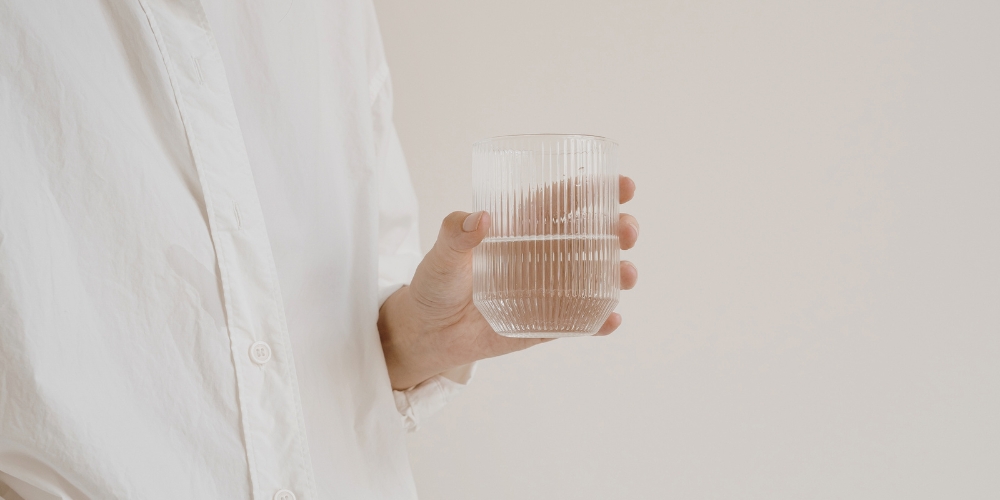
1. Hydration
We know, we know. Another article telling you to drink more water.
But there is a reason hydration keeps popping up. Staying hydrated supports your overall tissue health and can help with vaginal and urinary tract comfort.
Dr. Monica suggests drinking around half your body weight in fluid ounces regularly throughout the day, rather than getting to 7pm and attempting to make up for an entire day’s worth of water in one heroic sitting.
A few easy tricks (plus, peep our team’s guide here):
- Keep a water bottle within reach.
- Have a glass of water with meals.
- Drink a little more around exercise or in hot weather.
- Get into the habit of sipping regularly rather than waiting until you’re desperately thirsty.
“If you’re frequently thirsty or your urine is consistently dark yellow, it could be a sign you’re not getting enough fluids,” she says.
2. Pelvic floor exercises
When menopause sex hurts, you might assume the answer is to strengthen your pelvic floor with lots of Kegels. But if your pelvic floor is already tense, squeezing it even more may not be what you need.
“With painful sex, more Kegels aren’t always the answer,” says Dr. Monica. “For many women, the pelvic floor is actually too tight and needs to learn how to relax and lengthen.”
Pelvic floor physical therapy can help with awareness, relaxation, coordination and strength when appropriate. And there are a few gentle exercises Dr. Monica swears by, that you can try at home.
360° breathing
Lie comfortably with one hand on your belly. Inhale slowly through your nose and imagine your ribs and pelvic floor gently expanding and relaxing. Exhale without squeezing your pelvic floor.
Repeat for 5–10 breaths.
Supported child’s pose
Kneel with your knees comfortably apart and sit your hips back toward your heels. Support your chest with pillows and take slow, deep breaths, focusing on relaxing your pelvic floor.
Stay here for 30–60 seconds.
Pelvic floor “drop”
Imagine the muscles you would use to stop urine flow. Instead of squeezing them, imagine those muscles softening and gently dropping downward.
Practice for 5–10 breaths while breathing normally.
If anything hurts, stop. And if you’re not sure whether your pelvic floor needs strengthening or relaxing, that’s exactly where a pelvic floor physical therapist can help.
3. The role of nutrition (and supplementation)
The health of your skin, connective tissue and other tissues is influenced by the nutrients you’re getting overall, making nutrition an important part of healthy aging.
A good starting point is wonderfully unglamorous – eating a varied, nutrient-rich diet with plenty of protein, fruits, vegetables and healthy fats.
Then there are supplements.
Collagen has become something of a menopause wellness darling, largely because collagen is an important structural protein found throughout the body, including in the skin and connective tissues. As we age, our natural collagen production changes, which is one reason some women choose to add a collagen supplement to their routine.
BB Company’s Radiancy Collagen takes that idea a step further, combining a multi-collagen blend with ingredients including hyaluronic acid, ceramides, vitamins C and E, antioxidants and Sakura extract.
It also contains three probiotic strains designed to support the vaginal microbiome, alongside nutrients selected to support hydration and skin health. It’s a complete inside-and-out approach to intimate and whole-body wellbeing, with the aim of supporting supple, hydrated skin and greater intimate comfort.
Whilst this isn’t a treatment for painful sex, if you’re looking at how to reduce pain during sex after menopause without hormones, nutritional support like this can sit really well alongside the other lifestyle measures you’re taking.

4. Lubrication and moisturizer
If dryness is making penetration uncomfortable, lube can be your friend.
And there is absolutely no prize for trying to just get on with it when things feel dry. Friction + already-sensitive vaginal tissue = a combination we’d happily avoid.
Lubricants are designed to reduce friction during sexual activity, so they’re useful when you’re actually having sex. Look for a formula that feels comfortable and doesn’t irritate your skin. If you’re sensitive, fragrance-free and simpler formulations can be a good starting point.
Vaginal moisturizers, meanwhile, are designed for regular use and can help with ongoing dryness between sexual activity. They’re not quite the same thing as a lubricant, although the names are often thrown around interchangeably.
You may need to experiment a little to find the product that suits your body. And hey, that can be part of the fun!
5. Partner communication
Let’s talk about the slightly less tangible, but very important, part of the equation – your partner, if you have one.
When sex starts hurting, it can be tempting to push through it, hope it gets better or silently avoid intimacy altogether. None of those options is particularly helpful for your relationship with your body or your partner.
Tell them what’s comfortable. Tell them what isn’t. Ask them to slow down. Stop when you need to. And give yourself permission to take penetration off the table while you work out what’s happening.
There are plenty of ways to keep intimacy enjoyable without making penetration the main event. More time for arousal, additional lubricant, different positions and simply taking things slower can all help.
The key takeaway here? Opening up the conversation, and getting comfy with saying “not today” or “let’s try something different” can make a difference.
The bottom line?
If painful sex after menopause is a reality for you, you absolutely have options.
Staying hydrated, learning to relax your pelvic floor, eating well, considering nutritional support such as probiotic collagen, finding a good lubricant or moisturizer and communicating openly with your partner can all form part of your approach.
If pain is persistent, severe or accompanied by burning or bleeding, speak to a healthcare professional. Finding out what’s causing the pain is the best way to find the right solution.
And if you’re looking for a really convenient and actionable way to support your skin, intimate health and wider wellbeing during menopause, jump over to shop BB Company’s Radiancy Collagen.
Its blend of collagen, hydration-supporting nutrients and vaginal probiotics can be incorporated into a wider menopause wellness routine – and even better, TRB readers can enjoy 10% off the entire BB company menopause supplement range with code TRB10* at checkout.