

My partner’s sperm has low motility and morphology – how can I support him? (Hint: it’s a three month project)

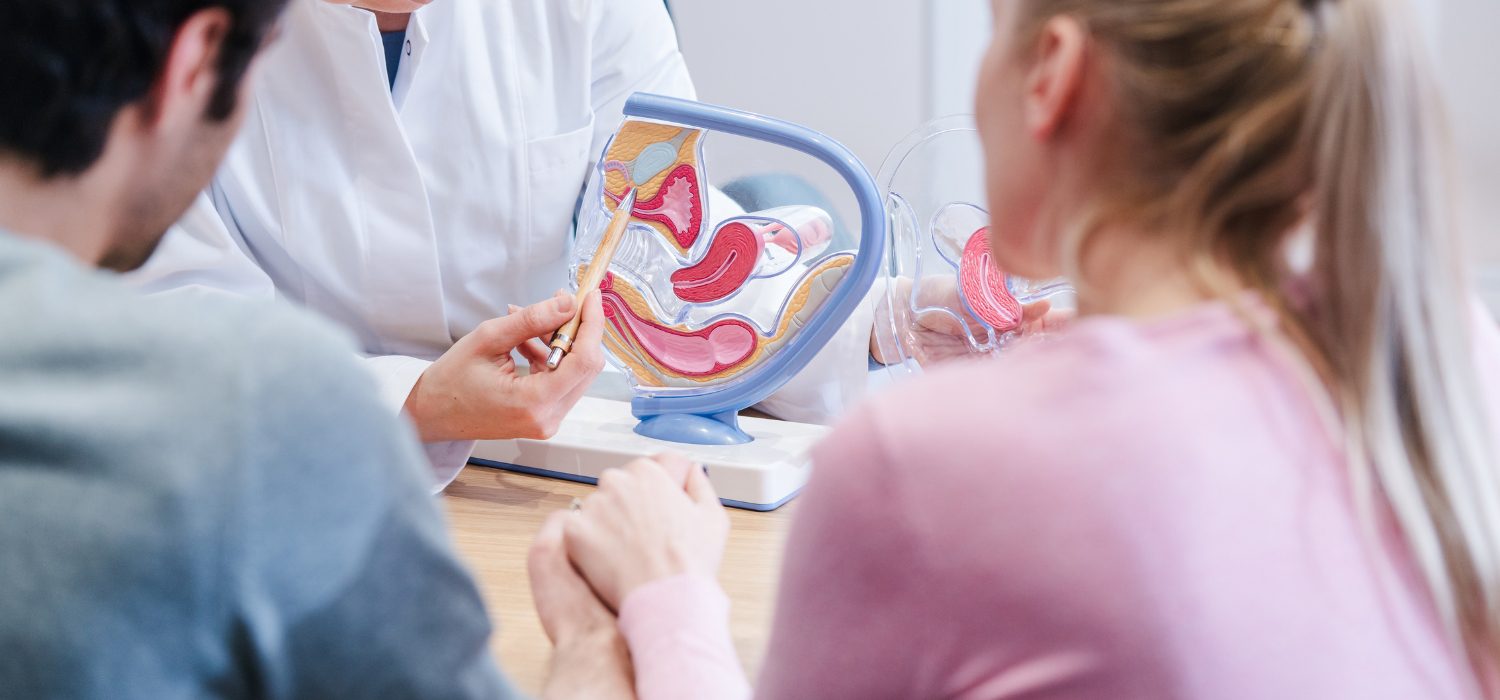
You’ve tested, he’s tested – and the results are in. Finding out that your partner’s sperm is a potential problem can be really difficult, particularly when you’re waiting to start fertility treatment, or planning to try for a baby as soon as possible (we’re here for this, by the way – my husband and I are planning to try again in 2027, eek!)
But know this – overwhelm is natural, sperm issues are common and a semen analysis is a starting point, not the final word.
There are lifestyle changes, nutritional considerations and targeted supplements that may help support sperm health – and, importantly, there is a clear timeframe for making those changes and assessing whether they have worked.
Fertility is a shared journey
That’s the mindset at Zita West Products, and we’re locked in and on board. If you or your partner have had a less than picture-perfect semen analysis result, this is your at-home support plan, powered by the nutrition team across these globally recognised research-led formulations.
Speaking personally, this was the go-to for me and my husband across our fertility journey. From our first appointment with their Zita West Products nutrition team a decade ago, to prepping now for a baby in our 40s, tip-top egg and sperm health has always been a shared ‘thing’ (I do the planning – he does the meal prep!)
Looking for the Zita West discount code? TRB readers get 10% off the entire Zita West Products supplement range (US and UK), with code TRB10* at checkout.
Keep reading for how to improve sperm morphology, how to boost sperm motility, and how to get pregnant with either (or both!): Here’s what you need to know.
“Test, don’t guess.”
That’s the overriding guideline from Zita West Products Fertility Nutritionist Raquel Monroy.
But once you have your results – what do sperm motility and morphology actually mean for your fertility profile?
Before thinking about how to improve sperm health, it’s worth understanding what the numbers on a semen analysis are telling you.
Sperm motility refers to how well sperm move. This matters because, in order to fertilise an egg naturally, sperm need to be able to move through the female reproductive tract and ultimately reach the egg.
Sperm morphology refers to the size and shape of sperm. A sperm with a typical structure has a better chance of moving effectively and functioning as it should. Abnormal morphology doesn’t necessarily mean that fertilisation is impossible, but it can be one factor that affects fertility.
A semen analysis can also look at sperm concentration or count, giving you a picture of how many sperm are present alongside how well they move and what they look like.
Importantly, these results can vary, which is one reason a single semen analysis doesn’t necessarily tell you the whole story.
If your partner has been told he has poor motility or morphology, the next step isn’t necessarily to panic. It’s to understand the result, look at the potential contributing factors and consider what can be changed.
How can we improve things?
There isn’t one magic food, supplement or lifestyle change that can transform sperm overnight.
Instead, think about sperm health as a three-month project.
The basics matter: a nutrient-dense diet, adequate protein, good-quality sleep, appropriate exercise, avoiding excess heat and reducing exposure to things that may negatively affect sperm health.
Then there are specific micronutrients that may be particularly useful when you’re trying to boost sperm motility and support morphology.
And there is a reason for the three-month timeframe: spermatogenesis – the process of sperm production – takes roughly 74 days from start to finish.
That means the sperm being assessed today began developing around two and a half months ago.
As Zita West Products Nutritionist Isabelle Obert puts it:
“Even now, when there’s so much research out there, there are still people who say they’ve been told there’s nothing they can do. But actually, there is a lot you can do, especially around nutrients. There are lots of really simple, everyday things you can do to help.”
Which nutrients can support sperm morphology and motility?
When sperm parameters are less than optimal, it’s tempting to start taking every supplement you’ve vaguely heard of, for boosting sperm health.
But targeted nutritional support makes more sense – financially and strategically. Here’s Isabelle’s 101 list of micronutrients to keep in mind, when scanning your products.
CoQ10
CoQ10 is particularly interesting when you’re looking at morphology and motility.
In male fertility, CoQ10 plays a role in sperm mitochondria, supporting motility and structural integrity. It helps protect sperm DNA from oxidative damage and supports the energetic demands of sperm maturation and transport.
Supplementation is often recommended in clinical settings for men with reduced sperm motility or morphology. It’s one of the nutrients with a particularly relevant role in sperm energy production and antioxidant protection, making it an important consideration when sperm motility is reduced.
Vitamin C
Vitamin C is one of the main antioxidants in seminal plasma. It helps protect sperm DNA and cell membranes from oxidative damage and contributes to maintaining sperm motility and morphology.
It can also regenerate other antioxidants, such as vitamin E and glutathione, within seminal fluid.
Zinc
Zinc is essential for testosterone production and sperm formation.
Deficiency is common and easy to test for, making it a useful nutrient to consider when assessing overall male fertility nutrition.
Selenium
Selenium supports sperm motility and tail formation and works as part of the body’s antioxidant defence system.
Folate
Folate isn’t just important for women trying to conceive.
Alongside zinc, it may support sperm count and reduce abnormal sperm. It’s crucial for DNA integrity and, importantly, deficiency in a man may be linked with an increased risk of miscarriage.
N-Acetyl L-Carnitine
N-Acetyl L-Carnitine supports mitochondrial function and sperm motility by aiding fatty acid transport within cells.
Because mitochondria are responsible for producing the energy sperm need to move, this is an important part of sperm function. N-Acetyl L-Carnitine has been shown to support sperm quality, particularly in men with low motility, and is frequently included in evidence-based antioxidant support for male fertility.
L-Arginine
L-Arginine supports sperm development and motility by enhancing testicular blood flow and contributing to nitric oxide synthesis.
It is included in antioxidant blends to support sperm concentration and function, particularly in men with impaired motility or borderline semen parameters.
Vitamin E
Vitamin E helps protect sperm membranes from oxidative damage, supporting both motility and morphology.
It also contributes to maintaining DNA integrity within sperm cells and works alongside other antioxidants in seminal fluid.
Omega-3
Omega-3 is another nutrient worth considering when sperm morphology and motility are a concern.
DHA is a key structural element in the sperm membrane, influencing motility, morphology and membrane fluidity. Omega-3 supplementation is frequently included in male fertility support where oxidative stress or poor sperm parameters are present.
For more on the relationship between omega-3 and fertility, see our guide to omega-3 and fertility – it’s packed with deep-dive information on sperm health.
Vitamin D
Vitamin D status is linked to testosterone levels and semen quality.
It supports sperm motility and count and contributes to the regulation of calcium balance within the male reproductive tract, which is essential for optimal sperm function.
Like folate, vitamin D is often thought of as a nutrient primarily relevant to the woman when trying to conceive, but it is important for the man, too.
Vitamin D is crucial for DNA integrity and deficiency in a man may be linked with an increased risk of miscarriage.
What about supplements?
If your partner has had poor semen results, the goal shouldn’t be to build an enormous supplement stack. Instead, consider what the results show and where there may be specific nutritional gaps or increased oxidative stress.
Isabelle recommends several options depending on the sperm parameters you’re looking to support.
For both morphology and motility as a foundation, Vitamen is the everyday multivitamin option, covering zinc, selenium, folate, CoQ10, vitamin D, vitamin C and vitamin E in one daily supplement.
For deep-dive, targeted morphology and DNA integrity, supplements to consider include Vital DHA, Vitamen Boost and Vitaseed Pro.
Vital DHA supplies omega-3 to maintain sperm membrane integrity and protect DNA from oxidative damage.
Vitamen Boost is a concentrated antioxidant complex containing vitamin C, vitamin E, alpha lipoic acid and zinc. It is designed to sit alongside Vitamen for men with poorer semen results or higher oxidative stress.
Vitaseed Pro is the higher-strength antioxidant formula for men with more oxidative stress or DNA fragmentation concerns.
For motility, Menceive is another option. This probiotic targets the gut and sperm microbiome link to motility. In a recent trial, men taking Menceive saw motile sperm improve by up to 6x after six weeks, highlighting how targeted nutrition may support male fertility.
Isabelle emphasises, ‘The key is to match your approach to the results rather than simply taking everything available.’
Don’t overlook lifestyle
When you’re focused on supplements and semen analysis results, some of the everyday factors that affect sperm health can easily get forgotten.
Interestingly, a state-of-play recent report from the Zita West Products team found some significant blind spots around lifestyle.
Heat exposure from laptops and saunas was only recognised as a risk by 36% of men. Exercise extremes were also recognised by only 36%, while sleep was recognised by just 47%, despite growing evidence linking poor sleep to lower testosterone and sperm quality.
Avoid excess heat
Sperm production and maturation are sensitive to temperature, which is why the testicles sit outside the body. Isabelle advises,
“Never sit with your laptop on your lap, and don’t carry your phone in your front pocket, because when you hold a phone, it’s warm. Wearing tight clothing, sitting in heated offices, saunas, steam rooms, hot baths – all of these can negatively affect sperm production and sperm maturation.”
That doesn’t mean your partner needs to avoid every warm environment forever. But if sperm parameters are already a problem, it’s worth reducing unnecessary heat exposure while you’re working on improving sperm health.
And that includes what you wear.
On lycra specifically, Isabelle says, ‘particularly wearing things like lycra, it’s the tightness, and the fact that the heat can’t escape.’
Don’t overdo exercise
Exercise is generally good for health, but more isn’t always better when you’re trying to optimise fertility.
Isabelle says:
“High intensity exercise is generally not recommended from a fertility perspective, because it can impact sperm quality. Studies show that over five hours a week of cycling may have an effect too. One size never fits all, but it’s something to be aware of.”
So rather than stopping exercise altogether, consider whether your partner’s current routine is particularly intense or involves a lot of cycling.
Prioritise sleep
Sleep is another potential blind spot.
Isabelle notes:
“Sleep is really important. A lot of people don’t get enough sleep, and that’s when your body balances and regenerates. A lack of sleep increases inflammation, and inflammation is a big issue for fertility and for sperm.”
Getting enough sleep isn’t always easy, particularly if you’re already dealing with the stress of trying to conceive. But it’s one of those changes that can support overall health as well as fertility.
Can alcohol affect sperm motility?
Yes, in short.
Alcohol consumption is one of the lifestyle factors worth considering when sperm quality is an issue. In fact, it’s now so widely discussed in fertility conversations that it can feel like background noise. But if your partner has poor sperm parameters, reducing alcohol is a straightforward lifestyle change that may form part of an overall sperm-health plan.
And don’t forget vaping.
Direct long-term human data on vaping and male fertility is still catching up, but the mechanism is plausible given its similarity to smoking, which has an established link to poorer motility and DNA fragmentation.
Consider everyday chemical exposure
There are also potential exposures that may not immediately spring to mind when you think about fertility.
Isabelle says:
“We are bombarded with chemicals – from furniture, to plastics, pesticides in food and pollution. Hormone disrupting chemicals that have oestrogenic type effects can really affect the quality of sperm.
So, it’s looking at your environment – think not microwaving in plastics, not wrapping food in cling film, and so on. You can never get away from these things entirely, but there are steps you can take to reduce exposure.”
You don’t need to become obsessive about eliminating every possible exposure. Instead, focus on practical swaps that are easy to maintain.
What about collagen for sperm motility?
Collagen has become increasingly popular as a protein supplement, but does it actually help sperm?
The short answer is: collagen itself hasn’t been shown to directly boost sperm motility.
However, protein is an important part of reproductive health. During sperm production, the body needs sufficient protein to create and protect new cells.
Collagen provides amino acids that support overall protein and tissue health. Since oxidative stress and protein damage can reduce how well sperm move, collagen may have an indirect, supportive role in sperm motility by helping the body cope with stress and maintain healthy cells, although specific research on collagen and motility is still evolving.
As Isabelle explains:
“Protein is a big part of the fertility diet, and funnily enough, a lot of modern diets are very low in protein. It’s really common for people to grab a coffee and a pastry in the morning, a meal deal at lunch, a sandwich and a bag of crisps, then a big bowl of pasta in the evening because we’re tired.
But, protein provides the building blocks for growth. It’s what sperm is made of, it’s what our muscles are made of. But you don’t want to just have meat-based protein, because high saturated fat isn’t recommended from a male fertility perspective, so fish and plant based sources like beans, lentils and chickpeas are fantastic, alongside eggs, which are a great fertility food.
Collagen has become really popular – lots of people are taking it now. And we know that as we get older, our own collagen production depletes. It’s derived from bone marrow really, which is great for the immune system, and it’s got lots of anti-inflammatory potential, whilst being a support for connective tissue.
When choosing a collagen, focus on grass-fed, hormone-free options, similar to choosing your whey protein and dairy.”
The bottom line? Think of collagen as a way of helping meet protein needs rather than a specific treatment for poor sperm motility.
Partner action plan
If you’ve just received a semen analysis showing low motility or morphology, it can be hard to know where to start.
A simple action plan is:
- Test, don’t guess.
Start with a semen analysis, whether that’s through a GP referral, a fertility clinic or an at-home test kit.
This gives you an actual baseline rather than a guess, covering count, motility, morphology and ideally DNA fragmentation.
- Understand the results.
Don’t focus on one number in isolation.
A man with a normal count but poor motility needs a different focus to a man with high DNA fragmentation, for example.
This is where professional support can be particularly useful.
- Build a targeted plan.
Once you know what you’re dealing with, make lifestyle, nutrition and supplementation changes based on the results.
That could mean focusing on antioxidants, improving protein intake, reducing alcohol, addressing heat exposure, improving sleep or reviewing exercise levels.
- Commit for three months.
This is important.
Spermatogenesis takes roughly 74 days from start to finish, so changes need time to show up in a new batch of sperm.
Think of this as your three-month sperm-health window.
- Retest.
At around three months, repeat the semen analysis so you can see whether the changes have made a difference.
- Act on the results.
If things have improved, that’s confirmation to keep going and potentially fine-tune your approach.
If they haven’t, that’s the point to bring in clinical support, such as a urologist or fertility consultant, alongside continued nutritionist support.
The important thing is not to spend another six months randomly changing supplements or lifestyle habits without knowing whether they’re working.
Can we still get pregnant with poor sperm morphology and/or motility?
Having poor sperm morphology or motility doesn’t automatically mean you can’t conceive.
Fertility is complicated, and sperm health is only one part of the picture. Your fertility specialist will consider the overall semen analysis, your fertility history and any other factors affecting conception when deciding what happens next.
For some couples, lifestyle and nutritional changes may be part of the plan while they continue trying naturally. For others, fertility treatment may be recommended depending on the overall results.
The key is to remember that a poor semen analysis is information, not a verdict.
And if you’re the partner who has been researching supplements, changing the shopping list and worrying about what he should and shouldn’t be doing, remember that you don’t have to carry the whole process yourself.
Supporting sperm health is a shared project, but the responsibility for making those lifestyle changes ultimately sits with the person whose sperm is being assessed.
There are plenty of practical things your partner can do: eat well, get enough protein, prioritise sleep, exercise sensibly, reduce alcohol, avoid unnecessary heat exposure and consider targeted nutritional support.
Three months later, you can look at the numbers again.
And that’s a much more useful place to start than simply being told there’s nothing you can do.
Want to learn more?
For more information on supporting male fertility, read our guide to antioxidant supplements for sperm and our explainer on decreased sperm motility.
Did you find the Zita West discount code? TRB readers receive 10% off the entire Zita West Products supplement range (US and UK) with code TRB10* at checkout.
*TRB10 is valid once per customer only. Excludes subscription purchase. This offer cannot be used in conjunction with any other offer. Zita West Products terms of the site apply.