

Does your uterus age too? Here’s what really matters if you’re considering donor egg IVF

If you’re looking into donor egg IVF, there’s a good chance you’ve already come across plenty of information about egg quality. But, increasingly, many of you across our community are asking:
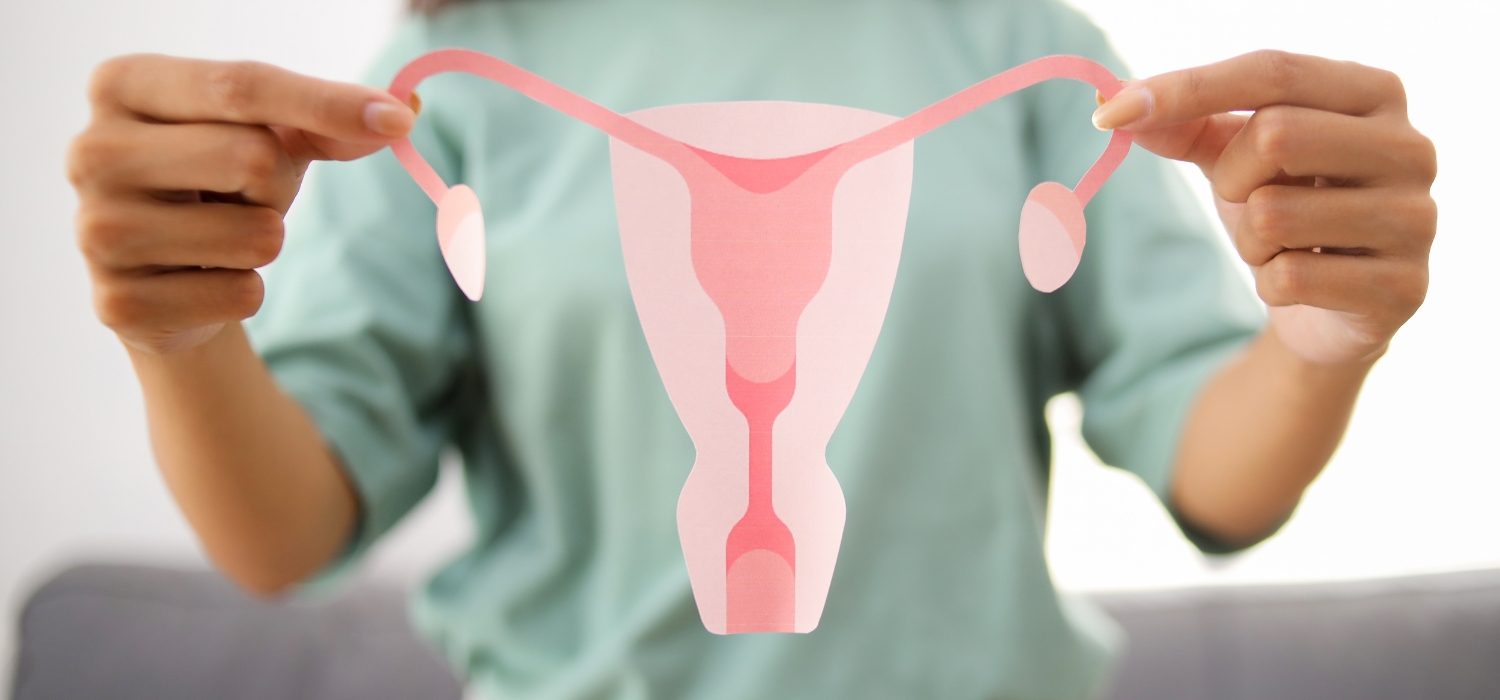
What happens to your uterus as you age?
It’s a very reasonable question, particularly if you’re considering IVF in your 40s or beyond. And the answer is a little more reassuring than you might expect. Your ovaries and your uterus age in different ways, which means your age can affect your eggs very differently from how it affects your ability to carry a pregnancy.
That difference matters when you’re considering donor egg IVF. Using eggs from a younger donor can sidestep much of the age-related decline in egg quality, while your own uterine health and overall wellbeing still matter.
So, what actually happens to your uterus as you get older? And how much does your age matter when donor eggs are involved?
We asked Dr. Madhurima Rajkhowa (Dr. Rima), fertility specialist and expert in donor treatment, to break it down for us, drawing on the expertise of TMTC (The Medical Travel Company), who combine UK-based insight with fertility treatment and aftercare in India, including 24/7 medical support, dedicated concierge services and an in-house chef to help you rest and recover during your stay.
First, what happens to your ovaries as you age?
Ovarian ageing is the main driver of reproductive ageing. You are born with a finite supply of eggs, and both their number and genetic quality change as you get older.
The change in egg quality is particularly important when it comes to IVF. As eggs age, they become increasingly likely to have the wrong number of chromosomes. This is known as aneuploidy, and it can affect embryo development and the likelihood of successful implantation.
How does age affect IVF success with your own eggs?
The success of IVF using your own eggs generally declines as you get older, largely because of changes in egg quality.
Live birth rates per IVF cycle are highest in younger age groups, often around 40–50% or more for people under 35, depending on the clinic, treatment and individual circumstances.
By around 38–40, live birth rates using your own eggs may be around 15–25%, while they can fall below 10% after 42. Exact figures vary considerably between clinics and individuals, so national and clinic-specific statistics should always be discussed with your fertility specialist.
Estimated chromosomal abnormality rates increase substantially with age. Why does this matter? The higher the chance of chromosomal abnormalities in an egg, the fewer embryos may be suitable for transfer. This is one of the main reasons IVF success using your own eggs falls so sharply with age.
As a result, older patients may produce fewer embryos suitable for transfer from each egg collection and may need multiple retrieval cycles to obtain a single euploid embryo – meaning an embryo with the expected number of chromosomes.
Preimplantation genetic testing for aneuploidy (PGT-A) may be considered in some circumstances. PGT-A doesn’t reverse ovarian ageing, but it does check embryos for chromosome abnormalities before embryo transfer and may help your doctor choose the embryos with the expected number of chromosomes.
So, does your uterus age too?
Yes, your uterus does undergo age-related changes, but these are different from ovarian ageing.
While the uterus can absolutely carry a pregnancy into later life, ageing can affect:
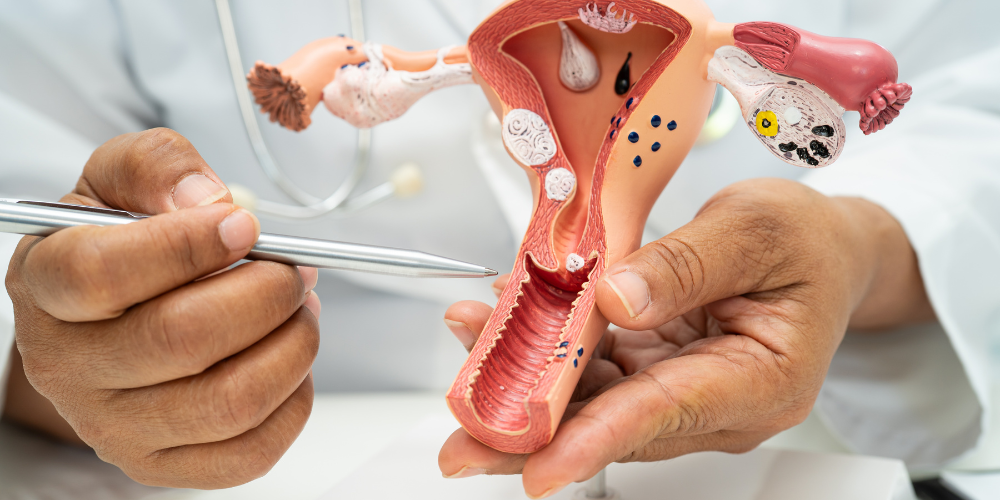
- The structure of the uterus. Fibroids, endometrial polyps and adenomyosis become more common with increasing age, and these conditions can sometimes affect the uterine cavity or the environment where an embryo needs to implant.
- The endometrium, or lining of the uterus. On an ultrasound, a healthy lining often has a distinctive three-line appearance, known as a trilaminar pattern, which is considered a useful sign when assessing the uterus for embryo transfer.
These factors can both affect uterine receptivity, aka. how well the lining of the uterus is able to support an embryo as it attaches.
Does donor egg IVF change the picture?
Donor egg IVF can make a significant difference. Because the eggs typically come from a younger donor, often under 35, much of the age-related decline in egg quality is removed from the IVF equation.
The embryo’s chromosomal potential is therefore primarily influenced by the age and quality of the donor egg, rather than the age of the person receiving the embryo.
Donor egg success rates can remain around 50–55% per embryo transfer from the recipient’s 20s through their late 30s, although rates vary according to the treatment, clinic, embryo quality and individual circumstances.
The important point is the shape of the curve here. Success with donor eggs tends to decline much more gradually with age than IVF using your own eggs, particularly through the 40s.
Can donor eggs overcome the effects of age?
Donor eggs address one of the biggest age-related factors in IVF: egg quality. However, they do not completely remove the effects of getting older.
Research into donor egg cycles has helped researchers separate the effects of egg age from those associated with the age of the person carrying the pregnancy. Once egg quality is largely removed from the equation, a gradual decline in clinical pregnancy and live birth rates becomes more apparent at older recipient ages, particularly from around the mid-40s onwards.
This may reflect several factors, including:
- uterine receptivity
- blood flow
- changes to the structure of the uterus
- overall health – conditions including high blood pressure and diabetes also become more common with age, and can increase pregnancy-related risks.
Research has identified a really noticeable change around the age of 49, with clinical pregnancy and live birth rates declining and miscarriage rates increasing. This doesn’t mean donor egg IVF is unsuitable for everyone at this older age, it just highlights the importance of thorough medical assessment and individualised care.
What about paternal age in donor egg IVF?
Whilst donor eggs can remove much of the impact of egg ageing, paternal age can still influence how embryos develop and the chances of success.
Research suggests that paternal age over 45 may be associated with:
- Lower blastocyst development: a blastocyst is an embryo that has developed to the stage where it can be considered for transfer or freezing.
- Lower pregnancy rates: this effect has been observed in donor egg IVF cycles, even when younger donor eggs are used.
- Changes in embryo quality: advancing paternal age can still influence embryo development, so using younger donor eggs doesn’t remove every age-related factor.
For couples, looking at both partners’ ages and reproductive health will give your fertility specialist a more complete picture of your treatment options.
Considering your next steps?
The key takeaway is that your uterus does age, but it ages differently from your ovaries.
Ovarian ageing has a major impact on fertility, while uterine ageing and overall health become increasingly important considerations as you get older.
For anyone considering donor egg IVF, especially later in life, an individual assessment to get your full fertility baseline down is much more useful than focusing on age alone.
This is also exactly where TMTC can help. Their approach brings together UK-based fertility support with trusted treatment partners in India, giving you guidance on both sides of the journey. From 24/7 medical assistance and dedicated concierge support to help with travel arrangements, the team takes care of the practical details around your treatment, too.
If you’re thinking about IVF with donor eggs, and are looking beyond the UK, head to TMTC’s website to explore their fertility services and book a free call with a UK fertility doctor to talk through whether treatment in India could be right for you.
Want to hear more from The Medical Travel Company? Read this next: From donor eggs to shorter wait times, could India offer a different path to parenthood? Here’s what two doctors want you to know
Plus, on the pod, with Dr. Rima: Mini-series ep. 1: Closing the gap – South-Asian egg donor shortages in the UK, and overcoming barriers to treatment