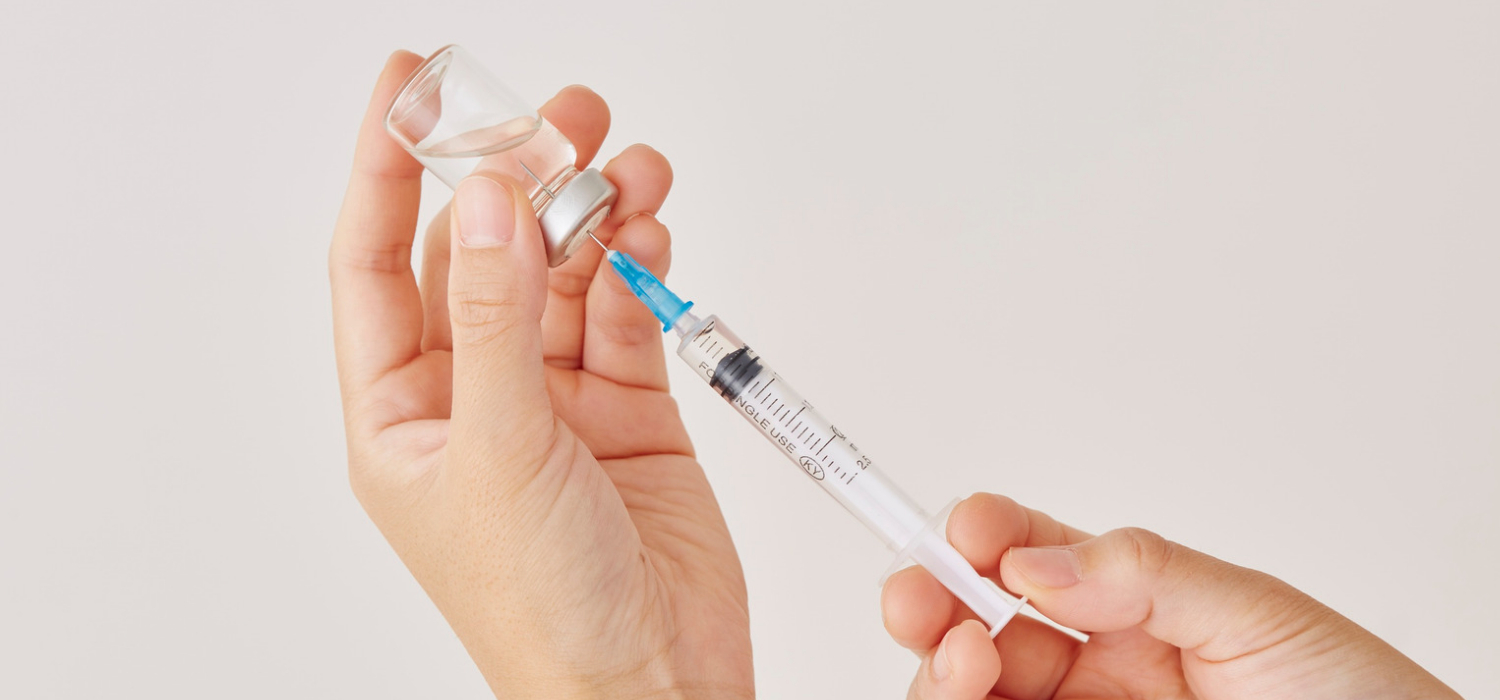

The power of regenerative medicine for fertility treatment – an expert Q&A

More and more clinics are offering regenerative medicine for fertility treatment – this is why
Regenerative medicine for fertility treatment is a new and groundbreaking approach that is redefining journeys to parenthood.
We chat with Dr. Manuel Izquierdo, Consultant Gynaecologist, Fertility Specialist and Medical Quality Director from IVF Life in Spain, for the full breakdown of how regenerative medicine can support your fertility journey.
Together, we cover:
- What is ovarian regenerative therapy?
- Who should be looking into regenerative medicine?
- The difference between PRGF and PRP
- And so much more
Looking to learn more? Speak directly to the experts at IVF Life by booking a free personalised consultation today.
Transcript
Eloise Edington
Hello and welcome to those joining today. I have the pleasure of speaking with Dr. Manuel Iso, a medical director at IVF Life in Spain.
We’re going to discuss ovarian rejuvenation and how regenerative medicine can support fertility treatment. IVF Life is superb at helping people with more complex cases, and Dr. Iso will be sharing his expertise and answering your questions.
Please feel free to ask away, and thank you to those who sent in questions in advance.
Dr. Manuel Iso
Hello, good afternoon!
Eloise
Good afternoon. Nice to meet you. It’s lovely to see you again. I’ve just given you a brief introduction and an introduction to IVF Life in Spain. Could you tell us a little more about your role, the clinic, and the complex cases you see at IVF Life?
Dr. Manuel Iso
Thank you once again for allowing me to meet you. My name is Dr. Manuel Iso, and I’m a gynecologist with over 25 years working in the fertility field, assisting patients and helping them to get pregnant.
I’ve worked in many fertility clinics in Spain, mostly treating patients from abroad who are interested in new advances in fertility treatments, technologies, and approaches.
I have a lot of experience in this area, based in Madrid, and I serve as the medical quality director for IVF Life Spain Group. This means I’m in close contact with colleagues from other clinics in Spain and worldwide.
Eloise Edington
Fantastic. It’s wonderful to have you with us today, so thank you for your time. I was explaining that at IVF Life, you support patients who may have more complex cases.
We’ll be discussing how regenerative medicine can support fertility treatment. First, could you tell us about ovarian regenerative therapy?
Dr. Manuel Iso
One of the most recent advances in fertility treatment is aimed at improving ovarian response in cases of low ovarian reserve. Many cases we see from abroad involve patients with previous treatments and concerns about the number of eggs they can produce.
The most recent approach here in Spain involves offering these patients PRP, or platelet-rich plasma. PRP has various names but essentially involves retrieving growth factors from the patient’s own blood, primarily from platelets.
The goal is to promote the awakening of dormant follicles within the ovary to increase egg production during stimulation. We use the patient’s own blood, not any external product, which makes it very safe.
In Spain and across Europe, PRP is regulated as a medical treatment, so we follow strict guidelines similar to prescribing hormones. The procedure involves retrieving a blood sample from the patient, filtering it, and injecting it directly into the ovaries through ultrasound guidance.
This is similar to an egg retrieval but in reverse. The procedure is quick, taking about 5 to 10 minutes, and is performed under light sedation, making it painless.
We then monitor ovarian reserve markers, including anti-Müllerian hormone levels and antral follicle count, for up to three months after the injection to assess efficacy.
Our experience and published studies indicate that approximately 50-70% of selected patients see an improvement in these markers.
Eloise Edington
What kind of age group is this treatment most useful for, and what specific cases would you recommend it for? For example, would you suggest this for recurrent miscarriage?
Dr. Manuel Iso
PRP is not only applied to the ovaries but can also be used in the endometrium, particularly for thin endometrium, recurrent miscarriage, and recurrent implantation failure.
When we apply PRP to the endometrium, we infuse it directly rather than injecting it into the ovaries. This approach has shown promising results, particularly in cases of recurrent miscarriage and thin endometrium.
In July at the European Reproductive Society meeting in Copenhagen, Dr. Bodri from our group presented our experience with PRP in cases of thin endometrium and recurrent implantation failure, showing a significant improvement in ongoing pregnancy rates.
Patients who have tried other treatments with limited success may benefit from PRP as an additional option. We are hopeful that in the near future, we’ll be able to clearly identify which patients are the best candidates for this approach.
Eloise Edington
Do you find patients travel from overseas, including from the UK, for this treatment?
Dr. Manuel Iso
Yes, we see a significant interest from international patients, including those from the United States and the UK. Many seek PRP in the context of IVF attempts. Patients travel to us for this and other advanced treatments.
Eloise Edington
How long has this treatment been available?
Dr. Manuel Iso
We’ve been performing PRP in our group for about three years and using a commercial kit for over a year. Though it’s relatively new, we’ve gained substantial experience as both local and international patients request it.
Eloise Edington
You’ve discussed PRP. What is PRGF, and what’s the difference between this and PRP?
Dr. Manuel Iso
PRP, PRGF, and PRF are all regenerative treatments based on growth factors. PRP and PRGF are quite similar, with PRGF focusing on additional growth factors present in plasma.
The PRGF kit we use here includes fibrin, which aids in adhering to tissues. All three are based on extracting growth factors, mainly from platelets, to stimulate ovarian and endometrial response.
Eloise Edington
Do most patients ask about this treatment, or do you recommend it based on their cases?
Dr. Manuel Iso
Many patients come to us specifically for PRP after hearing about it. In some cases, we suggest it as an option, particularly if the case aligns with PRP’s potential benefits.
However, today, most of the time, patients come in already aware of it and asking for it.
Eloise Edington
If anyone wants to learn more about PRP or other regenerative therapies we’ve discussed, they can follow the link in our bio to speak with the IVF Life team, including Dr. Iso, who can provide personalized consultations.
I know you have upcoming free consultations on December 13 and 14. Can you explain how these events work?
Dr. Manuel Iso
These events are an opportunity for patients to connect with our clinics without commitment.
It’s a casual way to discuss general questions and get our opinion without going into case details.
It’s short, around 20 to 30 minutes, and can be done virtually. If patients wish to have a full consultation afterward, that option is available.
Eloise Edington
How do success rates improve when regenerative medicine is used at IVF Life in Spain?
Dr. Manuel Iso
The limited number of cases prevents us from giving concrete statistics, but preliminary data show that PRP use for thin endometrium increases pregnancy and live birth rates by about 20%.
In ovarian PRP injections, around 50-70% of patients see an improvement in ovarian reserve markers.
However, it’s crucial to remember that while PRP may increase egg quantity, it does not improve egg quality, which is influenced by age.
This treatment is highly personalized, and we work closely with each patient to determine if PRP is a suitable option for them.
Eloise Edington
So if someone has diminished ovarian reserve or low AMH, they could discuss this as a treatment option with you?
Dr. Manuel Iso
Yes, certainly. It’s important to have an open discussion about the limitations and to personalize the approach based on each case.
For instance, PRP would not be suitable for someone in menopause, as it cannot reverse the absence of follicles. We work to provide precision medicine, offering PRP as an option when it’s relevant.
Eloise Edington
Thank you very much, Dr. Manuel Iso. It’s always a pleasure to speak with you. We greatly appreciate your knowledge and expertise.
Dr. Manuel Iso
You’re welcome. It’s a pleasure to share this information with everyone attending. Have a wonderful day from Madrid, Spain.
Eloise Edington
Thank you, Dr. Iso. Thank you to those who joined today, and for anyone watching back, please reach out to IVF Life through the link in our bio for support. Thank you!