
Low ferritin face, and why women shouldn’t need to ‘look unwell’ to be taken seriously

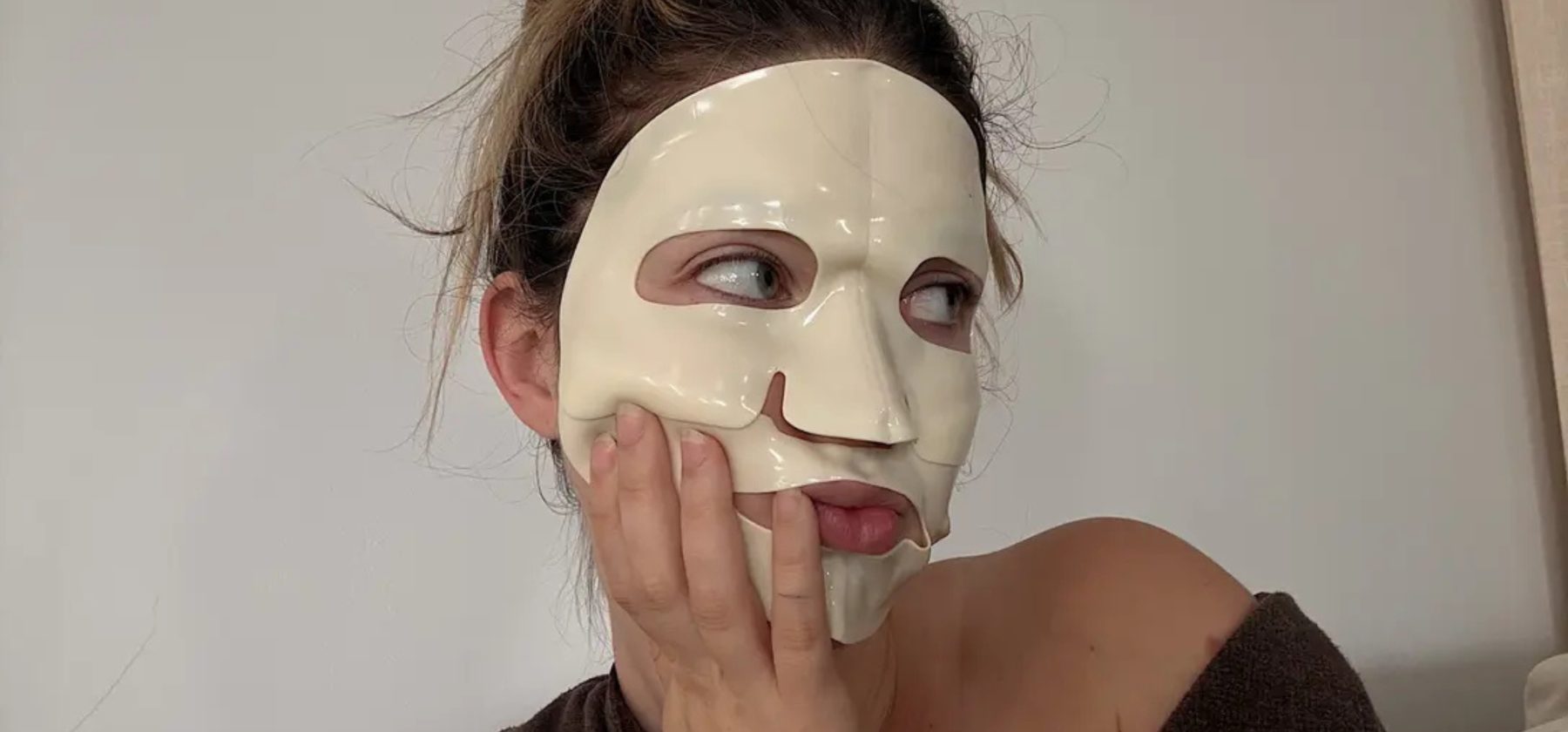
‘Low ferritin face’ is a social media term used to describe facial changes that some people associate with low ferritin levels, including pale-looking skin, dark circles under the eyes and a generally tired appearance.
What low ferritin means: Ferritin measures the iron stored in your body. Levels can be low even when a routine full blood count shows no signs of anaemia.
What you can do: If you're persistently tired, noticing increased hair shedding or simply don't feel like yourself, speak to your GP. Ask whether checking your ferritin levels could be appropriate, even if previous blood tests came back normal. You don't need to wait until symptoms become visible, or that you look a certain way, to seek answers.
Very few things on social media actually capture my attention enough to stop my scroll these days. But the recent explosion of content around ‘low ferritin face’ has admittedly stopped me in my tracks each time a new video pops onto my feed.
‘Ferritin face’ has been doing the rounds on TikTok and Instagram, with women sharing their experiences of low iron stores and the subsequent changes they’ve noticed in their appearance. Searches for ‘ferritin face before and after’ are also on the up, with women comparing photos across Reddit and other forums. Very much not a medical term, though.
At first, I paid attention because, frankly, I felt a bit called out. I absolutely saw myself in these descriptions of thinning hair and sunken under eyes. Then, my wellbeing editor brain kicked in, and it got me thinking back to the ‘cortisol face’ phenomenon that took over TikTok in 2024. Who remembers?
The main thing that consuming all this chatter has left me feeling, is that there’s a wider conversation happening here. Why are so many of us feeling (and apparently thinking we look) absolutely exhausted, looking for answers plus validation of our experiences, and turning to social media to find just that?
Also, with so much of the attention centring on how low ferritin might affect the way we look, shouldn’t feeling persistently exhausted be reason enough to seek answers?
Because yes, it’s easy to put feeling rubbish down to just being a woman with a lot on her plate, whilst feeling self-conscious about what that might look like.
But we really shouldn’t. We should be able to get the right diagnoses and information we need, straight from the experts who can help us.
Let’s unpack.
What is low ferritin face?
‘Low ferritin face’ is a social media term used to describe facial changes that some people associate with low ferritin levels, including pale-looking skin, dark circles under the eyes and a generally tired appearance. It is not a medical diagnosis, or a term used by qualified professionals.
Here’s the sciency bit. Ferritin is a protein that stores iron in your body, releasing it when you need it. A ferritin blood test measures how much iron you have in storage, giving healthcare professionals a better picture of your iron reserves.
Iron is essential for producing haemoglobin, the protein in your red blood cells that carries oxygen around your body. When your iron stores become depleted, you can develop iron deficiency. If this progresses, it can lead to iron-deficiency anaemia.
By the way – you absolutely can have low ferritin without having anaemia. Your iron stores may be running low even when your haemoglobin levels still fall within the normal range.
And that can sometimes do a number on our energy levels, amongst other things.
What causes low ferritin?
There are many reasons why your ferritin levels might drop, and many are linked to the different demands placed on our bodies throughout our lives. Here are just a few of the most common one:
1. Menstruation and heavy periods
Every menstrual cycle obviously involves blood loss, which means losing some iron, too. If you experience heavy periods, those monthly losses can gradually deplete your iron stores.
If you’re regularly feeling exhausted around your period, experiencing heavy bleeding or noticing increased hair shedding, it may be worth asking your GP to check your ferritin levels.
2. Pregnancy and breastfeeding
Your iron requirements increase during pregnancy as your body supports your own needs alongside your developing baby’s. Blood volume increases, and more iron is needed to support the production of red blood cells.
After giving birth, iron levels may also need attention, particularly if you’ve experienced significant blood loss during delivery. Add breastfeeding, disrupted sleep and the general demands of looking after a newborn, and it’s easy to see why looking after your nutritional needs can take a back seat.
3. Diet
Your diet can influence your iron intake, too. Case in point, if you’re vegetarian or vegan, you’ll need to pay a little more attention to getting enough iron from plant-based sources, as the body absorbs iron from animal foods more readily.
Certain digestive conditions can also affect how well your body absorbs nutrients, potentially contributing to iron deficiency. I’ve been tested for coeliac disease during periods of being quite deficient in the past.
Put all of this together, it’s easy to see why iron levels deserve a little more attention throughout different stages of our lives, as women.
When blood tests leave us looking for answers
This is arguably one of the most frustrating parts of the conversation, right. You know you’re not feeling (or maybe looking) like yourself, you book the appointment, have your blood tests and then hear that everything looks normal. So, where does that leave you and your symptoms?
A routine full blood count (FBC) checks for anaemia, but doesn’t directly measure your body’s iron stores.
A separate ferritin blood test can help identify low iron stores, even when your haemoglobin levels are still within the normal range, especially if you’re experiencing certain symptoms.
Does low ferritin cause hair loss or hair thinning?
The answer is, maybe. Low ferritin has been associated with increased hair loss, though studies here are limited and the evidence is still developing.
Hair loss can have many causes, including thyroid conditions, hormonal changes, stress and nutrient deficiencies.
Can low ferritin cause weight gain?
Probably not. There isn’t strong evidence that low ferritin directly causes weight gain.
This said, iron deficiency can cause fatigue and weakness, which may affect your energy levels and everyday activity. If you’re experiencing persistent tiredness or unexplained weight changes, speak to your GP about possible causes and whether further investigations, including ferritin level testing, might be appropriate for you.
Could ‘low ferritin face’ actually help us advocate for ourselves?
Okay, you don’t need me to tell you that a little nuance is obviously needed here. TikTok can’t ever, ever diagnose you, and the symptoms of ‘low ferritin face’ can have multiple causes.
But there’s something quite appealing about this trend, and it feels like part of a much bigger shift in how women are talking about their health, sharing experiences and questioning things they might previously have accepted as normal.
Social media has given us a space to compare notes, discover health terminology and hear from others who’ve experienced similar symptoms. Sometimes, seeing someone describe exactly how you’ve been feeling can be the nudge you need to look into it yourself.
We’re also seeing more conversations around understanding blood results, asking for specific tests and feeling confident enough to go back to a healthcare professional when the first answer doesn’t quite add up.
This said, there’s another side to this, too, I think. We should be mindful of how easily women’s health conversations become tied to our appearance.
Hair loss, dark circles and changes to our skin can understandably prompt concern, but the focus on looking healthier can risk overshadowing how we’re actually feeling.
And really, you shouldn’t need a visible symptom, or a change in how you look, to have your concerns taken seriously.
My takeaway?
For me, ‘ferritin face’ has helped reveal just how readily we can become accustomed to running on empty. But here’s what I’d really like to take from this conversation. You shouldn’t have to look unwell to be taken seriously.
You don’t need dark circles, noticeable hair loss or a particularly convincing before-and-after photo to justify asking questions about your health.
If this convo has prompted to get those symptoms checked, or learn more, here are a few places I’d start.
Add to your read, scroll & save list…
- NHS: Iron deficiency anaemia – An always-trusted overview of common symptoms, causes, diagnosis and treatment.
- Guidelines for managing iron deficiency anaemia, via the British Society of Gastroenterology, for a deeper, more clinical look at iron deficiency and ferritin testing
- British Dietetic Association: Iron-rich foods – Advice you’ll actually want to tap into, re: dietary iron sources and supporting iron intake.
- “I’m sick of women not being listened to”: Naga Munchetty on period pain, diagnosis and talking to your GP
- Ibuprofen vs paracetamol for period pain (& what we weren’t told growing up)