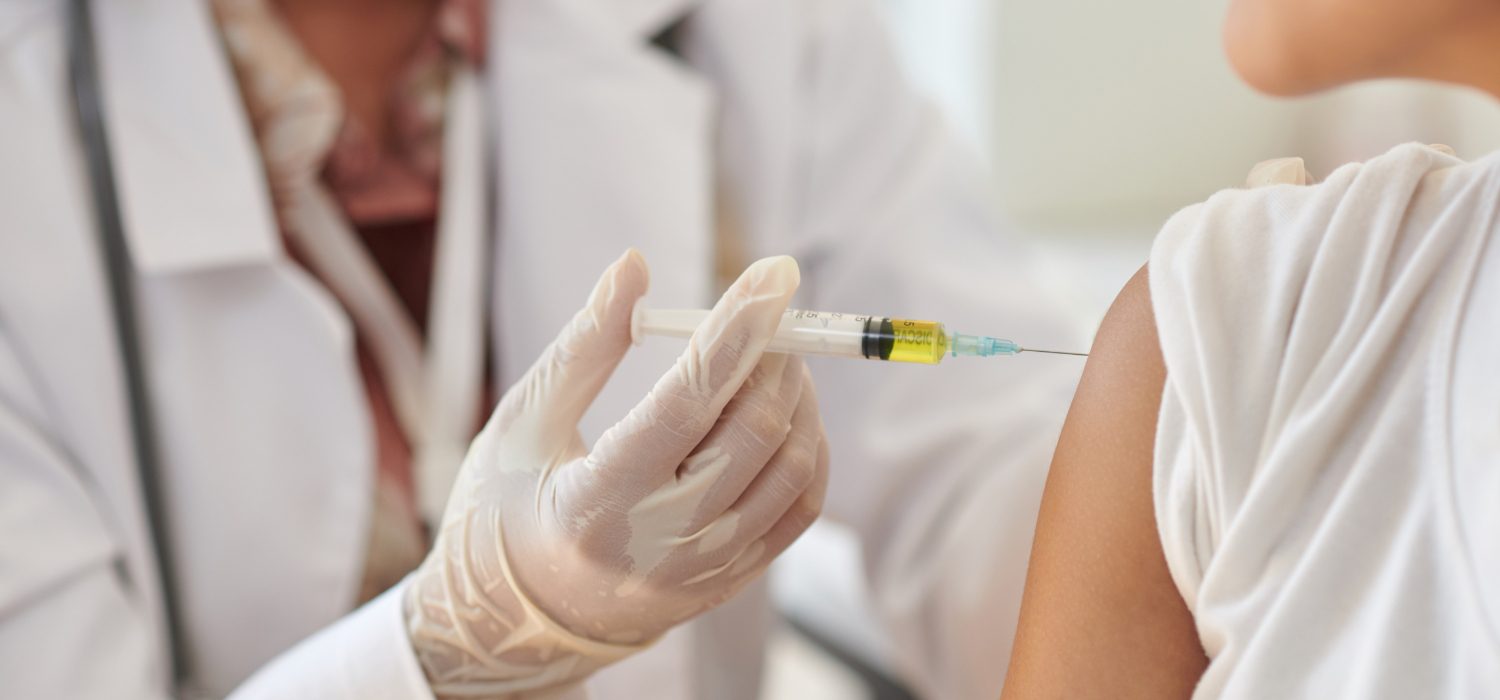

The measles antibody test – everything to know (kids, teens, bumps, babies and you)

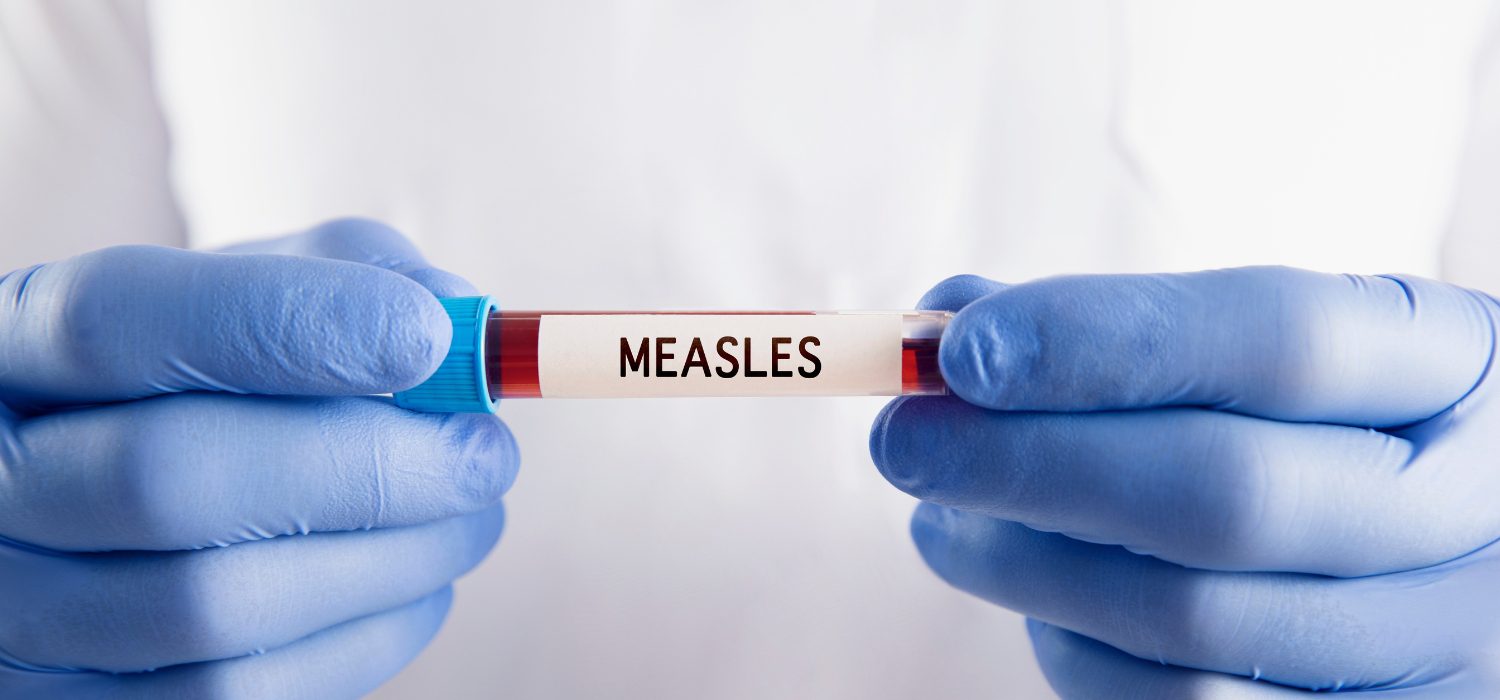
The US has clocked close to 1,000 measles cases in 2026 so far – but one big question in the TRB office this week got us chatting (to our next of kin, mainly!) Have we actually had measles ever? Is it possible to have the antibodies, without knowing it?
My husband, for example, had measles as a toddler, which coincided with getting the vaccine. It was a pretty distressing time for him and my parents-in-law, and he was very unwell – to be honest, there’s zero doubt in their mind that he now has the antibodies. Not that he’s ever been tested – keep reading for why he possibly should be.
What if you’re not quite sure? Given the surge in cases, it’s helpful info to have handy – especially if you’re circling a key life stage – pregnancy, for example – or heading off to camp, college, maybe even further afield.
Is there a blood test for measles antibodies?
Yes, and it’s increasingly popular. Whether you’re pregnant and wondering about your immunity, a student heading off to college or supporting a busy household and unsure who’s had what, the measles antibody test is the definitive way to confirm immunity.
Also known as an MMR titer test (MMR short for measles, mumps and rubella), this blood draw doesn’t check for the virus itself, but rather for the “memory” your immune system has built against it. Keep reading for everything you need to know about testing for yourself and your family.
What exactly is the measles antibody test?
The test looks for IgG antibodies. Think of these as your body’s internal security guards. If you’ve been vaccinated or have previously had the measles, these guards stay on duty for decades.
A “positive” or “reactive” result on an IgG test means you have enough antibodies to be considered immune.
If the result is “negative” or “equivocal,” it means your protection is either non-existent or has waned to a level where you might be at risk.
Note on IgM vs. IgG: If a doctor suspects a current infection (if you or your child has a fever and the classic red rash), they will order an IgM antibody test. IgG is for long-term immunity, IgM is for immediate illness.
Testing for different life stages
The reasons for testing – and the way it’s done – can change depending on the age of the person being tested.
1. For you (the adult)
Most adults born before 1957 are presumed immune because the virus was so widespread then. Case in point, both my mom and her older sister caught measles pretty badly in the fifties. However, for those born later, it can be hard to tell.
- Why test? You might need an MMR titer for a new job (especially in healthcare), for international travel, if you’re planning a pregnancy or to prevent complications if you’re immunocompromised.
- The procedure: A standard blood draw from the vein in your arm.
2. For tweens and teens
This age group is often in high-exposure environments like middle schools, high schools, college, camps and sports teams.
- Why test? Some colleges and boarding schools require proof of immunity rather than just a vaccination date. Additionally, studies have shown that in a small percentage of people, vaccine-induced immunity can wane by the time they hit their late teens.
- The procedure: Teens typically handle a standard blood draw well, though the “sting” is the most common complaint.
3. For kids and toddlers
While the standard schedule is to receive the MMR vaccine at 12-15 months and again at 4-6 years, some parents choose to test for immunity if a child had a reaction to a previous dose, or if they are in a high-risk outbreak area.
- Why test? To confirm the vaccine “took.” In rare cases of “primary vaccine failure,” a child doesn’t develop antibodies after the first dose.
- The procedure: For very young children, some labs can perform a finger stick or heel stick rather than a full arm draw, though a venous sample is often more accurate for a full titer.
4. Fertility, pregnancy and newborns
For your newest family members – from bumps and babies to pre-pregnancy – keep reading for the risk to each group, and why some families decide to test.
- Measles and fertility: While not a common cause of infertility, the high fevers associated with a measles infection can temporarily affect male sperm quality and may disrupt measles and periods in women due to the systemic stress on the body.
- Pregnancy risks: Contracting measles in pregnancy is a serious medical concern and linked to higher rates of miscarriage and premature birth. Since the MMR vaccine is a “live” vaccine and cannot be given during pregnancy, the antibody test is a vital part of “pre-conception” planning.
- Newborn safety: measles in newborns is particularly dangerous because the immune system is still developing. Newborns rely entirely on the antibodies passed from the mother – if the mother’s titer is low, the baby is born with less protection
Can you get measles twice?
A common point of confusion is whether natural infection or vaccination provides a “permanent” shield.
- Can I catch measles twice? Yes, but it’s extremely rare. Once you’ve had the virus, your body typically maintains lifelong immunity.
- Can I get measles if I’ve been vaccinated? It’s possible but unlikely. Two doses of the MMR vaccine are about 97% effective. If a vaccinated person does catch it, the symptoms are usually much milder.
- How can we prevent measles? Beyond the vaccine, the best prevention is “herd immunity.” When enough people in a community have a positive measles antibody test, the virus has nowhere to go.
A measles antibody test typically costs between $49 and $70 – more, if you’re testing for mumps and rubella too.
If you can’t find your old yellow vaccination card, or if you’re worried about measles in teens during an outbreak, a quick blood test can provide lab-grade evidence of immunity required for school, work and peace of mind.
On your reading list: The CDC childhood vaccine schedule is bananas right now – here’s what families need to know