I’m a fertility coach – here’s what’s on my fertility-friendly grocery list right now

Let’s clear this up from the get-go – when it comes to fertility nutrition, there’s no one-size-fits-all approach.
So whether you’re just starting TTC (trying to conceive) or are on your fifth cycle of IVF, putting together a fertility grocery list starts with a foundational, nourishing baseline, and rounds off with tailored support.
For this, we’ve partnered with the brilliant Danielle Cohen, the certified Integrative Fertility and Hormone Health coach behind Danielle Fertility.
Specializing in 1:1 support for natural conception, IVF and FET, IUI, egg freezing, and third-party reproduction, Danielle Fertility offers a knowledge-based and empathy-led approach to improving your family building experiences and outcomes. From text messaging to a full two-month individualized program, Danielle Fertility’s range of services meet you where you’re at.
Now, over to Danielle, to learn about where she starts when building up a fertility friendly grocery list.
A coach’s favorite fertility foods (& the grocery list to save)
Because hormonal imbalances often reflect, or result from, what is happening elsewhere in the body, nourishing your fertility means supporting the same systems that keep you well overall. To name a few, this includes supporting thyroid function, the liver, gallbladder, gut, the immune system, and the nervous system.
And while I love exploring the connection between the nervous system and the hormonal body, I find that one of the most overlooked connections is the one happening between the digestive system and the endocrine system - the network of glands that produce and respond to hormones.
Since the behavior of our hormones is often closely connected to what’s happening in the gut, turning your focus towards healing and nourishing foods is often a good first step.
My approach acknowledges that fertility is deeply nuanced and complex. Our bio-individuality and unique circumstances will mean that our nutrient needs will vary. Even the way we absorb and utilize our nutrients will vary.
I know that shifting habits around food can feel overwhelming – especially when we’re laser focused on the outcome.
My goal as a fertility coach is to help guide you towards the most practical approach and to provide a nourishing framework that creates enough safety in the body to reprioritize reproduction.
The fertility-diet connection, explained
Rather than suggesting a one-size fits all framework, I always seek to understand first what overt symptoms (or hidden factors) might be at play – and which ones need the most tending to.
For example, is thyroid function low? Is there PMOS (Polyendocrine metabolic ovarian syndrome), formerly known as PCOS, blood sugar dysregulation, endometriosis, or other hormonal conditions present? Is toxin exposure high? Is digestion or detoxification sluggish? Are luteal phases short? Are periods painful, clotty, or completely absent? Are there increased nutrient demands due to IVF? Is there ongoing emotional or physical stress? And, so on.
Many of us experience a combination of these all at once. I know I did.
This is why I work with Danielle Fertillity’s functional nutrition advisor, Lauren Steiner (@OsoaNutrition) who can run functional tests to help investigate root causes and flag specific nutrient deficiencies. That way we can better target, balance, and approach nutrient needs on an individual basis.
Understanding this individuality helps us tailor the best fertility foods list for each person.
For example:
- Improving thyroid health may require increasing nutrients like selenium, zinc, magnesium, vitamin A, and B vitamins.
- Those addressing endometriosis and working to improve egg and sperm quality can often benefit from high levels of dietary antioxidants and anti-inflammatory foods.
- PCOS, in some cases, requires taking a close look at blood sugar regulation – as well as increasing the amounts of high quality protein, fiber, and healthy fats.
- Male factor, like low motility, may respond well to amino acids, zinc, vitamin c, antioxidants, folate, B6 and B12, selenium and improved blood sugar regulation.

Start here: The key micros, minerals & macros to know
If you aren’t sure where to start, here’s a quick breakdown of some of the most nutrient dense foods that can support your fertility.
Micronutrients
- Vitamin A: The most bioavailable form of Vitamin A is retinol, found in organ meats like liver and in egg yolks. Retinol supports ovarian follicle development, steroid hormone production, thyroid function, and immune health. Fruits and vegetables contain beta-carotene, a precursor that must be converted to retinol; conversion varies by genetics, gut health, and thyroid status.
- B vitamins: These are often known for their role in converting our food into energy, but the role of B vitamins extends far beyond that. For fertility, B6, B9 (folate), and B12 are especially important. B6 supports hormone balance and nervous system regulation, B12 supports ovulation, thyroid function, and methylation, and folate (B9) supports methylation, egg quality, and so much more. Reach for foods like beef liver, eggs, fish, avocado, sweet potato, mushrooms, and dark leafy greens.
-
Vitamin C: Vitamin C is a key antioxidant that supports collagen production, tissue repair, adrenal function, and immune health. Some research suggests it may support healthy luteal function and progesterone levels in certain women. I like to pair vitamin C with potassium and sodium to support adrenal balance as well. I prepare an “adrenal mocktail” using fresh citrus, coconut water or aloe juice, and a pinch of mineral-rich sea salt.
- Vitamin D: Vitamin D plays a key role in blood sugar regulation, immune balance, ovarian function, menstrual regularity, PCOS, endometriosis, and more. It’s found in fatty fish like salmon and mackerel, egg yolks, and cod liver oil. Functionally, vitamin D acts as a hormone so it’s important to confirm deficiency before supplementing and to monitor levels when using higher doses.
- Vitamin E: Alpha-tocopherol, one of the active forms of Vitamin E, is an antioxidant that protects egg and sperm membranes from oxidative stress. Some of my favorite sources include sunflower seeds, avocado, spinach, asparagus, and extra-virgin olive oil.
- Vitamin K: Vitamin K1 can be found in leafy greens, brussel sprouts, and broccoli. Vitamin K2 is found in fermented foods (natto, certain cheeses), egg yolks, and organ meats like liver. Vitamin K has several roles including supporting insulin sensitivity — which can be highly relevant for fertility.
Minerals and trace elements
Food should always be your first source of minerals. Bone broth, high-quality sea salt, and mineral-rich fruits and veggies all help replenish stores depleted by stress.
- Potassium: From coconut water, beans, root vegetables, and certain fruits and veggies.
- Magnesium: From leafy greens, pumpkin seeds, avocado, and dark chocolate.
- Iron: Best to get this from animal sources where possible, and paired with vitamin C rich foods to boost absorption. Vegetarian sources include beans and leafy greens.
- Zinc: Found in shellfish, beef, and nuts; crucial for hormones and sperm health.
- Selenium: Found in brazil nuts, poultry, and seafood; supports thyroid function, follicle development, and more.
- Iodine: From seaweed, eggs, and seafood. Always check with a healthcare provider before supplementing.
- Molybdenum: Beans, lentils, nuts, liver.
Macronutrients
Every plate should include:
- Quality Protein: For hormone production, cell function, blood sugar regulation and tissue repair (think uterine lining, egg quality, and more).
- Healthy fats: We rely on fats to produce the raw materials for our key hormones!
- Whole-food carbs from fiber rich vegetables and fruits: Veggies support gut health, blood sugar levels, antioxidant needs, detoxification, and much more. The best sources of carbs will come from vegetables and fruits that provide vitamins, minerals, and antioxidants.
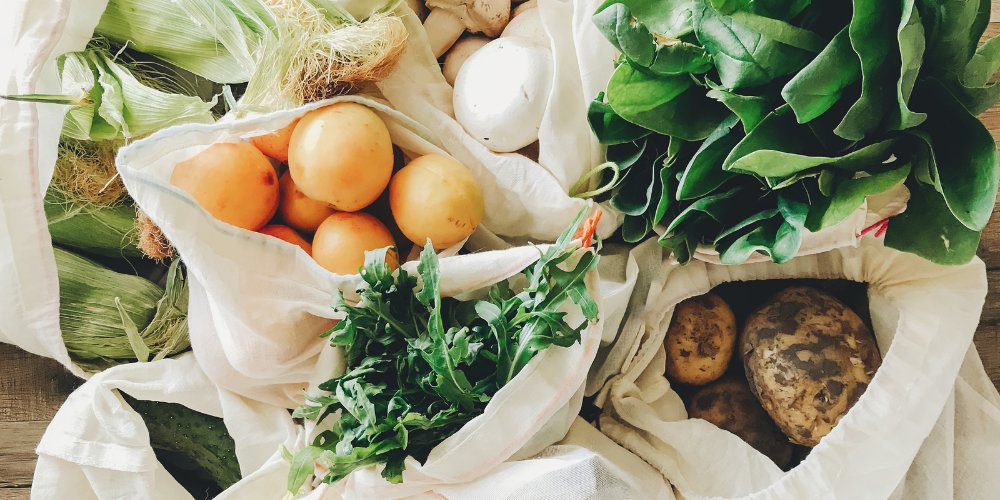
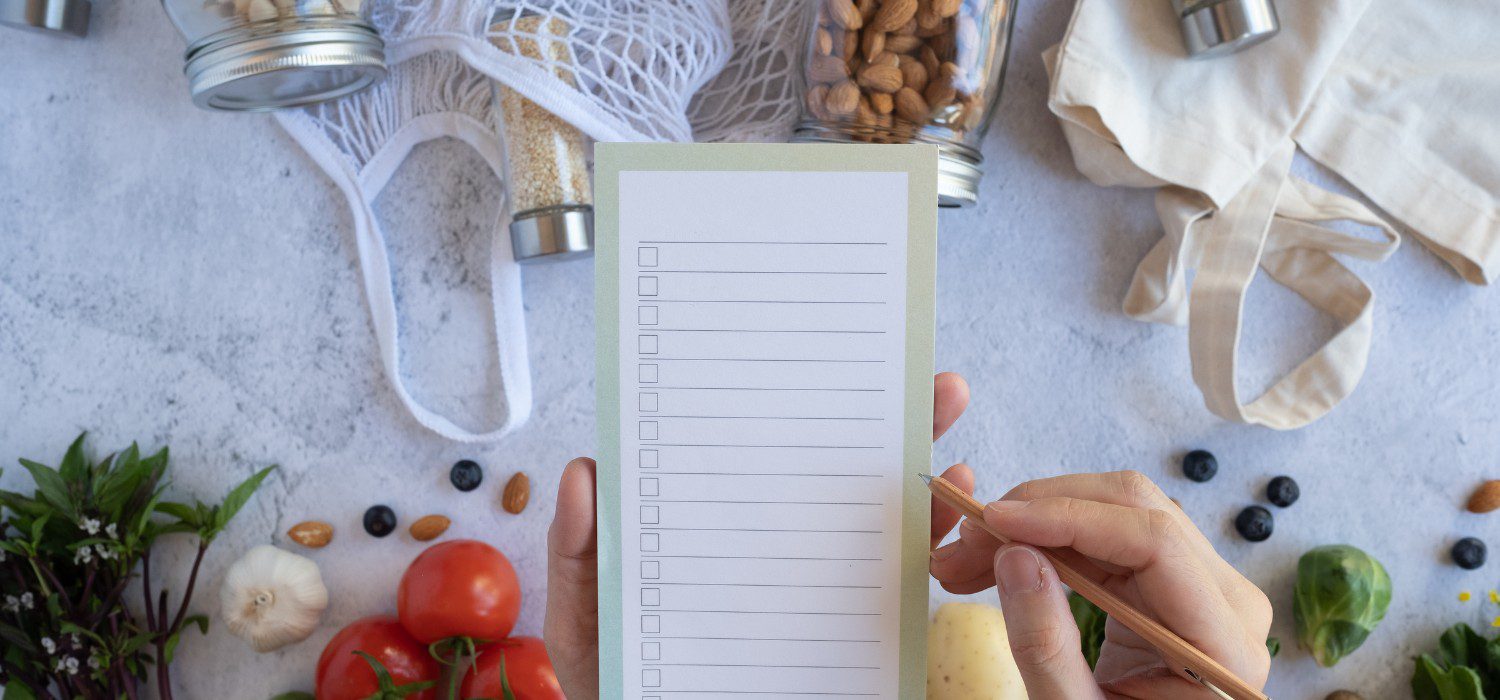
My fertility grocery list
Ready to start shopping? Here’s a practical fertility grocery list you can use to get started, plus some of my top FAQs, answered.
So how does this translate into our grocery list?
1. Colorful, non starchy veggies
- Spinach, kale, arugula, dandelion greens – detoxification, hormone balance, folate.
- Asparagus, zucchini, mushrooms – easy prep and gut support.
- Beets – blood building nutrients.
- Cruciferous vegetables – broccoli, cauliflower, bok choy. I prefer these cooked!
- Low sugar fruits like berries, citrus fruits or local/seasonal ripe fruits – antioxidants, fiber, and thyroid support. My tip? Pair fruits with protein and fat (like nut butter, eggs, avocado or coconut yogurt) to maintain blood sugar balance – and go for organic or local, seasonal produce where possible.
- Avocado for healthy fats.
- Sea vegetables – natural iodine and minerals to support thyroid health.
2. Starchy veggies
My favorites include:
- Sweet potatoes
- Kabocha, butternut, acorn squash
- Green plantains – enjoyed cooked and then cooled.
3. Protein
Animal proteins include:
- Organic and pasture-raised eggs and poultry
- Grass-fed beef and lamb
- Wild-caught fish (salmon, cod, sardines, anchovies, mackerel, herring)
- Oysters
Plant proteins include foods like lentils and beans.
4. Pantry staples
- Olive oil, coconut oil, grass-fed ghee – if dairy is tolerated.
- Bone broth
- Herbs and spices – cinnamon, turmeric, cilantro and basil.
- Sea salt – micro plastic free.
- Herbal teas (I like milk thistle or dandelion tea – especially post IVF retrievals).
5. Other healthy fats
- Brazil nuts
- Olives
- Full-fat dairy (if tolerated) or coconut yogurt.
6. Grains that are generally tolerated
- Organic rice – soak to prepare.
- Sprouted quinoa
This fertility diet list gives you the nutrients your body needs to support healthy hormones, balanced blood sugar, and improved egg and sperm quality.
Fertility diet FAQs
Q: Are frozen or pre-cut produce options okay?
Frozen organic produce can be picked at peak ripeness and are still packed with nutrients. Pre-cut veggies that are fresh, kept cold, and are well sealed can be convenient choices when needed.
Q: Do I need to go for dairy, or can I opt for plant-based alternatives?
For plant-based options, opt for plain coconut yogurt or homemade nut milk blends. My favorite nut milk at the moment is a homemade blend of soaked brazil nuts with cashews, cinnamon, nutmeg and sea salt! If dairy is well tolerated, choose full-fat, grass-fed yogurt or kefir. Goat and sheep dairy can also be great options.
Q: I’m feeling overwhelmed, what are some easy swaps I can start out with?
It’s exciting to see better options becoming more widely available, but the trick is to pay close attention to your ingredients.
- Bread: Choose local sourdough or gluten-free sourdough.
- Crackers: Look for nut, seed, or veggie bases, and be mindful of added oils, fillers or other ingredients. I recently learned to make my own crackers at home which was easier than I expected.
- Pasta: Try rice noodles or kelp noodles.
- Grains: Opt for wild rice, sprouted quinoa or sprouted oats.
Small swaps like these make it easier to stick to a fertility-friendly diet without overhauling everything at once.
The fertility-boosting extras that make my list
- Cinnamon for blood sugar balance.
- Dandelion greens for gentle liver support.
- Bone broth for blood building, electrolyte balance, gut repair, uterine health.
- Grass-fed gelatin for making cycle-supportive gummies.
- A good cooking playlist – because you deserve to find some ease and enjoyment while nourishing your body.
The bottom line?
Building a fertility grocery list can feel overwhelming, but it can also be an invitation to reconnect with your body and learn what it means to really nourish and nurture yourself.
I know that it takes time and patience to find what works for you and how to source your food in a way that feels affordable and accessible. Remember that getting pregnant never requires your perfection – and that applies to diet too. This is as much about respecting and loving your body through every phase of your life cycle– as it is about achieving a desired outcome.
At Danielle Fertility, I can help you understand what your body needs and how to make food choices feel more easeful and sustainable. Together with my in-house dietitian, Lauren at Osoa Nutrition, I can help you create a fertility grocery list and food plan that supports your whole body – and your journey ahead.
Peep Danielle Fertility’s testimonials and connect with her here to find out more about how to get support. You can also learn more about Danielle and her story here.