
Does omega-3 help male fertility? Here’s why he never skips his, despite loving fish

Key takeaways:
Omega-3 matters for sperm health: DHA is an important part of sperm cell membranes, with research linking omega-3 levels with sperm motility and morphology.
Food first, but supplements can help fill the gaps: Aim for at least two portions of fish a week, including one oily fish, while an omega-3 supplement can provide a consistent source of EPA and DHA.
It’s about the bigger fertility picture: From salmon and sardines to plant-based omega-3 sources, we look at what a fertility-friendly week can actually look like, plus Isabelle Obert’s expert advice on dosage, supplements and when targeted support may be useful.
We (my husband and I) eat fish three or four times a week. We cook from scratch most nights, eat plenty of whole foods and generally try to make the kind of choices that make sense when you’re preparing for a baby.
But, while we’re in this season of TTC, there’s one thing my husband never skips: his omega-3. That, and a good male fertility multi. More on those another time.
Omega-3 has long been considered one of the foundational nutrients in fertility nutrition, for men and for women. When it comes to male fertility, omega-3 fatty acids – particularly DHA – have a role to play in sperm structure and function, with research suggesting that supplementation may improve some measures of sperm quality, including motility.
Fitting it all in
You can get a certain amount out of diet alone, but the reality of a busy life – from work commitments to family schedule – means quite often, we simply don’t. It’s why my approach is always to do my absolute best with what we’re cooking and eating, but to work with a supplementation baseline that keeps all the boxes ticked.
So, what does that actually look like in real life? Here’s a week in our house, for a peek at how we cook, eat and get the nutrients in. It’s never perfect, but these three fish recipes are on constant rotation – and trust me, they are absolutely delicious.
(For context, my husband is a natural fish lover, and I am not. I like fish, but it’s hardly my go-to. These dishes, though, have pretty-much converted me – and somehow, we are eating fish the majority of the week.)
Read to the end, for a super-handy Q&A with Isabelle Obert, expert fertility nutritionist with team Zita West Products. See Isabelle in action in this brilliant free webinar covering everything to do when optimising your diet for IVF success.
Looking for the Zita West discount code? TRB readers get 10% off the entire Zita West supplement range (US and UK), with code TRB10* at checkout.
Monday
Monday is usually a reset. The weekend is over, everyone needs feeding and I’m trying to start the week feeling vaguely organised.
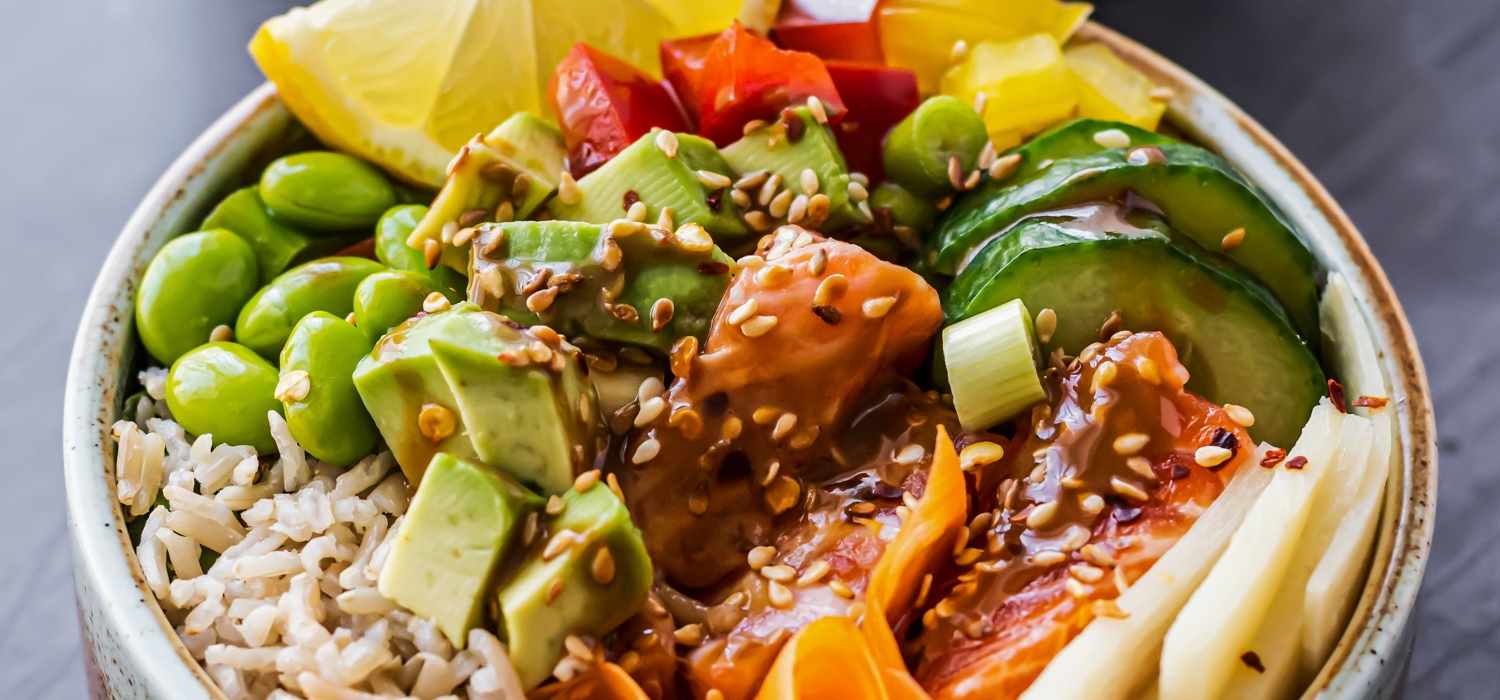
Dinner is Maurice’s teriyaki salmon and rice, one of those meals that feels like proper comfort food but is also doing a lot nutritionally. Salmon is an oily fish, meaning it’s naturally rich in the long-chain omega-3s EPA and DHA.
Teriyaki salmon and rice
Serves 2
- 2 salmon fillets
- 2 tbsp soy sauce
- 1 tbsp honey
- 1 tbsp mirin
- 1 tsp grated ginger
- 1 garlic clove, grated
- 1 tsp sesame oil
- Rice, to serve
Mix the soy, honey, mirin, ginger and garlic together. Pour over the salmon and leave to marinate while you get the rice on.
Heat a little oil in a pan and cook the salmon skin-side down until crisp, then turn and cook through, brushing with the remaining teriyaki sauce as you go.
Serve over rice with greens of choice – I like tenderstem broccoli.
Supplements: My pick – Ultra Omega from Zita West Products alongside the usual routine. Zita West has been our go-to for targeted fertility nutrition across our 10-year journey, particularly when we want to know we’re covering a specific nutritional base rather than relying on food alone.
FYI, Ultra Omega is a whole food omega-3 extract made from herring caviar in Norway, harvested as part of the annual herring catch, so no fish are caught just for their oil. It’s naturally low in heavy metals, so it only needs minimal processing.
Tuesday
No fish today. We might have chicken, vegetables and potatoes, boxed in by the usual busy evening of commute, house reset, errands and life admin.
And that’s exactly why I don’t think of an omega-3 supplement as a replacement for eating well. It’s there to complement the diet, not excuse one that’s routinely lacking.
For men trying to conceive, omega-3 is particularly interesting because DHA is an important structural component of sperm cell membranes. Research has linked higher omega-3 intake and DHA levels with aspects of semen quality, although the evidence is not yet strong enough to say that omega-3 supplements will improve fertility for every man.
Supplements: Ultra Omega.
Wednesday
Tonight it’s Maurice’s grilled sardines with lemon salsa. Sardines are another oily fish and a brilliant option if you’re looking to get more omega-3 through food.
And yes, I know. Sardines aren’t necessarily everyone’s idea of a romantic pre-baby dinner.
But they’re inexpensive, packed with nutrients and incredibly easy to throw on toast, into a salad or alongside roasted vegetables.
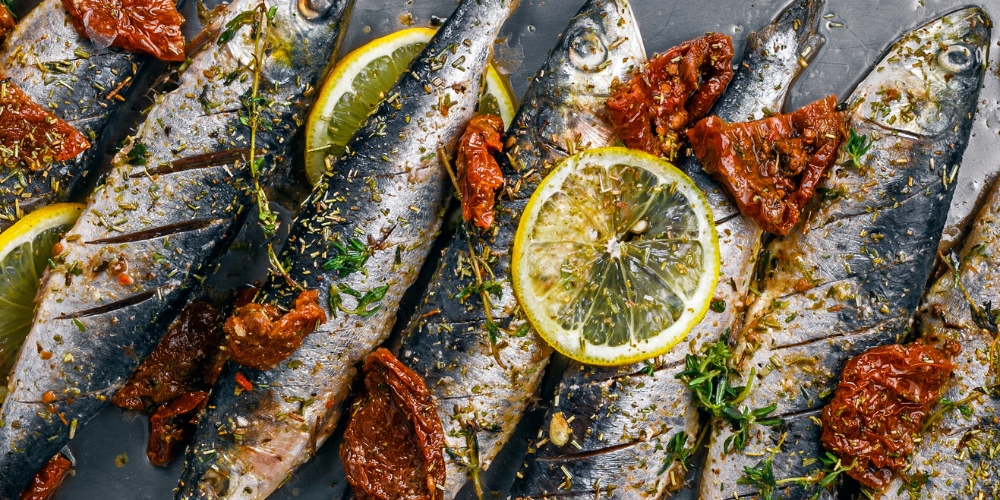
Grilled sardines with lemon salsa
Serves 2
- 6-8 fresh sardines, boned
- 1 lemon
- 1 small handful flat-leaf parsley, chopped
- 1 small handful fresh mint, chopped
- 1 small tomato, finely diced
- ½ small red onion, finely diced
- Extra virgin olive oil
- Salt and freshly ground black pepper
Heat the grill or barbecue until hot.
Mix the tomato, red onion, herbs and the zest and juice of half the lemon with a good glug of olive oil. Season to taste.
Rub the sardines with a little olive oil and season. Grill for a few minutes on each side until the skin is crisp and the flesh is cooked through.
Spoon over the lemon salsa and serve with lemon wedges, perhaps alongside a big green salad, crusty bread or roasted potatoes.
Note: The NHS recommends that adults eat at least two portions of fish a week, including at least one portion of oily fish. A portion is around 140g.
Supplements: Still taking his omega-3. Because even with fish on the menu, we’re not necessarily hitting the same amount of EPA and DHA every single day.
Some weeks we hit our oily fish portions easily, other weeks life gets in the way. Even eating fish frequently, it can be hard to get enough omega-3 from food alone, especially as white fish and tinned tuna don’t count towards it.
Plus, the general guidance is to have around two portions of oily fish a week when you’re planning a pregnancy, as pollutants can build up in fattier fish. The guidance for men is up to four, but they have a preconception period too, and what they eat in the months before trying can affect their health and sperm quality. So it’s worth them being just as mindful of how much oily fish they’re eating.
Thursday
Thursday is usually where the week starts to relax a little, so dinner often reflects this. One of us might be out with friends as the weekend approaches, and we need something reliable, and easy to chuck together as a delicious salad the next day, as leftovers.
This is where Maurice’s sea bass with soy, ginger, chilli, garlic and spring onions comes in. It’s fresh, quick and feels far more impressive than the amount of effort it actually requires. We’ve been refining it for around a decade now, and it’s an absolute winner.
Sea bass isn’t an oily fish in the same way salmon or sardines are, so while it absolutely counts as part of a healthy, varied diet, I wouldn’t rely on white fish alone if your specific goal is increasing dietary EPA and DHA.
Sea bass with soy, ginger, chilli, garlic and spring onions
Serves 2
- 2 or 3 sea bass fillets (depending on appetite!)
- 2 garlic cloves, finely sliced
- 1 thumb-sized piece of ginger, cut into fine matchsticks
- 1 red chilli, finely sliced
- bunch of spring onions, finely sliced
- 2 tbsp soy sauce
- 1 tbsp oil
- Optional: spring onions, cashew nuts (I like roasted for max flavour), thai basil and coriander, to finish
Pat the sea bass dry and season lightly. Heat the cooking oil in a frying pan and cook the fish skin-side down until the skin is crisp and golden. Turn and cook the other side until just cooked through.
Remove the fish and add the garlic, ginger and chilli to the pan for a minute or two. Add the soy sauce and let everything bubble briefly.
Spoon the ginger, garlic and chilli mixture over the fish and finish with plenty of spring onions and a squeeze of lime.
Serve with rice, spring onions, cashew nuts, the fresh herbs and green veggies of choice. We usually go for lettuce, tenderstem broccoli and sliced avocado.
Note: White fish like sea bass, cod and haddock are excellent sources of lean protein but contain much less long-chain omega-3 than oily fish.
Supplements: Ultra Omega.
Friday
Friday is when we might not bother cooking at all.
Maybe it’s something quick, maybe we’re out, maybe there’s wine involved and someone has decided that a fakeaway is an acceptable dinner (we like doing pizza bases with toppings of choice on Fridays, especially).
And this is where the supplement feels like the no-brainer part of the routine.
There’s no need to eat oily fish every single day to have a healthy diet. In fact, more isn’t necessarily better when it comes to oily fish because pollutants can accumulate in fatty fish.
For men, UK guidance allows up to four portions of oily fish a week. For women who are planning a pregnancy, the limit is two portions.
Supplements: Omega-3, rather than trying to cram another portion of oily fish into the week.
Saturday
Saturday is usually our ‘proper’ food day.
This might mean a big shop, something cooked slowly and, if we’re feeling organised, another fish meal – I love a fish pie, especially in the colder months.
Canned fish can absolutely count, too. Canned sardines, salmon and mackerel are convenient, affordable sources of oily fish. Just remember that canned and smoked fish can be higher in salt, so check the label if you’re eating them regularly.
One important exception is tuna. Tinned tuna doesn’t count as oily fish, and it shouldn’t be treated as your omega-3 equivalent. UK guidance limits tuna because of its mercury content – for men, this is no more than four medium cans or two fresh tuna steaks a week. It is a fantastic and super-convenient source of protein, however – if that’s your game.
Supplements: Ultra Omega.
Sunday
Sunday is our ‘get ourselves sorted’ day, usually with an outing or big, long walk involved.
Maybe there’s salmon, maybe there isn’t. The point is that fertility nutrition doesn’t have to mean eating the same three foods on repeat or turning every meal into a fertility project.
It’s about the overall pattern.
And when you’re 40+, inflammation, oxidative stress and age-related changes can become increasingly relevant to reproductive health. That doesn’t mean omega-3 can reverse the effects of age or guarantee better fertility, but it does make getting the basics right – including healthy fats – a sensible part of the bigger picture.
Supplements: Omega-3, ready for another week.
Your big questions, with Isabelle
Isabelle Obert, expert fertility nutritionist with Zita West Products, quick-fires the big questions right now, re omega-3 and male fertility.
Does omega-3 significantly help male fertility and sperm health?
Yes, it’s an important but often overlooked piece of the puzzle. DHA is a key structural component of the sperm cell membrane, and higher DHA levels are linked to better sperm motility and morphology. Omega-3 also has anti-inflammatory properties, and chronic inflammation is one of the recognised contributors to male fertility issues.
Research supports a possible benefit for sperm motility, although studies have varied in their doses, formulations and participants, so it’s important not to present omega-3 as a guaranteed fertility treatment.
How much omega-3 should men take when trying to conceive?
Isabelle recommends 250-500mg of combined EPA and DHA per day as a baseline, with some clinicians using higher amounts where there is a specific fertility concern and under professional guidance.
The timing matters, too. Sperm takes around 74 days to develop, so starting at least three months before trying to conceive is a sensible timeframe if you’re hoping to influence semen quality.
How much fish should you eat each week for fertility?
The general UK guidance is at least two portions of fish a week, with at least one being oily fish. A portion is around 140g.
Oily fish includes salmon, mackerel, sardines, herring, trout and pilchards.
White fish still absolutely counts as part of a healthy diet, but it doesn’t provide the same amount of EPA and DHA.
Can you eat too much oily fish?
Yes. For men, UK guidance allows up to four portions of oily fish a week. For women who are planning a pregnancy, the limit is two portions because of potential pollutant exposure.
This is another reason I like the idea of thinking about omega-3 as part of an overall strategy rather than simply trying to eat more and more fish.
What about canned fish?
Canned sardines, salmon and mackerel are all useful options and count as oily fish.
Tinned tuna is different: it isn’t classed as oily fish and has higher mercury levels, so it shouldn’t be used as your main omega-3 source.
What if you don’t eat fish?
Flaxseed, chia seeds, walnuts and hemp seeds provide ALA, a plant-based form of omega-3.
The catch is that the body converts ALA into EPA and DHA relatively inefficiently. For anyone following a vegan, plant-based or vegetarian diet who wants direct DHA, algae oil is the best bet option, either as a supplement or through DHA-fortified foods.
Editor’s note: TRB Parternships Manager and eight-year vegan Ella has pinged me her go-to omega-3 boosting week night dinner. I’m excited to try this one!
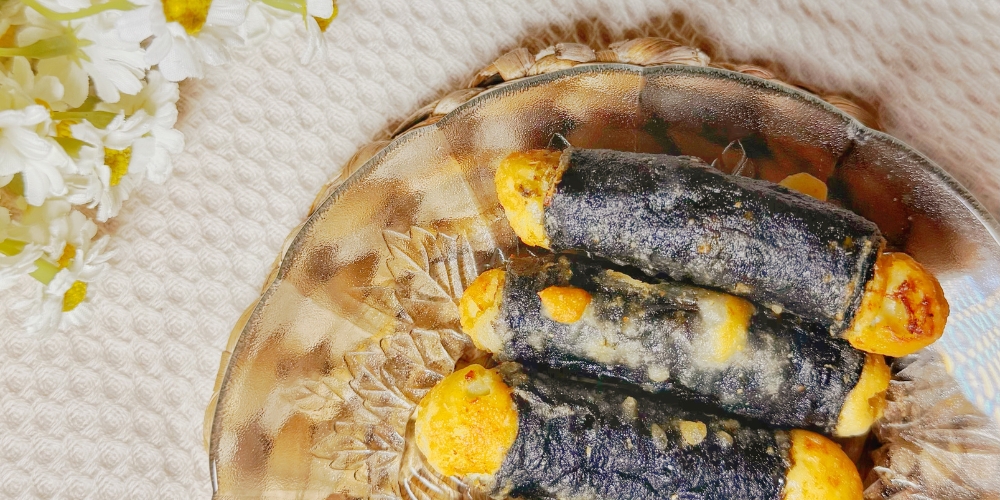
Crispy plant-based ‘tofish’
Serves 2
- 1 block firm tofu, pressed and cut into chunky pieces
- A splash of soy sauce or lemon juice
- 2-3 nori sheets
- 3-4 tbsp plain flour
- A pinch of salt
- A good grind of black pepper
- A pinch of turmeric
- Water or plant-based milk, to make the batter
- A little oil, for frying
Press the tofu well, then cut into chunky pieces and give each one a little splash of soy sauce or lemon juice.
Cut the nori sheets into strips and wrap each piece of tofu, using a little water to help the nori stick.
For the batter, mix the flour, salt, pepper and turmeric together. Gradually add water or plant-based milk, whisking until you have a thick but pourable batter.
Dip each tofu-and-nori piece into the batter, making sure it’s well coated.
Lightly fry in a little oil until golden and crisp all over. You can also grill or air-fry them until crisp.
Serve with lemon wedges, a simple salad or your favourite chips and peas for a very convincing plant-based ‘fish’ dinner.
Omega-3 note: Tofu and nori can be part of a healthy plant-based diet, but they aren’t equivalent to oily fish in terms of EPA and DHA. For a vegan source of direct DHA (and some EPA), algae oil is the plant-based option to look for.
Do male fertility supplements actually work?
Supplements aren’t fertility treatments, and no supplement can guarantee pregnancy. But some nutrients have biological roles in reproductive health, and research into omega-3 has found potential improvements in certain sperm parameters, such as motility.
If you’re trying to conceive, it’s worth checking the full ingredient list and speaking to a qualified fertility nutritionist (get started now and book a free, unbiased 1:1 with myself or fertility nutritionist Raquel Monroy), rather than simply adding another product to the cupboard.
For anyone with an abnormal semen analysis, recurrent fertility problems or a specific sperm concern, it’s also worth getting individual advice rather than relying on supplements alone.
And, for more on specific sperm concerns, see our guide to how to improve sperm morphology and motility.
Ultra Omega or Vital DHA?
Vital DHA provides a triglyceride-form omega-3 with a DHA-dominant profile and supportive EPA, alongside zinc. It’s designed as a foundational option for people who want a straightforward daily omega-3 routine.
Ultra Omega, meanwhile, is a phospholipid omega-3 sourced from herring caviar. It’s positioned as a more targeted option, particularly where inflammation or oxidative stress is part of the fertility picture, including certain fertility challenges or when preparing for IVF. It can also suit people who find standard fish oils repeat on them or leave a fishy aftertaste.
So rather than thinking of one as the “women’s” omega-3 and one as the “men’s”, the distinction is more about foundational versus targeted support.
For us at home, omega-3 has become one of those things that is simply part of the routine.
We still eat the salmon. We still stockpile the tins. We still cook proper food.
But when we’re trying for a baby, I like knowing that we’re not relying on whether Tuesday’s fish was actually oily enough to cover the omega-3 box.
Want to know more? Read our guide to omega-3 and fertility for the latest research and need-to-knows, or take a look at our guide to the best fish for fertility – including a gorgeous salmon with garlic, lemon and butter sauce.
TRB readers can also get 10% off the Zita West Products supplement range in the UK and US with code TRB10 at checkout.
*TRB10 is valid once per customer only. Excludes subscription purchase. This offer cannot be used in conjunction with any other offer. Zita West terms of the site apply.