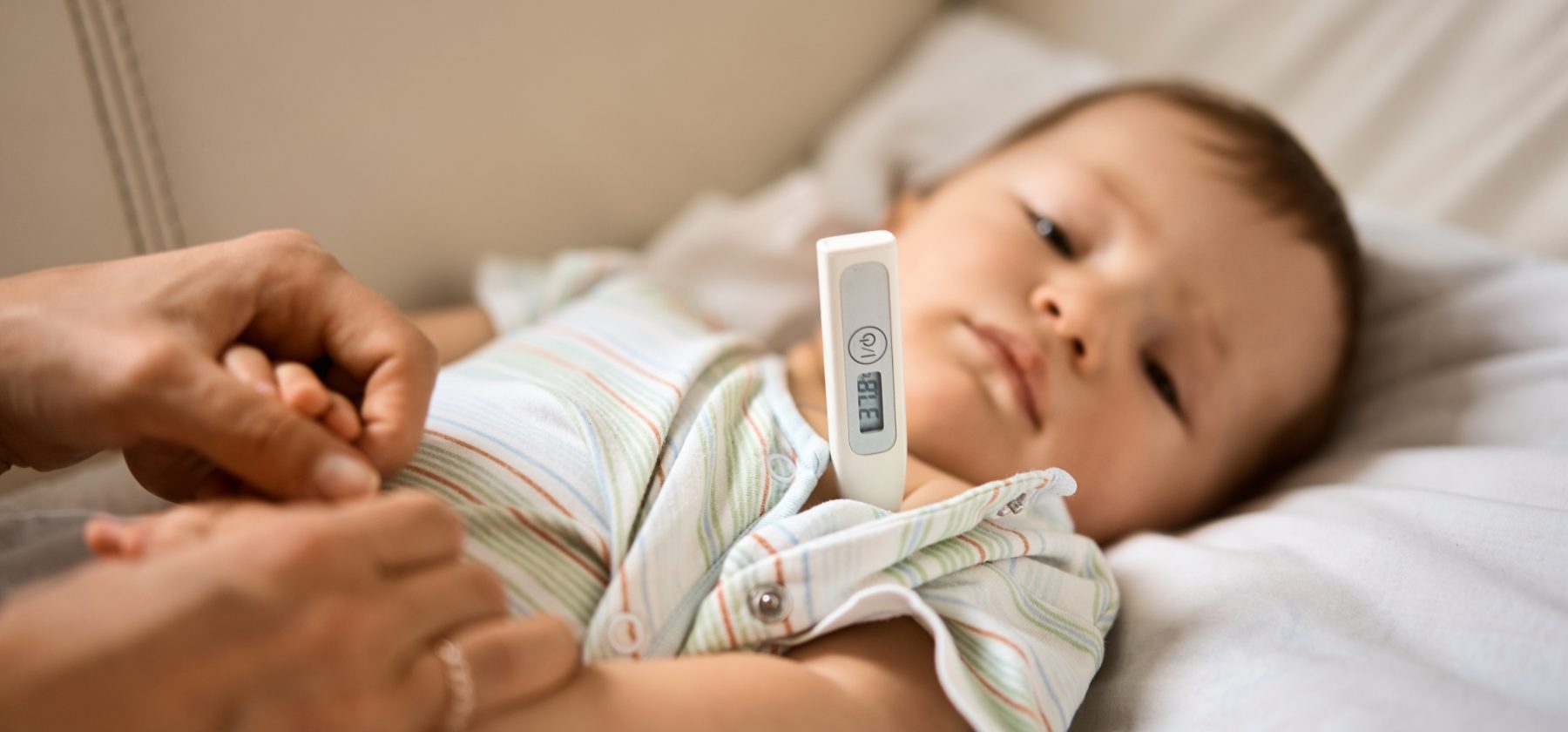

Flu symptoms 2026 – there’s a type A and B, but how long are we contagious?

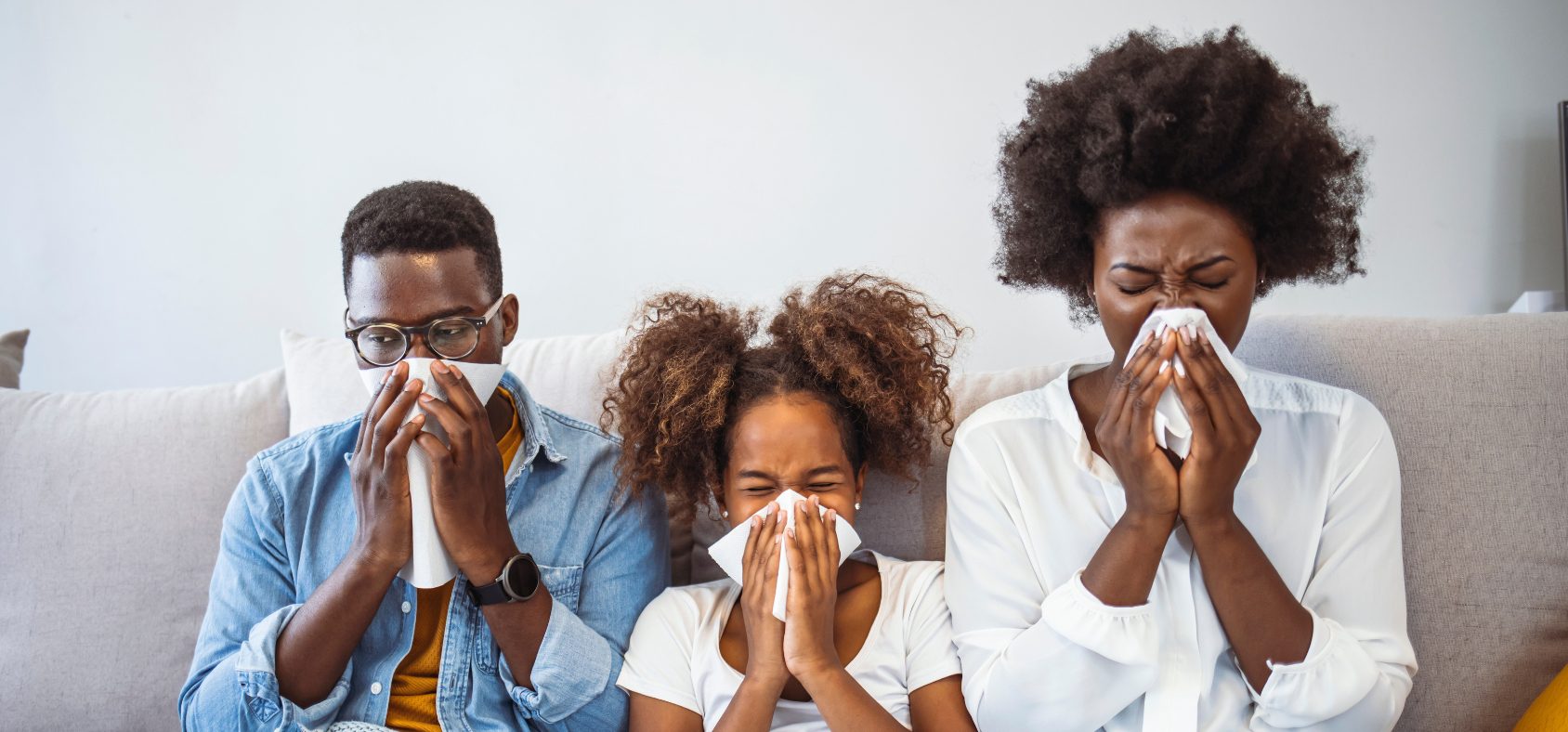
My mother in law (age 72) had horrendous, back-to-back rounds of flu this winter. My husband (age 39) caught it, but I didn’t – neither did our two young kids, thankfully. Because, flu is no joke. It’s so much more than just getting sick, despite being sort of sidelined from public interest mid and post-Covid era (unless you were unlucky and got it anyway).
This year’s season has been notable for high case numbers, intense transmission and a dominant influenza A strain that’s moving fast through schools and households globally.
2026 flu snapshot: symptoms and spread
Influenza symptoms can hit suddenly, often leaving you feeling wiped out almost overnight. Check out the CDC’s dedicated flu hub for more info – typical signs include:
- Fever or feeling feverish
- Cough, sore throat, runny/stuffy nose
- Body aches and headache
- Profound fatigue
- Occasionally vomiting/diarrhea (especially in kids)
New for 2026 is anecdotal reporting of:
- Sustained fevers
- Persistent coughs
This is especially common with the dominant H3N2-subclade K strain, prompting some parents to watch symptoms for five to seven days or more. Scroll this Reddit chat for more.
The flu is highly contagious. Much more so than the common cold, it spreads when infected people cough, sneeze or talk and through contact with contaminated surfaces.
Is the flu contagious? (Yes – here’s the fun timeline)
Super-fun, pin this for a semi-comforting guide to when the household might start seeing light of day.
- 1-4 days after exposure: virus incubates. You can begin spreading it even before symptoms start.
- Day before symptoms: you may already be contagious.
- Days 1-4 days of illness: you’re most contagious.
- Up to 5-7 days after symptoms start: many remain contagious and children or people with weaker immune systems may spread even longer.
Put simply: you’re typically contagious for about a week total, starting before you feel sick and peaking pretty early in the illness.
When am I in the clear?
There’s no specific day in the timeline, so monitor your symptoms. You’re safer around others once:
- Your fever has been gone 24 hours without medication, and
- Other symptoms (especially cough) are substantially improving.
Health experts stress that even after fever resolves, a lingering cough may still spread virus-laden droplets. So maintaining good hygiene remains critical.
Can you get the flu back-to-back?
Yes, which my mother-in-law can sorely attest to.
Immunity from one flu infection isn’t complete protection against another strain, especially in a year with multiple circulating variants (like recently, with different Flu A strains and Flu B). Getting sick again can actually be a new infection rather than a relapse – whether that’s good or bad news, find your people on Reddit and compare symptoms. This chat has it covered.
Which flu is worse: A or B?
Both Influenza A and B cause similar symptoms and both are contagious, but:
- A strains (like H3N2) tend to dominate in severe seasons and mutate faster, often causing more widespread illness.
- B strains usually circulate later in flu season and can hit children hard.
Neither is pleasant, but type A often leads to greater hospitalization rates, especially among older adults.
Actionable tips for parents & families
So what’s a busy mom of two (surrounded by flu-ridden family members, it seems) to do? Here’s my mini tool kit for when the season hits hard.
1. Stay home early (and without apology!)
Keep kids home the moment symptoms appear. Because they can transmit before they feel sick, early isolation helps protect vulnerable friends and family.
2. Use simple hygiene defenses
Frequent hand-washing, respiratory etiquette and regular surface cleaning help break transmission chains.
3. Support immune health
Supplements like vitamin D, zinc and probiotics may support resilience during flu season. (For more on winter wellbeing support, see our winter supplement guide). I also swear by a saline nose spray like Sterimar to keep nasal passages in optimum working order.
4. Return-to-school/work criteria
Only resume activities after 24 hours without fever and once significant improvement in symptoms is seen, even if cough lingers.
5. Build in food as medicine
For kids’ immunity, my go-tos are good old broth (I add a little chicken for extra goodness), brightly-coloured produce on the side (think berries, carrots, bell peppers) and these unreal elderberry gummies from Ali Miller RD’s food as medicine recipe collection.
On your reading list: Sick and breastfeeding? Here’s almost all the advice worth knowing.