Pregnancy with endo: what to know & prep for

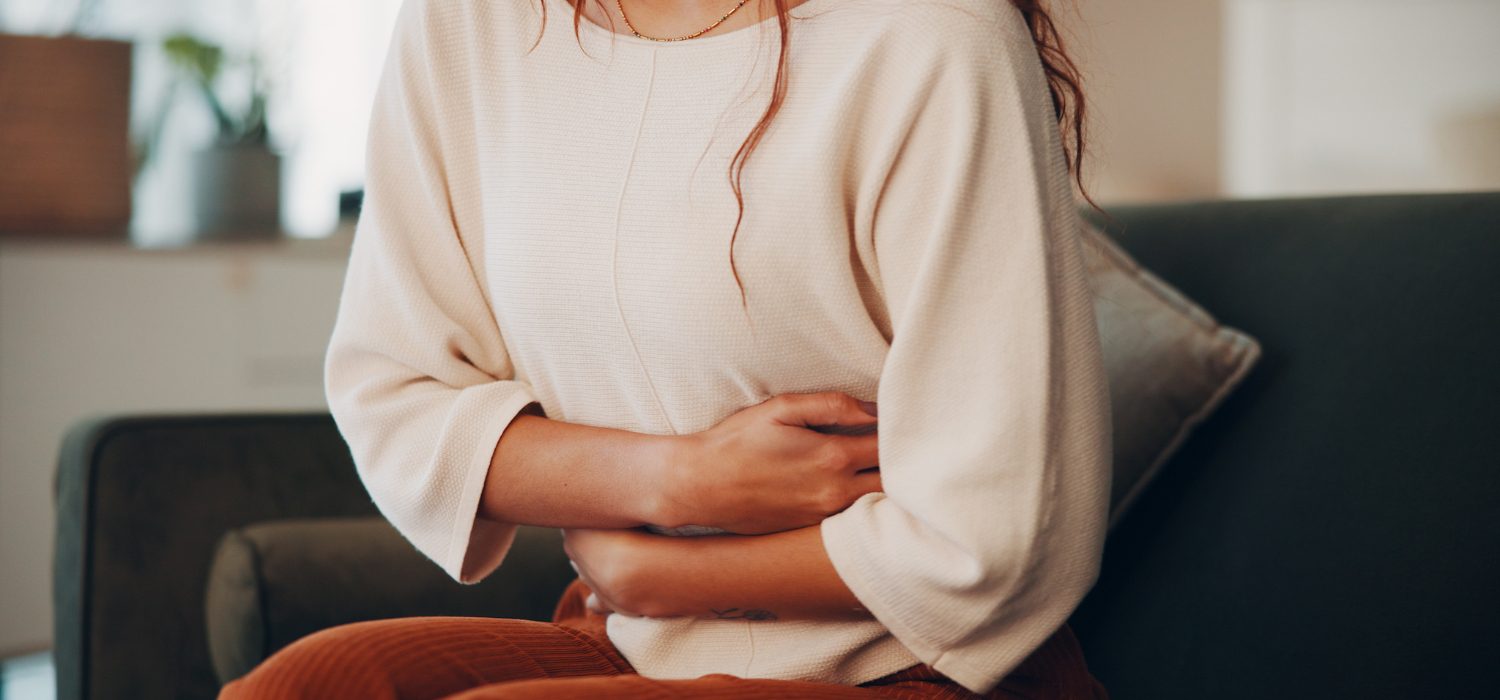
Let’s start by saying, many people with endometriosis go on to have healthy pregnancies and healthy babies. But it’s also true that endometriosis during pregnancy can come with extra questions, monitoring and emotional load.
Whether you’re trying to conceive, newly pregnant, or deep into your second trimester and searching up newly-acquired questions (the ones that occur at 2AM when you just.can’t.sleep – stop and use our pregnancy insomnia 101 to improve your sitch), here’s what to know about endometriosis and pregnancy. From fertility and digging right back into egg quality to symptoms, risks and practical support, it’s all here.
If you have endometriosis and are pregnant (or trying to conceive) , always speak to your OB, midwife, consultant, or fertility specialist if you have concerns about symptoms, pain, bleeding, medication, or your pregnancy, as they can provide personalized advice and reassurance based on your medical history.
What is endometriosis?
Endometriosis is a chronic condition where tissue similar to the lining of the uterus grows outside the womb, often around the ovaries, fallopian tubes, bladder, bowel, or pelvic cavity. It can cause severe pain, heavy periods, fatigue, inflammation, digestive issues and fertility difficulties (amongst other, often less common, symptoms).
According to experts, endometriosis affects around 1 in 10 women and people assigned female at birth during their reproductive years. Yet despite how common it is, diagnosis is often delayed for years.
Here for shared stories? Read more real-life and celebrity experiences in our feature on influencers with endometriosis.
Can you get pregnant with endometriosis?
Yes, absolutely. Many people with endometriosis conceive naturally, while others may need fertility support such as ovulation tracking, surgery, IUI, or IVF.
The impact of endometriosis on fertility varies hugely from person to person. Some people discover they have endometriosis only after getting pregnant, while others face years of infertility before conception.
Research suggests that endometriosis may affect fertility by:
- causing inflammation in the pelvis
- creating scar tissue or adhesions
- affecting the ovaries or fallopian tubes
- altering the environment around the egg and embryo
- impacting implantation
But having endometriosis does not automatically mean you’ll struggle to conceive.
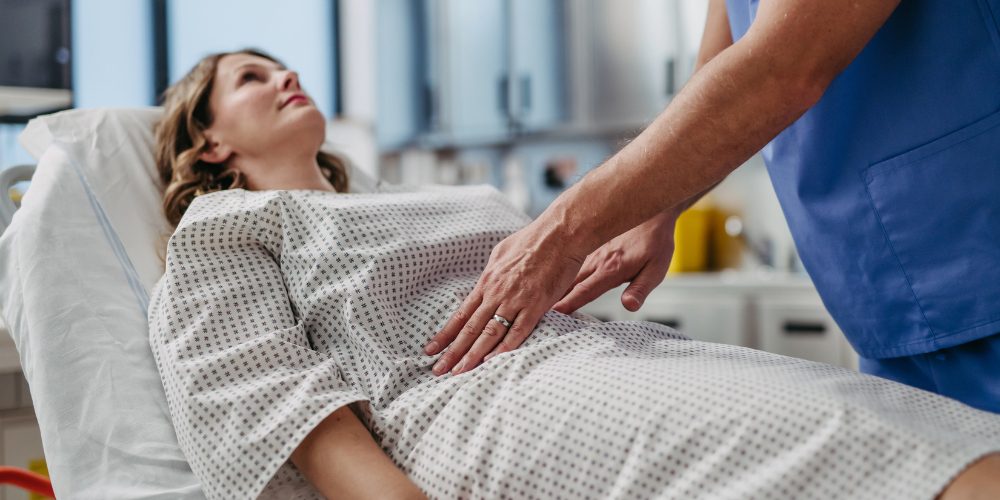
Talking pre-pregnancy, does endometriosis affect egg quality?
This is one of the most searched fertility questions around endo and the answer is: potentially, yes.
Some studies suggest endometriosis, particularly later stage and ovarian endometriomas (“chocolate cysts”), may affect egg quality due to inflammation and oxidative stress within the ovaries. However, it’s incredibly individual, and many people with endometriosis still have excellent egg quality and successful pregnancies.
Age, ovarian reserve, hormone levels, lifestyle factors, sperm quality and overall health also play a major role in egg quality.
If you’re concerned about fertility, speaking with a reproductive specialist can help you understand your personal picture, rather than relying on general statistics online.
How does endometriosis affect pregnancy?
For some people, pregnancy actually improves endometriosis symptoms temporarily due to hormonal changes and the absence of periods. Others continue to experience pelvic pain, bloating, fatigue, bowel symptoms, or discomfort throughout pregnancy.
Some research also suggests people with endometriosis may have a slightly increased risk of certain pregnancy complications, including:
- miscarriage
- ectopic pregnancy
- placenta previa
- preterm birth
- pre-eclampsia
However, many pregnancies remain completely uncomplicated.
It’s important to remember that increased risk does not mean something will happen, but your healthcare team may monitor you more closely.
Endometriosis in pregnancy first trimester
The first trimester can feel especially anxiety-inducing after fertility struggles or chronic pain.
During early pregnancy, people with endometriosis may still experience:
- pelvic pain
- cramping
- bloating
- digestive discomfort
- fatigue
- back pain
Unfortunately, these symptoms can overlap with both normal pregnancy symptoms and endometriosis symptoms, which can make that reassurance factor difficult.
If you experience severe pain, bleeding, dizziness, shoulder pain, or symptoms that concern you, always contact your maternity team promptly.
Many people also find the emotional side of pregnancy after infertility or chronic illness surprisingly intense. You may feel grateful, anxious, disconnected, fearful, or all of the above at once. Whatever you feel, know that it is normal – someone else will identify.
Can endometriosis cause birth defects?
This is a relatively new query and topic within the endo space. A recent study (read the discussion with Inside Precision Medicine) suggested there may be an association between endometriosis and a slightly increased risk of certain birth defects. However, researchers emphasised that the overall risk remains low, and more studies are needed to fully understand the connection.
Importantly, most babies born to people with endometriosis are healthy.
Experts believe multiple factors may influence outcomes, including inflammation, genetics, fertility treatments, underlying health conditions and maternal age, not simply endometriosis alone.
If you’re worried, your obstetrician or midwife can talk you through screening options and any additional monitoring available.
Is endometriosis hereditary?
Research suggests there is likely a genetic component to endometriosis.
If your mother, sister, or close relative has endometriosis, your own likelihood of developing the condition may be higher. Scientists are still investigating the exact genetic and environmental factors involved.
This hereditary link is one reason why awareness matters so much. Earlier recognition of symptoms may help future generations avoid years of dismissal or delayed diagnosis.
Pregnancy-safe wellbeing support
Pregnancy with endo often requires balancing symptom management with pregnancy-safe choices.
Simple areas that may help support overall wellbeing include:
- gentle movement such as walking, stretching, yoga, or swimming
- prioritizing sleep and rest
- managing stress levels
- anti-inflammatory foods where possible
- hydration
- pelvic floor support
- heat packs (used safely and not directly on the bump)
Many people also rethink skincare, supplements and wellness products during pregnancy.
You may find these recent reads helpful:
What about birth and postpartum recovery?
People with endometriosis may be more likely to require a caesarean birth for various reasons, though many also have vaginal deliveries.
After birth, symptoms can vary dramatically. Some people find breastfeeding delays the return of symptoms temporarily, while others notice pain returning, usually once menstrual cycles resume.
It’s also important to be aware of conditions like scar endometriosis after a C-section, where endometrial tissue develops around the surgical scar. Although uncommon, it can cause pain and swelling around the scar site months or years later.
You can read more here: C-section scar endometriosis.
All caught up? Put this on your reading list – Endometriosis, infertility and IVF – Reddit’s top 17 questions, answered.