Getting pregnant with fibroids – tips from a leading fertility specialist (the type you have does matter)
Fibroids are incredibly common, yet they’re also one of the most misunderstood gynaecological conditions when it comes to fertility. If you’ve recently been diagnosed – or suspect you might have fibroids, it’s easy to spiral into confused online hunting. I know because I did, not so long ago.
The reassuring news is that yes, many women with fibroids conceive naturally and go on to have healthy pregnancies. In fact, fibroids affect up to 80% of women by age 50, but only a proportion will experience fertility challenges. That said, the key is understanding which fibroids matter, which don’t so much, and when specialist treatment may help.
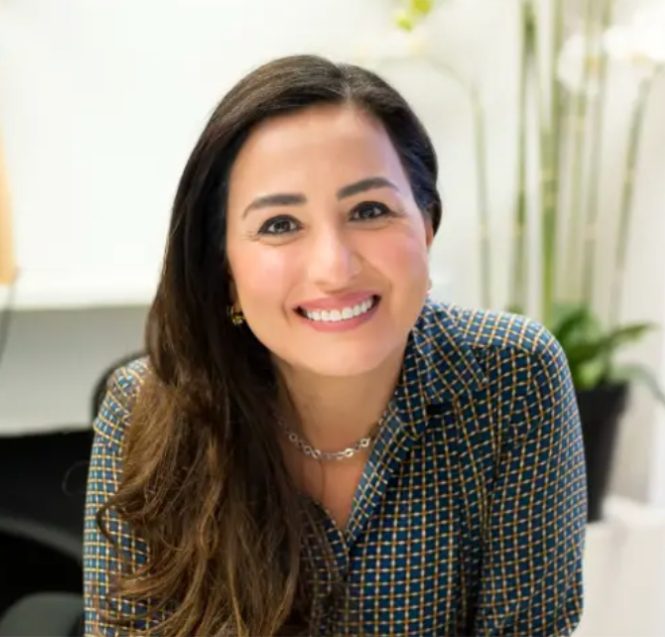
Heading towards the end of Fibroids Awareness Month, we spoke to Miss Shirin Khanjani, Co-Founder and Medical Director at Fitzrovia Fertility, to separate fact from fiction and explain how fertility specialists assess fibroids when pregnancy is the goal.
Need expert support? Located in the heart of London, Fitzrovia Fertility combines cutting-edge reproductive science with a trademark compassionate approach. From fertility assessment and preservation to expertise in recurrent pregnancy loss, endometrial PRP and today’s focus, treatment of fibroids, the team are across it.
Whether you’re trying to conceive naturally, preparing for IVF or simply wondering what your diagnosis means for the future, here’s what you need to know.
Can you get pregnant with fibroids?
In most cases, yes.
Having fibroids doesn’t automatically mean you’ll struggle to conceive. Many people never realise they have fibroids until they’re spotted during a routine scan, pregnancy ultrasound or fertility assessment.
However, some fibroids can interfere with fertility depending on where they grow, how large they become and whether they change the shape of the uterus.
Rather than focusing on the presence of fibroids alone, fertility specialists look at the bigger picture, including:
- your age
- ovarian reserve
- symptoms
- previous pregnancies or miscarriages
- where the fibroids are located
- whether they distort the uterine cavity
- your overall fertility health
That’s why two women with seemingly similar scan results may receive completely different recommendations.
Do different types of fibroids affect fertility in different ways?
According to Miss Khanjani:
“Yes, very much so. Submucosal fibroids, which grow into the cavity of the uterus, have the greatest impact on fertility. They can distort the endometrial cavity, interfere with embryo implantation and increase the risk of miscarriage. These are the fibroids most likely to benefit from removal before fertility treatment.
Intramural fibroids grow within the muscle of the uterus. Historically, there has been considerable debate about whether intramural fibroids that do not distort the uterine cavity affect fertility. More recent evidence suggests that they may have a greater impact than we once thought, particularly if they are large, or grow close to the uterine lining.
A large 2024 systematic review and meta-analysis found that women with intramural fibroids (especially larger than 5 cm) had lower clinical pregnancy and live birth rates compared with women without fibroids, even when the cavity was not distorted. Interestingly, the review also highlighted that removing these fibroids did not consistently improve fertility outcomes, reinforcing that surgery should be carefully individualised rather than routinely recommended.
Subserosal fibroids grow on the outside of the uterus and rarely interfere with implantation or embryo development. Unless they are extremely large, impact your fallopian tube health or cause symptoms, they generally do not require removal before trying to conceive.”
Can I get pregnant with large fibroids?
Many women do, but larger fibroids deserve careful assessment.
Their size may affect blood flow, alter the shape of the uterus or make pregnancy more complicated. Your fertility specialist will consider much more than measurements alone before recommending treatment.
Can I get pregnant with multiple fibroids?
Again, yes.
Some women with multiple fibroids conceive naturally without any difficulty at all. Others may benefit from further investigation if the fibroids collectively change the shape or function of the uterus.
Do fibroids always need treating before trying to conceive?
One of the biggest myths is that every fibroid should be removed before pregnancy.
Miss Khanjani explains why that isn’t the case:
“No. In fact, most fibroids do not require surgery. Treatment depends on symptoms, cavity distortion, previous fertility history, age, ovarian reserve and future reproductive plans.
If a fibroid is significantly distorting the uterine cavity, removing it with a myomectomy can improve the chance of implantation and reduce miscarriage risk. However, surgery is not without risks, including adhesion formation and, in some women, an impact on future fertility.
Recent systematic reviews continue to emphasise that although some intramural fibroids appear to reduce fertility, there is still no high-quality evidence that every woman benefits from myomectomy before IVF. This is why the decision should always be individualised and made by balancing the potential benefits of surgery against the risks of delaying treatment.
Venus Williams’ recent openness about her own fibroid journey has been hugely important in raising awareness. It has helped women realise that heavy bleeding and pelvic symptoms should not simply be accepted as “normal”. At the same time, her experience also reminds us that treatment must be tailored to the individual – what is right for one woman may not be right for another.”
This reflects a growing shift in fertility medicine away from blanket recommendations and towards personalised care.
How do fibroids affect IVF treatment?
Fibroids can influence IVF success, but not every fibroid needs treating first.
Miss Khanjani says:
“It depends entirely on the fibroid and your medical history.
Submucosal fibroids are consistently associated with lower implantation and live birth rates and should usually be treated before IVF.
Large intramural fibroids that distort the uterine cavity are also associated with poorer IVF outcomes. More recently, evidence has suggested that even some smaller, non-cavity-distorting intramural fibroids – particularly those measuring between 2 and 6 cm or lying immediately adjacent to the endometrium (FIGO type 3) – may reduce live birth rates following IVF.
However, whether removing these fibroids improves outcomes remains uncertain, which is why management should be highly individualised.
Many women with small intramural or subserosal fibroids still achieve excellent IVF success without surgery. One of the most important aspects of specialist fertility care is identifying the small group of patients who are likely to benefit from surgery, while avoiding unnecessary procedures in those who are not.”
What about large or multiple fibroids?
It’s natural to worry when a scan report mentions several fibroids or one that’s particularly large. However, fertility specialists don’t make decisions based on size alone.
Miss Khanjani explains:
“Size and number certainly influence management, but they are still only part of the picture.
A large fibroid may alter blood supply, distort the uterine cavity or make embryo transfer technically more difficult. Multiple fibroids can also collectively affect the shape and function of the uterus.
Equally, I’ve looked after women with multiple fibroids who have conceived naturally without difficulty.
Rather than focusing on a single measurement, we assess how the fibroids are affecting the uterus as a whole and whether they’re likely to change the chances of a successful pregnancy.”
When should you seek specialist advice?
If you’ve been trying to conceive without success, don’t assume fibroids are – or aren’t – the cause.
Miss Khanjani advises:
“I’d recommend seeking expert assessment if you have fibroids and have been trying to conceive for 6-12 months, depending on your age, or sooner if you are over 35.
You should also seek advice if you have recurrent miscarriage, heavy menstrual bleeding, pelvic pain, pressure symptoms, repeated failed IVF cycles, or if scans suggest a fibroid may be distorting the uterine cavity.
Women with endometriosis, adenomyosis or previous fibroid surgery particularly benefit from assessment by a specialist with expertise in complex reproductive medicine.
Early assessment can help identify whether fibroids are genuinely affecting fertility or whether another factor deserves attention as a priority.”
How are fibroids assessed during fertility investigations?
Not all scans tell the full story.
A fertility work-up looks beyond simply identifying fibroids to understanding whether they’re actually preventing pregnancy.
Miss Khanjani explains:
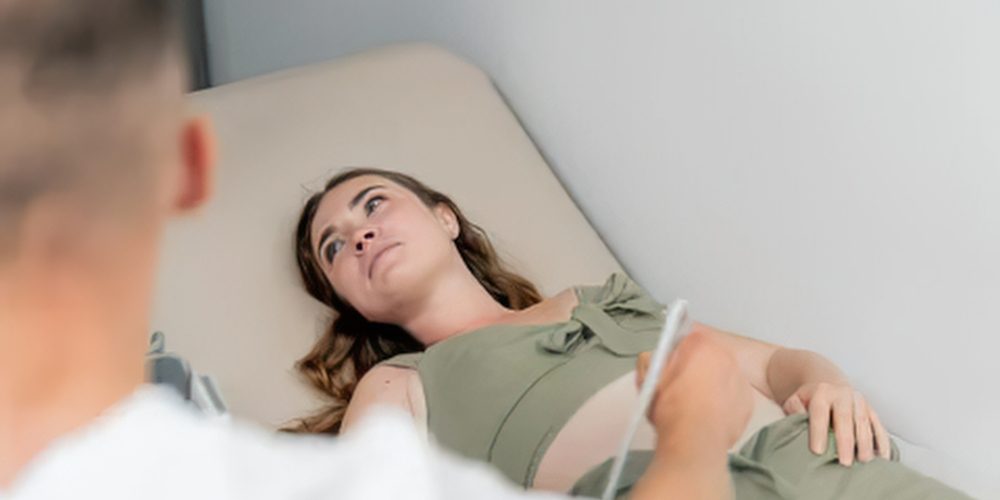
“Assessment starts with a detailed history and a high-quality transvaginal ultrasound.
We assess the size, number and exact location of every fibroid, but most importantly whether the uterine cavity is distorted. Depending on the findings, we may recommend saline infusion ultrasound, three-dimensional ultrasound, MRI or hysteroscopy to better define the anatomy.
Our aim is not simply to diagnose fibroids, but to understand whether they are actually contributing to infertility.
Depending on your age and circumstances, your specialist may also recommend ovarian reserve testing alongside imaging to build a complete picture of your fertility.”
What if fibroids exist alongside endometriosis, adenomyosis or ovarian cysts?
Many women have more than one condition affecting reproductive health, making fertility planning more complex.
Fibroids frequently coexist with endometriosis or adenomyosis, while ovarian cysts – particularly endometriomas – may also influence fertility and treatment decisions.
Miss Khanjani explains:
“This is where fertility treatment becomes highly individualised. Many women have more than one condition contributing to infertility. Fibroids may coexist with endometriosis, adenomyosis or ovarian endometriomas, each affecting fertility in different ways.
Rather than treating each condition in isolation, we look at the overall picture. We consider ovarian reserve, age, symptoms, previous surgery, embryo quality and reproductive goals before deciding whether surgery, IVF or a combination of approaches offers the best chance of success.”
Headlines like those centering on Venus Williams’ fertility story have also highlighted how fibroids and adenomyosis can exist together, with symptoms sometimes overlapping and delaying diagnosis. Heavy periods, pelvic pain and pressure shouldn’t simply be accepted as normal, particularly if pregnancy is part of your future plans.
How might fibroids affect pregnancy itself?
Most women with fibroids go on to have healthy pregnancies.
However, depending on where they are located, fibroids can sometimes increase certain pregnancy risks.
Miss Khanjani says:
“Most women with fibroids have uncomplicated pregnancies.
However, depending on their size and location, fibroids can occasionally increase the risk of pain from degeneration (where the fibroid tissue begins to break down), preterm birth, placental problems, caesarean delivery and postpartum haemorrhage. Fibroids may also affect the baby’s positioning.
Most fibroids are simply monitored with routine obstetric care, and many remain completely uneventful throughout pregnancy.”
Regular antenatal care allows your healthcare team to monitor both the fibroids and your baby’s growth throughout pregnancy.
Miss Khanjani’s top tips
“Firstly, if you’ve been told you have fibroids, don’t panic. Most do not prevent pregnancy.
Have your fibroids properly assessed by someone who understands fertility, rather than relying on the scan report alone.
Finally, don’t lose valuable time. If pregnancy is your goal and conception isn’t happening as expected, particularly over the age of 35, seek specialist advice early so that you have the widest range of options available.
Here are my three key takeaways if you’re trying to conceive with fibroids:
- Understand your fibroids. Size alone doesn’t determine whether treatment is needed – location is often far more important.
- Don’t assume surgery is always the answer. Many women conceive naturally or with IVF without ever needing a myomectomy.
- Seek specialist advice early. The best fertility outcomes come from treating the right patient at the right time, rather than treating every fibroid in the same way. At Fitzrovia Fertility, we believe in tailoring treatment to the individual, balancing the benefits of surgery against the value of preserving time and fertility.
When it comes to getting pregnant with fibroids, it’s rarely the diagnosis itself that tells the whole story. More, it’s understanding how those fibroids fit into your wider fertility picture.
On your reading list
All caught up? Put these on your radar for specific help and support:
- Lupita Nyong’o opens up about living with fibroids – why celebrity stories are helping raise awareness and encourage earlier diagnosis.
- Venus Williams’ fibroids and adenomyosis diagnosis – understanding how multiple gynaecological conditions can coexist and affect quality of life and fertility.
- What is an ovarian reserve test? – understanding egg supply as part of a comprehensive fertility assessment.
- Connect with Miss Khanjani directly at Fitzrovia Fertility – learn more about personalised fertility assessment, IVF and specialist fibroid care.
- The White Dress Project – a leading advocacy organization raising awareness of uterine fibroids and supporting women through education and community.