

Red light therapy while breastfeeding: A complete postpartum guide

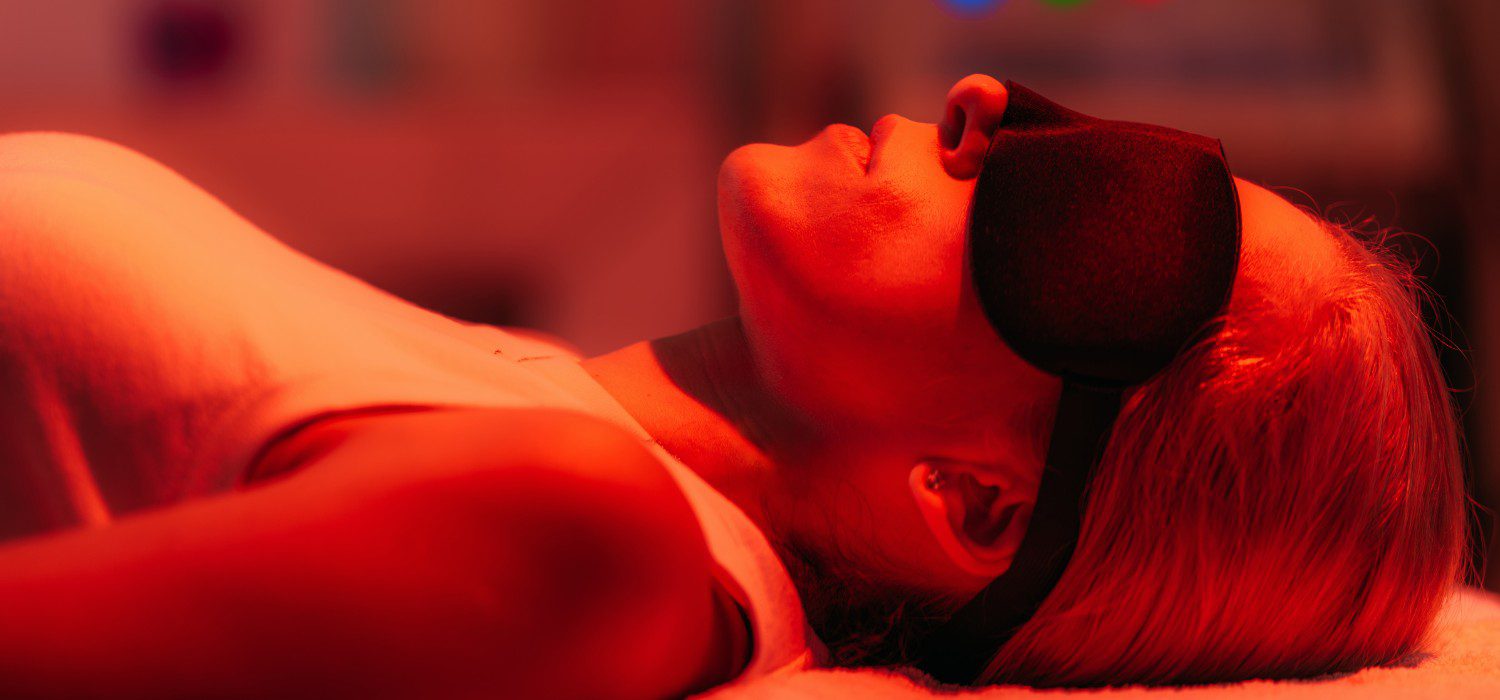
If your feed is like my feed, you’re seeing a whole lot on RLT right now. I haven’t gone for it yet, but knowing what I do about the therapy (anti-inflammatory, healing, and a level up in self care) I can see why it might be of super-high interest in the fourth trimester.
Correct – Red light therapy (RLT) is an increasingly popular tool for postpartum recovery. It’s non-invasive, convenient, and has been praised for helping to reduce inflammation, accelerate healing, improve skin tone and even support mood. For breastfeeding moms, the big question is: Can you use red light therapy safely while nursing? The answer is yes, with some practical precautions and guidelines.
Here’s a complete, actionable red light therapy breastfeeding guide, designed to help you use RLT safely, understand its benefits and integrate the practice into your postpartum routine.
Is red light therapy safe while breastfeeding?
Red light therapy uses specific wavelengths of light (typically between 600 and 850 nanometers) to stimulate cellular activity. Unlike UV or X-ray treatments, it involves no harmful radiation or chemicals, making it generally safe for breastfeeding mothers.
Key safety tips:
- Avoid shining the light directly on your breasts. Focus on surrounding areas like your back, shoulders, arms, legs, or postpartum belly.
- Always wear protective eyewear to shield your eyes from direct exposure.
- Check with your healthcare provider if you have any underlying health conditions, are on medications, and before using any new therapy or device.

Why moms love a bit of RLT
Soothing, ant-inflammatory and tissue repairing? This was everything, after I gave birth. Small wonder then, that RLT is so popular with moms in the know, but here are the main highlights.
1. Soothing nipple pain (and targeting mastitis)
Mastitis is a common breastfeeding complication that causes swelling, redness, and pain in breast tissue. Actress Jenna Dewan shared her experience with mastitis, saying that she combined traditional remedies – like cold compresses, warm baths, and continued nursing – with a red light therapy mask. She found that it helped reduce inflammation and speed recovery, while also complementing her ongoing breastfeeding routine.
Note, the guidance is to avoid shining red light directly onto the breast. Jenna’s experience is very much anecdotal, and we recommend speaking to your healthcare provider first, before trying a new therapy.
2. Supporting postpartum healing
RLT stimulates cellular activity, which may support speedier wound healing, including C-section incisions or perineal stitches. In turn, this may help minimize scar tissue formation and reduce discomfort during recovery.
3. Improving skin and reducing stretch marks
Pregnancy can leave stretch marks on the belly, thighs, and hips. By encouraging collagen production and improving skin elasticity, RLT may help smooth the appearance of stretch marks and promote healthier skin tone.
4. Boosting mood and energy
Postpartum hormone changes can affect mood and energy levels. Some studies – for example, this clinical trial targeting thyroid – suggest RLT may support hormonal balance, in turn potentially helping reduce fatigue, improve sleep, and even lift mood.
5. Supporting postpartum belly recovery
Many moms use RLT on their lower abdomen to complement gentle postpartum movement and exercise, plus targeted nutrition, helping the skin and underlying tissue recover after pregnancy.
How to use red light therapy safely
Breastfeeding and RLT-curious? Here’s your practical 101.
- Device: Make sure yours is FDA-cleared or a clinically tested home device and 600-850 nm wavelength.
- Duration: Start with 5-10 minutes per session.
- Frequency: 2-3 times a week. Short, consistent sessions are better than long, infrequent ones.
- Target areas: Back, shoulders, arms, legs, postpartum belly. Avoid direct breast exposure.
- Safety gear: Use protective eyewear – this might come included with your device.
- Professional advice: Talk to your doctor or lactation consultant before you get going, or if you have questions or pre-existing conditions.
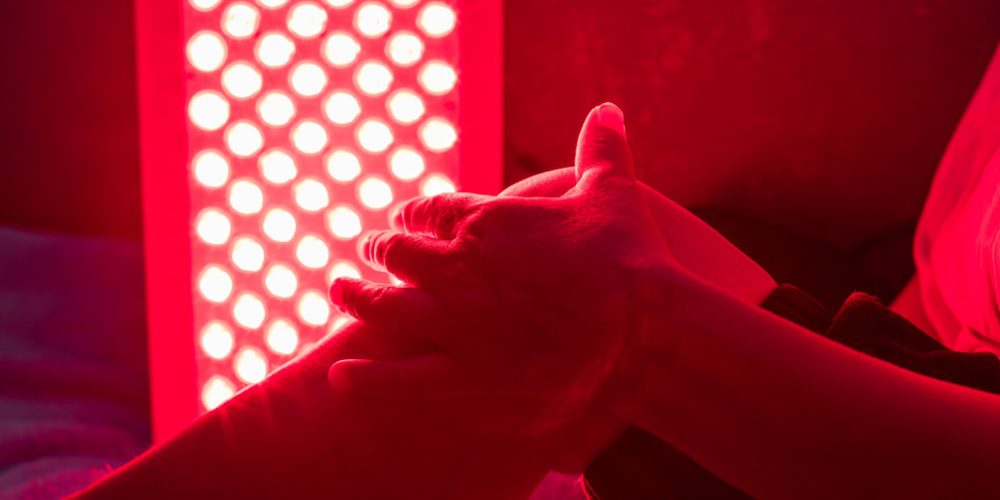
A simple RLT routine for moms
Pick or choose from these popular RLT hotspots, and remember to start with just 5-10 minutes per session
- Morning boost: 5-10 minutes on your back or shoulders before starting the day.
- Post-nap refresh: 5 minutes on arms or legs to ease muscle tension.
- Evening calm: 5-10 minutes on the lower belly for tissue repair.
You can adjust the timing based on your schedule and how your body responds. Some moms prefer morning sessions for a start-the-day boost, while evening sessions can feel like a gentle wind-down.
Next steps: chats and recipes to help you thrive
Red light therapy can be a safe, effective, and easy-to-follow tool for breastfeeding moms. With a little planning, consistent use, and proper precautions, it can help support faster healing, smoother skin, reduced discomfort, and an overall more comfortable postpartum recovery.
Check through the points we’ve covered, choose a device that works for you, and post any questions (or how you get on!) in our Community chat. And for your next read, I’d really recommend editor Emma’s Ayurvedic postpartum recipes guide, to support recovery (with expert guidance for breastfeeding), put together with postpartum dream team Thrive Journey.