
Why do my nipples hurt? (We can think of 8+ reasons, let’s unpack)

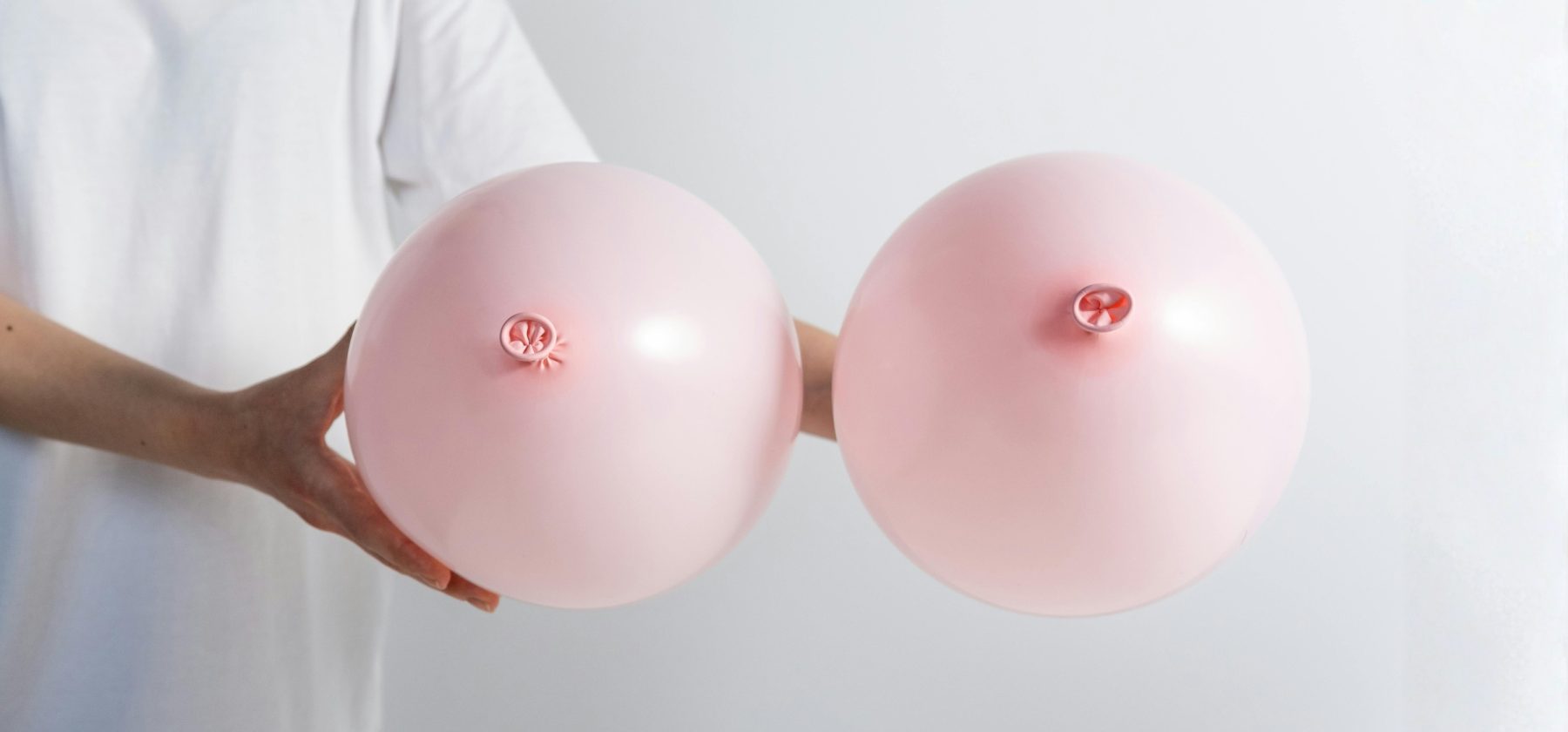
Sore nipples can be uncomfortable, distracting and – understandably – worrying. Remember though, this is a super-sensitive, delicate area. Pain and tenderness are incredibly common and can happen at many different stages of life.
From hormonal changes before your period to pregnancy, breastfeeding, skin irritation or perimenopause, there are many possible explanations for why your nipples feel tender, painful or unusually sensitive.
The good news is that most causes of nipple soreness are not serious and can often be managed with simple changes or treatment. However, because your nipples contain a high concentration of nerve endings, they can be particularly sensitive to changes happening inside and outside your body.
So, why do your nipples hurt? Let’s look at the most common reasons.
Why are my nipples sore?
There are many reasons your nipples might feel sore, sensitive or painful. Some of the most common causes include:
- hormonal changes during your menstrual cycle
- pregnancy
- breastfeeding
- friction from clothing or exercise
- dry skin or skin conditions such as eczema
- infection (hello nipple thrush – this was my postpartum nemesis with baby #2
- perimenopause and changing hormone levels
- certain medications or hormonal contraception
The type of pain you experience can offer clues. You may notice:
- tenderness when your nipples are touched
- a burning sensation
- ttching
- cracking
- pain that feels deeper within the breast
Understanding when the pain happens, whether it affects one or both nipples, and whether you have other symptoms can also help identify the likely cause.
Touch
If your nipples hurt when touched, it’s often because they have become more sensitive than usual. The nipple and areola contain a high concentration of nerve endings, which means they can react strongly to changes in hormones, temperature, friction and irritation.
With one or more of these going on, anything touching your nipple can suddenly feel very intense, without there always being an obvious reason why.
Hormonal changes
Hormones are one of the most common reasons for nipple tenderness.
Throughout your menstrual cycle, changing levels of estrogen and progesterone affect breast tissue. Many people notice sore nipples or breast tenderness in the days before their period, when hormone levels shift and the breasts may feel fuller or more swollen.
If your nipple pain appears at a similar point in your cycle each month and improves once your period begins, hormonal changes are a likely explanation.
Hormonal contraception can also affect breast sensitivity, particularly when starting a new method or changing doses.
Friction and irritation
Sometimes sore nipples have a simple physical cause.
Friction from bras, tight clothing, exercise or rough fabrics can irritate the delicate skin around the nipple. This is particularly common during activities such as running, where repeated rubbing alongside sweat can cause soreness, redness and even cracking.
You may also notice sensitivity after changing laundry detergent, body wash, moisturizers or other products that come into contact with your skin.
Switching to softer, natural fabrics, wearing a supportive bra and avoiding potential irritants can often help.
Pregnancy
Right from the get-go, pregnancy is one of the most common times to experience sore or sensitive nipples. In fact, it was my very first symptom with my first baby – I noticed my nipples were a lot more sensitive than usual, days before I took a pregnancy test.
During early pregnancy, rising levels of hormones including estrogen and progesterone increase blood flow to the breasts and begin preparing them for breastfeeding. For many people – me included – breast and nipple tenderness is one of the first signs they notice.
You may experience:
- increased nipple sensitivity
- tingling or aching
- tenderness when touched
- darkening of the areola
- more prominent nipples
- breast fullness or swelling
Nipple pain and sensitivity isn’t just for the first trimester, however – it can carry on into late pregnancy too, and right up to birth. Wearing a comfortable, supportive maternity bra and avoiding unnecessary friction can help.
If pain feels severe, is only affecting one side or comes with unusual symptoms, mention it to your healthcare provider.
I’m not pregnant – so what’s happening?
There are plenty of reasons your nipples may hurt even when you’re not expecting a baby.
Common causes include:
- premenstrual hormone changes
- ovulation
- hormonal contraception
- perimenopause
- breastfeeding-related changes
- friction or skin irritation
- infection
- certain medications
If you’ve ruled out pregnancy and your nipple pain is new, persistent or unexplained, it’s worth paying attention to any other changes, including lumps, discharge or changes to the appearance of the nipple, and speaking to your healthcare provider.
Why does my nipple burn?
A burning sensation in the nipple can feel different from general tenderness and may suggest irritation, inflammation or changes to the skin.
Breastfeeding-related causes
For breastfeeding parents, burning nipple pain is a common concern and can happen for several reasons.
A poor latch, shallow attachment, tongue tie or positioning issues can put extra pressure on the nipple, causing pain during or after feeds.
Sharp or burning nipple pain while breastfeeding may also be linked to:
- damaged nipple tissue
- cracked nipples
- milk blebs
- vasospasm (when blood vessels narrow and cause painful color changes)
- thrush
What causes cracked nipples?
Cracked nipples happen when the skin around the nipple becomes damaged or irritated. While they are particularly common during breastfeeding, they can happen for other reasons too.
Common causes include:
- a baby not latching deeply enough during breastfeeding
- frequent rubbing or friction
- dry skin
- eczema or dermatitis
- infection
- cold weather
- incorrect breast pump settings
Cracked nipples can be painful and may cause stinging or burning sensations. Keeping the area clean, allowing nipples to air dry after feeding and using products recommended by a healthcare professional can help support healing.
If cracks aren’t improving, become increasingly painful or are accompanied by redness, swelling or discharge, seek medical advice as this could indicate infection.
A note on nipple thrush from me – don’t ignore it. You couldn’t if you wanted to, as that burning sensation and pain can be really debilitating. Here’s my go-to tool kit for navigating nipple thrush, put together when I was in the trenches:
- book an appointment (GP or healthcare provider, this is not one just to battle through alone)
- a good probiotic – look for one containing saccharomyces boulardii)
- grapefruit seed extract (this really helped me, but check with your provider)
- many women swear by gentian violet (I haven’t tried, but would look into)
- lower your carb intake if possible – the bacteria causing this yeast infection thrive on sugar
- a warm compress after breastfeeding
- dab a little coconut oil on affected areas (baby’s mouth and your nipple)
- silver nipple caps across your feeding journey – these ones from Koala Babycare absolutely did the trick for me, tackling my cracked nipple and thrush situation
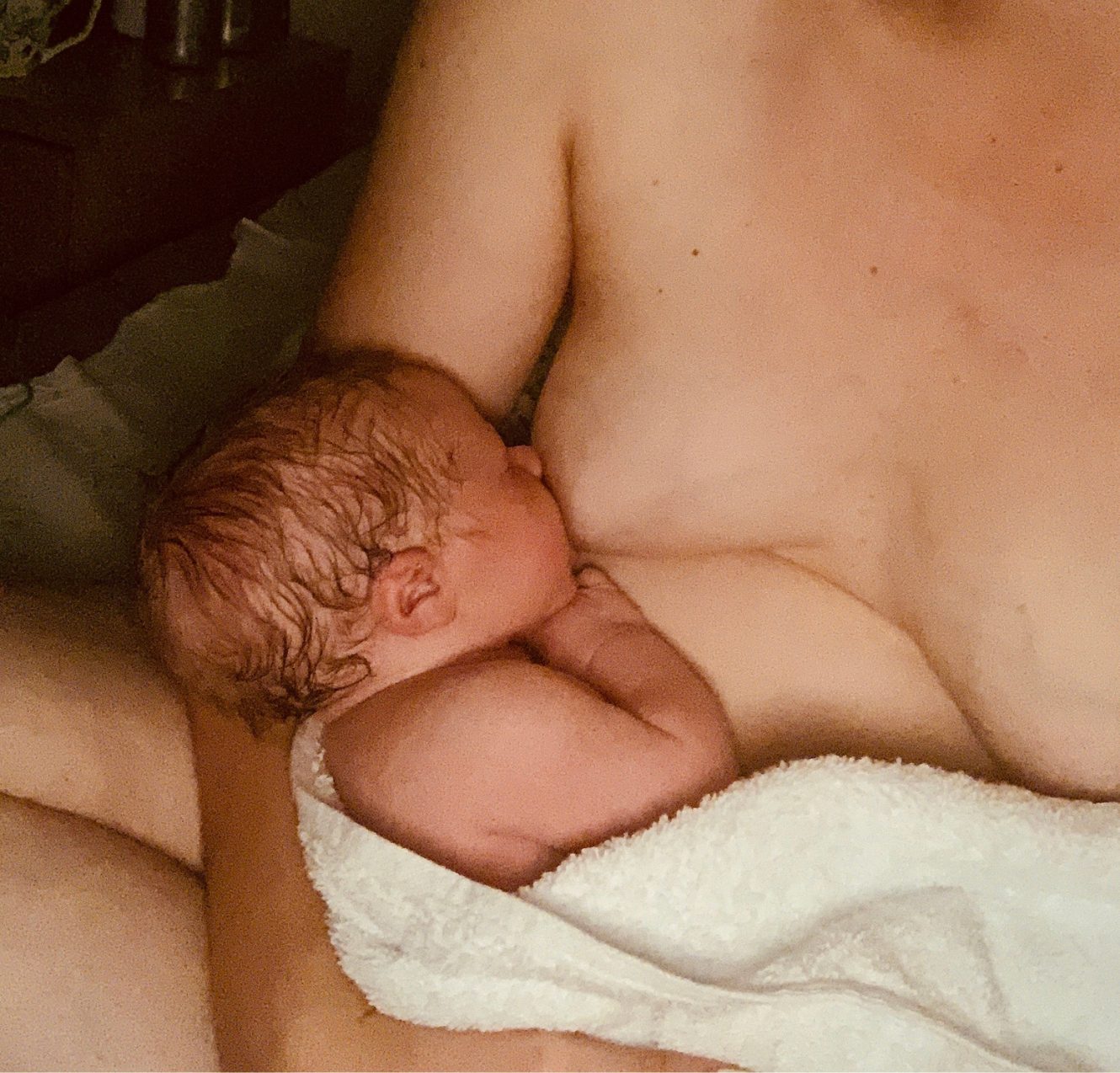
If breastfeeding feels painful, support from a lactation consultant or healthcare professional can help identify what’s causing the discomfort. You may also find our feeding support pack helpful:
- Breastfeeding and sharp nipple pain? Let’s get specific
- Common breastfeeding problems (solutions from mastitis to thrush), and
- When baby just won’t stay latched on (but will cry – a lot!)
Can perimenopause cause sore nipples?
Yes, changing hormone levels during perimenopause can cause nipple soreness and increased sensitivity.
During this stage of life, estrogen and progesterone levels can fluctuate significantly, affecting breast tissue and how your breasts feel. Some people notice:
- tender nipples
- breast aching or swelling
- increased sensitivity
- itchy or irritated skin
- burning sensations
Perimenopause can also cause changes to the skin, including increased dryness and itching. If you’re experiencing ongoing itchiness or skin changes, our guide to perimenopausal pruritus explores why this can happen and what may help.
Could sore nipples be breast cancer?
If you’re experiencing nipple pain, it’s completely understandable to wonder whether it could be a sign of something serious. The reassuring news is that nipple pain on its own is not usually a sign of breast cancer. There are many more common explanations, including hormonal changes, pregnancy, breastfeeding, friction and skin irritation.
However, any new, persistent or unexplained breast changes should be checked by a healthcare professional.
Make an appointment with your doctor if you notice:
- nipple pain that does not improve after a few weeks
- pain affecting only one nipple without an obvious cause
- a new lump in your breast or armpit
- bloody, spontaneous or unusual nipple discharge
- a nipple that has recently become inverted (turned inward)
- changes to the skin of your breast or nipple, such as dimpling, thickening, scaling or a rash that does not heal
- persistent inflammation – look for redness, warmth or swelling
According to Breastcancer.org, nipple pain is much more commonly linked to benign causes, but ongoing nipple symptoms or other breast changes should be assessed.
Appointment prep
Your healthcare provider will usually ask about your symptoms, including when the pain started, whether it affects one or both nipples, whether it changes during your menstrual cycle, and whether you have noticed any discharge, lumps or skin changes.
They may examine your breasts and, depending on your symptoms, age and medical history, recommend further tests such as an ultrasound, mammogram or referral to a specialist breast clinic.
In many cases, these checks provide reassurance and identify a non-serious cause. However, getting persistent or unusual symptoms assessed means you can access the right support and treatment if needed.
Wrapping it up
Sore nipples are common and can happen for many reasons, from normal hormonal changes to pregnancy, breastfeeding or skin irritation. Because nipples are highly sensitive, even small changes in your body or your environment can lead to noticeable tenderness or discomfort.
While nipple pain is rarely linked to something serious, it’s important to pay attention to symptoms that are new, persistent or unusual for you. If you notice changes such as a lump, discharge, skin changes or pain that does not improve, speaking with a healthcare professional can help identify the cause and give you peace of mind.
Whether your nipples are tender before your period, sensitive during pregnancy, painful from breastfeeding or simply irritated, understanding the possible causes is the first step toward finding relief.
Read this next: Breastfeeding and sharp nipple pain? Let’s get specific