
Postpartum anxiety quiz: A 10-minute test to check your symptoms

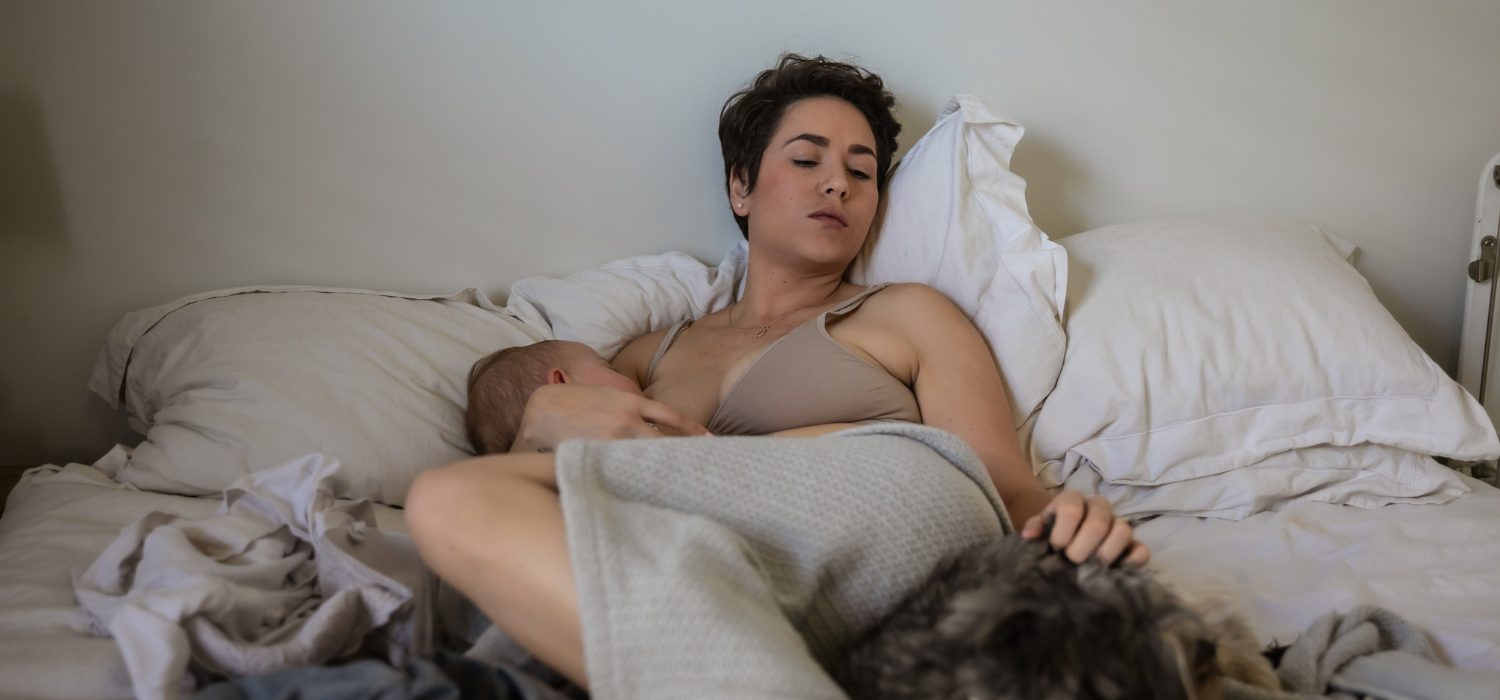
Becoming a mom changes everything. The joy of holding your baby is real – but so are the sleepless nights (Romper have some really good thinking on this topic, worth a read), the physical recovery, and the avalanche of new responsibilities. For many new mothers (potentially as many as 1 in 5), another reality enters the picture: postpartum anxiety.
You may find yourself constantly worrying about your baby’s safety, feeling your heart race for no clear reason, or imagining scary “what if” scenarios. These feelings are far more common than you might think – and they’re not a sign that you’re failing as a mom.
This quick-help guide is built around a 10-minute postpartum anxiety quiz. It’s not a diagnosis, but it can help you check in with yourself, get a sense of whether you might be experiencing postpartum anxiety, and understand what to do next.
First things first, the nuts and bolts of postpartum anxiety.
What is postpartum anxiety?
Postpartum anxiety is an umbrella term for the intense worry, fear, or stress that some women experience after giving birth. It’s different from the everyday concerns that come with new motherhood, and it can interfere with daily life.
Signs and symptoms include:
- Constant worry about your baby’s health, safety, or wellbeing
- Difficulty sleeping, even when your baby is resting
- Racing thoughts or a feeling that your mind won’t “switch off”
- Physical symptoms like a racing heart, nausea, or shakiness
- Intrusive thoughts – scary, repetitive, and/or unwanted thoughts, images or ideas that pop into your head
- Postpartum separation anxiety – feeling unable to be apart from your baby, even briefly
At an already intense time postpartum, any of these can be incredibly tough to experience.
Research confirms how widespread the condition is. According to this study, one in five women experiences high levels of postpartum anxiety. Importantly, one in four anxious women does not also have depression, which means anxiety deserves its own spotlight in postpartum mental health screening.
Do I have postpartum anxiety? (take the quiz)
This 10-minute postpartum anxiety test is designed for self-reflection. Answer honestly (no judgement here, ever), based on how you’ve felt in the past two weeks.
Scoring system:
- 0 = Not at all
- 1 = Occasionally
- 2 = Often
- 3 = Nearly every day
Questions
- Do you find yourself worrying excessively about your baby’s health or safety?
- Do you struggle to sleep, even when your baby is resting?
- Do you notice your heart racing, sweating, or shortness of breath without a clear reason?
- Do intrusive thoughts pop into your head (for example, imagining harm coming to your baby), that are hard to dismiss?
- Do you avoid being apart from your baby because of fear or anxiety (might also indicate postpartum separation anxiety)?
- Do you feel restless, tense, or constantly “on edge”?
- Do your worries interfere with relaxing, eating, or enjoying time with your baby?
- Do you often spiral into “what if”, thinking about worst-case scenarios?
- Do you feel anxiety impacts your bond with your baby or your partner?
- Have these symptoms lasted for more than two weeks?
Check your score, and take these next steps (gently)
- 0-7 points – Mild or occasional anxiety. You may simply be adjusting to new motherhood, and trust us, we’ve felt these feels too!
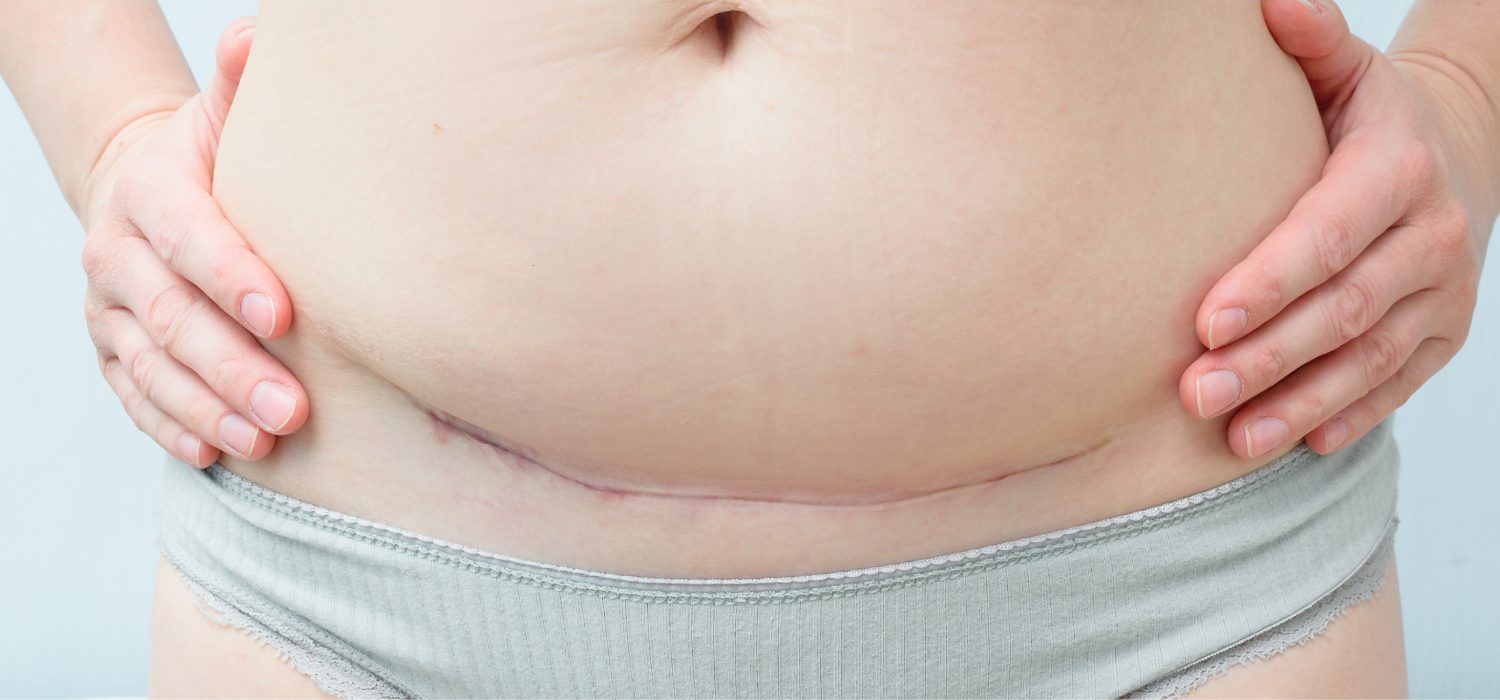
Keep supporting yourself with good nutrition, rest (wherever you can – pull in that support network), and routines. Explore grounding practices – we’ve just hit publish on these amazing Ayurveda postpartum recipes (get someone helpful to make you up a bach), or gentle healing aids like a c-section recovery kit if relevant.
Deeper support options might include postpartum acupuncture to calm the nervous system or addressing postnatal depletion.
- 8-15 points – Moderate anxiety. This is worth paying close attention to. Ensure your partner and/or your immediate circle know how you’re feeling, and prioritise sleep. I found my husband walking our second baby around in the carrier between feeds gave me back some rest.
It’s also a good time to check in with your healthcare provider.
- 16-30 points – Severe anxiety. Please reach out to your GP, OB-GYN, or a mental health professional as soon as possible. Postpartum anxiety is treatable, and you don’t need to struggle alone.

How long can postpartum anxiety last?
This is one of the most common questions moms have, particularly when it comes to intrusive thoughts, which – while common – can be really distressing.
The answer is – it depends. For some mothers, symptoms fade after a few weeks. For others, they can persist for months or longer if left unaddressed.
The study cited above found that anxiety in the early postpartum period is a strong predictor of ongoing difficulties. That’s why early recognition (using a quiz like this one) and early support are so important.
Understanding intrusive thoughts
Intrusive thoughts can be one of the most frightening aspects of postpartum anxiety. You might picture something terrible happening to your baby, or imagine yourself accidentally causing harm. These thoughts are unwanted, distressing, and not a reflection of your character.
Key reassurance: having an intrusive thought does not mean you want it to happen. They’re a symptom of anxiety, not intent. Talking about them openly with a healthcare provider can help reduce shame and open up pathways to treatment.
What helps with postpartum anxiety?
If your quiz score suggests you’re struggling, know that postpartum anxiety is treatable. Recovery may involve one or more of the following approaches:
- Therapy – Cognitive Behavioural Therapy (CBT) is especially effective.
- Medication – Some women benefit from anti-anxiety medication or antidepressants, prescribed by their doctor.
- Lifestyle support – Nutritious meals, hydration, rest, and social support all play a role. Start with our Ayurvedic recipes for postpartum.
- Complementary therapies – Options like postpartum acupuncture may help ease nervous system overload.
- Practical help – Accepting support from friends, family, or postpartum doulas can lighten the load.
Postpartum separation anxiety
For some mothers, anxiety centres around being apart from their baby – even for a moment. Known as postpartum separation anxiety (PSA), it can lead to avoiding breaks, feeling unable to leave the house, or turning down childcare offers.
If this resonates with you, gentle exposure (small, supported separations) alongside professional guidance can help you rebuild confidence and balance.
YouTuber Emily Norris has spoken openly about her experiences with PSA – watch this video for a down-to-earth, compassionate account.
Know these things
If you’ve completed this quiz and feel concerned about your results, remember:
- You are not alone. One in five women experiences significant postpartum anxiety.
- It is not your fault. These symptoms are not a reflection of your strength or love as a mother.
- Support is available. Whether through lifestyle changes, professional therapy, or medical treatment, postpartum anxiety can improve.
Quick links for TRB postpartum support
- Ayurveda postpartum recipes – 3 Ayurvedic postpartum recipes to support recovery (with expert guidance for your Dosha, breastfeeding and more)
- C-section recovery kit – the essentials – from rest and physical therapies to vit C, collagen and more
- Postpartum acupuncture 101 – a leading acupuncturist shares her essentials
- Postnatal depletion – Two kids in – and 7 years on – I’m only just getting a handle – here are my non-negotiables
If your anxiety feels overwhelming, or your intrusive thoughts are frightening, please reach out right away to your doctor, midwife, or a trusted mental health provider. Asking for help is a step of strength – and recovery is absolutely possible.