

The gestational surrogacy questions you’re asking…
…answered by Sarah Campbell, licensed clinical social worker and therapist, and two-time egg and donor two-time surrogate.
This Instagram live was powered by Pinnacle Surrogacy – a distinguished program offering expedited surrogate matching to Pinnacle network patients.
Watch as we cover
The before and prepping for surrogacy, including:
- How Sarah decided to become a surrogate and their journey to date.
- The screening process for surrogates, including the assessments involved.
- How surrogates and intended parents connect and build relationships.
- Concerns or fears surrogates may have before starting their journey.
- The tests and checkups that are part of the pregnancy experience for surrogates.
We also chat through all things post-birth, including:
- What delivery was like for our guest, both emotionally and physically, and the rituals or moments that supported the emotional transfer.
- Whether they pumped breast milk for the baby/babies after birth and how they managed it logistically.
- The long-term impact of their surrogacy journey and whether they’ve kept in touch with the family/ies.
Thinking about building your family via surrogacy? Head to Pinnacle Surrogacy to get started. Make use of their really handy online chat tool for any more quick-fire questions, and browse to find a clinic near you.
Looking to become a surrogate? Skip to Pinnacle Surrogacy’s support hub. You’ll find the application right up top, plus lots of information on the screening process, and more.
Transcript
Eloise Edington
Hello, welcome. Thanks to those who just joined us. We are going live now with Sarah Campbell, who is a two-time egg donor and two-time gestational surrogate, to share her experience. Today’s live is powered by Pinnacle Surrogacy. We are just getting Sarah in now, and we can answer your questions and hear about her experience and questions from the community about surrogacy. Let’s see if we can get her in now and make a start.
Hi to those who are joining, nice to see you. Today, we’re still trying to locate Sarah. Hi everyone, thanks for joining. Hopefully, Sarah will be here in a second and we can make a start. I know she is ready to speak, share her experiences, and answer any questions you have. It’s going to be a very informative live.
We are just waiting for Sarah Campbell to join. She has been an egg donor twice as well as a gestational surrogate twice.
Hello Sarah, welcome.
Sarah Campbell
Hello, thank you so much for having me.
Eloise Edington
Of course. Please start by introducing yourself. As I mentioned, today’s live is powered by Pinnacle Surrogacy, a distinguished program offering expedited surrogate matching to Pinnacle Network patients. We’re going to talk about your own experience in this field, being a donor and a surrogate twice. We’ll cover the tests, checkups, screening processes, and what happens after the birth. Please introduce yourself.
Sarah Campbell
Of course. My name is Sarah, and I am a licensed clinical social worker. I became interested in this world because I saw a friend go through being a surrogate. She had a great experience, and that was about 10 years ago, back in 2013 or 2014. It stayed on my mind as something I wanted to explore.
I started by doing a couple of egg donations in 2017. I was lucky enough to work with Amber, a coordinator at Pinnacle, who was amazing. From there, I transitioned to surrogacy a couple of years later. I’ve been fortunate to have two wonderful kids of my own with easy pregnancies, so it felt like a natural progression for me.
Eloise Edington
Amazing. I’d love to ask a bit more about how you decided to do it. What was the screening process like for surrogacy? What kind of assessments did you go through?
Sarah Campbell
Being a surrogate generally starts with filling out a questionnaire to ensure you meet the basic requirements. The screening process involves medical evaluations to confirm you’re healthy enough to carry a baby, including lab work and other tests.
There’s also a psychological assessment, which includes an interview with a marriage and family therapist to ensure you’re emotionally ready. You meet with a social worker who conducts a home visit to ensure your environment is safe. On the medical side, you go through standard tests like a Pap smear and a water ultrasound to check that your uterus is healthy and ready for pregnancy.
Eloise Edington
How did you and the intended parents connect, and what was the process like for you in terms of building that relationship?
Sarah Campbell
I’ve completed two surrogacies. My first journey was in 2019, and the second just finished this year, with the birth in June. Pinnacle matches intended parents and surrogates by reviewing profiles that each party completes. The profiles include questions about preferences and what each person is looking for in the journey. Pinnacle does a great job of matching people who align in their goals.
Once the intended parents saw my profile and expressed interest, Pinnacle set up a Zoom meeting. This meeting allowed us to get to know each other, ask questions, and discuss our expectations. After the meeting, both parties decide whether to move forward. Pinnacle facilitates communication but allows for direct conversations once the relationship feels comfortable.
Eloise Edington
What were the circumstances for the intended parents in your two surrogacy journeys?
Sarah Campbell
They were very different. My first surrogacy was for an international couple. The intended mother had experienced complications in a previous pregnancy and, for health reasons, felt it wasn’t safe to carry again. They already had one child.
The second surrogacy was for a gay couple who needed a surrogate to have a child.
Eloise Edington
Were there any concerns or fears you had before starting either of these journeys?
Sarah Campbell
The biggest concern people ask about is attachment to the baby. For me, it wasn’t a big worry. I went into it knowing this wasn’t my child. I’d seen my friend go through it and felt prepared. I formed more of an “auntie bond” with the baby, wanting them to be healthy and happy. The most exciting part is seeing the intended parents hold their baby for the first time.
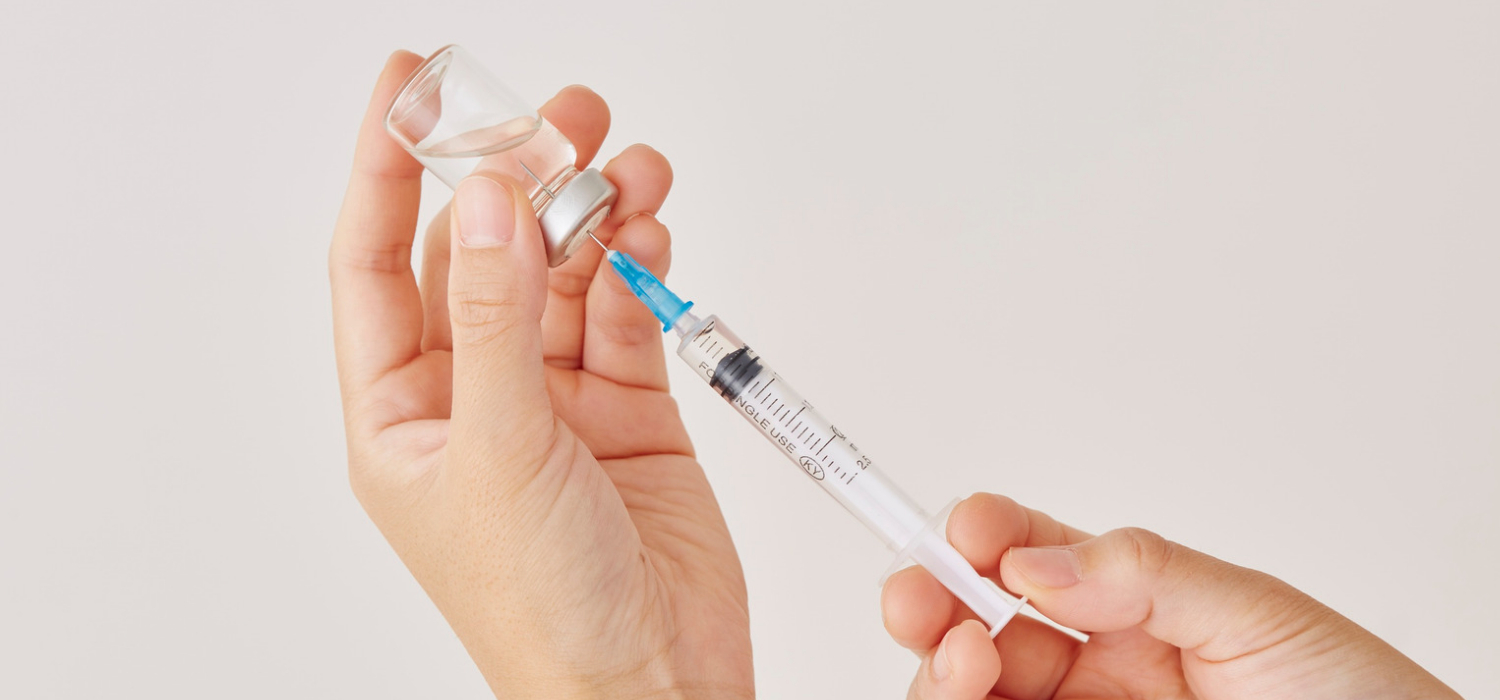
Another concern I had was giving myself injections, which is part of the medical preparation. I’d done some smaller subcutaneous injections for my egg donations, so I had some experience. The intramuscular injections required for the embryo transfer were intimidating at first, but the nurses at Pinnacle made me feel confident. After a few times, it became second nature.
Eloise Edington
These injections prepare your uterine lining for the embryo transfer, right?
Sarah Campbell
Yes, exactly.
Eloise Edington
What was the process like leading up to the transfer and during early pregnancy?
Sarah Campbell
There are more checkups and medical interventions than in a spontaneous pregnancy. You take medications, have ultrasounds to monitor your uterine lining and ovaries, and check in with the medical team regularly. After the transfer, you continue medications for the first 12 weeks.
Once you reach 12 weeks, you transition to a regular OB, and the pregnancy proceeds as normal. Pinnacle provides great support, including ongoing check-ins with a mental health professional and a dietitian to help optimize your health before and during pregnancy.
Eloise Edington
Do you stay in contact with the intended parents now? How did you manage that relationship during and after the pregnancies?
Sarah Campbell
I’ve stayed in contact with both sets of parents. During the pregnancies, communication was easy because we had a strong relationship from the beginning. Pinnacle helped facilitate communication initially, but we quickly moved to direct conversations.
After the births, I still receive updates and pictures, which I love. It’s wonderful to see how the children are doing and to know I played a role in helping these families grow.
The first pregnancy was with an international couple, so our relationship was a little different in the sense that keeping in touch with someone in a different country is more complicated. They weren’t able to attend as many of the appointments during the pregnancy, but I would send updates using WhatsApp. I’d share information from my appointments and check in regularly, providing updates on milestones like feeling the baby kick for the first time. We didn’t have daily contact, but communication was consistent throughout.
I delivered in April 2020, during the height of the COVID-19 pandemic. That understandably complicated things further. The parents were only able to stay for a few weeks after the birth before returning home. Despite the challenges, we’ve maintained a relationship. The mother still follows me on Instagram, and I occasionally receive picture updates of the child, especially during milestones like birthdays.
The second surrogacy was quite different. The intended parents lived just a few hours away, which naturally allowed for a closer relationship. They attended all the major appointments, including growth ultrasounds and key check-ups. They were also present for the birth and stayed for some time afterward.
Our relationship has remained strong, partly because I provided breast milk for their baby for an extended period. They even invited me and my children to visit them. When the baby was about two months old, we spent time together, which was a wonderful experience.
Eloise Edington
That’s amazing! How did you navigate talking to your children about being a surrogate?
Sarah Campbell
That’s definitely a question I get a lot—whether my kids understood what was happening. My children were a little older when I started my first surrogacy journey. They were 8 and 10 at the time, so they were at an age where I could have pretty open conversations with them.
I was very candid about the process and why I wanted to do it. Now, they just think it’s normal. I’ve done it twice, so for them, it’s just something “Mom does.” I remember my younger one being shocked one day at school when someone didn’t know what surrogacy was.
Eloise Edington
That’s wonderful. It’s amazing for children to learn about different ways families are created.
Sarah Campbell
Exactly! It’s exciting that they’re growing up with the understanding that families are made in all sorts of ways. For them, it’s completely normal now.
Eloise Edington
You’ve mentioned Pinnacle Surrogacy’s support. Were there any challenges along the way, and how did Pinnacle help?
Sarah Campbell
Yes, absolutely. For my first surrogacy, the biggest challenge was delivering during the pandemic. That was such a wild time, and there was so much uncertainty. My coordinator at Pinnacle stepped up in a way that still amazes me.
Since the intended parents couldn’t be in the hospital, she actually showed up as my support person. She was there in person, helping with logistics like filling out and faxing Power of Attorney forms so I could have the baby in the room with me until the parents could join the next day.
For my second surrogacy, I had some early scares with bleeding, which was obviously frightening. Pinnacle was incredibly supportive. I reached out to them immediately, and they were so responsive. They provided guidance and reassurance, which made such a difference during those moments.
Eloise Edington
That level of support must make all the difference.
Sarah Campbell
Definitely. Anytime I had a question—whether it was a minor or major issue—they responded quickly. I’ve heard from other surrogates who didn’t have that kind of support, and I feel really lucky to have had such a positive experience with Pinnacle.
Eloise Edington
That’s incredible. Let’s talk about the deliveries. How were they, and did you plan the experience with Pinnacle and the intended parents?
Sarah Campbell
I was fortunate to have easy deliveries with both surrogacies. For my first delivery, the wild part was, of course, the COVID-19 pandemic. The intended parents couldn’t be in the hospital with me, which was difficult, but we worked around it as best we could.
For my second delivery, everything went smoothly. The dads were able to be in the room, and the hospital was very understanding of the surrogacy situation. Seeing the dads hold their baby for the first time was the most beautiful moment.
We had discussed and planned many aspects of the delivery during the initial matching process and throughout the journey. Pinnacle facilitates those conversations, so everyone is on the same page. As we got closer to the delivery, we had more specific conversations with the intended parents about their hopes and plans, which helped everything go smoothly.
Eloise Edington
That must have been such a rewarding experience!
Sarah Campbell
Absolutely. Those moments—seeing the parents meet their baby for the first time—make everything worth it. It’s truly a beautiful and emotional experience for everyone involved.
Eloise Edington
And you mentioned pumping breast milk for the baby or babies after birth. How does that work logistically, and how do you agree on how long you’re going to do it?
Sarah Campbell
That’s a great question. It’s actually part of the surrogacy contract—whether you’re open to or intending to pump breast milk for the baby. With the first family, I pumped for a few weeks. Since they were staying nearby, they had someone pick it up from me daily to give to the baby.
In most cases, though, it’s more like what I just finished doing with this set of intended parents. In the hospital, I started pumping right away and gave them the colostrum. Once they went home, I continued pumping to establish my supply, freezing the milk, and shipping it to them.
Pinnacle Surrogacy played a big role in coordinating that. I would let my coordinator know when I was ready to pack up milk, and they provided the supplies, like the shipping boxes and labels. I’d pack everything up and send it off weekly. I actually just wrapped that up last Friday, so I’m now slowly tapering off and getting ready to return to life without pumping around the clock.
Eloise Edington
It’s such an amazing thing to do because it’s an extension of the postpartum healing process, isn’t it? Physically and emotionally, it can be quite a lot. How have you recovered, both physically and emotionally, from being part of this process?
Sarah Campbell
For me, personally, pumping was a big part of my recovery. From a mental health perspective, it was helpful. I work as a therapist specializing in perinatal mental health, and becoming a surrogate is what got me into that niche.
As surrogates, we go through the same hormonal fluctuations as anyone postpartum. There’s that initial period of baby blues, and for me, the hormones produced by breastfeeding really helped me transition emotionally. Not all surrogates choose to pump, and that’s totally okay, but it was something I knew I wanted to do for my physical and emotional recovery.
Eloise Edington
And how do you feel these two surrogacy journeys have impacted you in the longer term?
Sarah Campbell
Longer term, it’s been incredible. The relationships I’ve formed with the families are so meaningful—they’re connections I’ll treasure for life.
Physically, there are risks involved, of course, but I think the experience has been good for me overall. I’ve worked much harder to keep myself healthy throughout both pregnancies and the postpartum period, especially while pumping. It’s given me extra motivation to focus on my health.
Emotionally and even career-wise, surrogacy has had a huge impact. It inspired my interest in perinatal mental health, and now I work with moms dealing with fertility challenges, postpartum depression, and related issues. During COVID, I even got certified in lactation education because I was so fascinated by the process. It’s really shaped my career and personal growth.
The support from Pinnacle, as well as the relationships I’ve formed with my coordinator and the team, has been a big part of that.
Eloise Edington
That’s so wonderful to hear. The team at Pinnacle really is amazing, and it’s clear you’ve been in excellent hands.
Thank you so much for sharing your experiences so candidly with us today. For anyone interested in surrogacy, please check out the link in our bio to learn more about Pinnacle Surrogacy. Whether you’re considering becoming a surrogate or pursuing surrogacy as intended parents, the team at Pinnacle is here to support you.
And Sarah, it’s been wonderful speaking with you. Thank you again for coming on to chat with me.
Sarah Campbell
Of course! Thank you so much for having me. It’s been great.
Eloise Edington
Thanks, everyone! Take care.
Sarah Campbell
You too. Bye-bye.
Want to hear more from Pinnacle Surrogacy?
Read this next: Commercial surrogacy in the spotlight – a leading agency answers top ethics FAQs