

C-section scar endometriosis – yes, it’s a thing

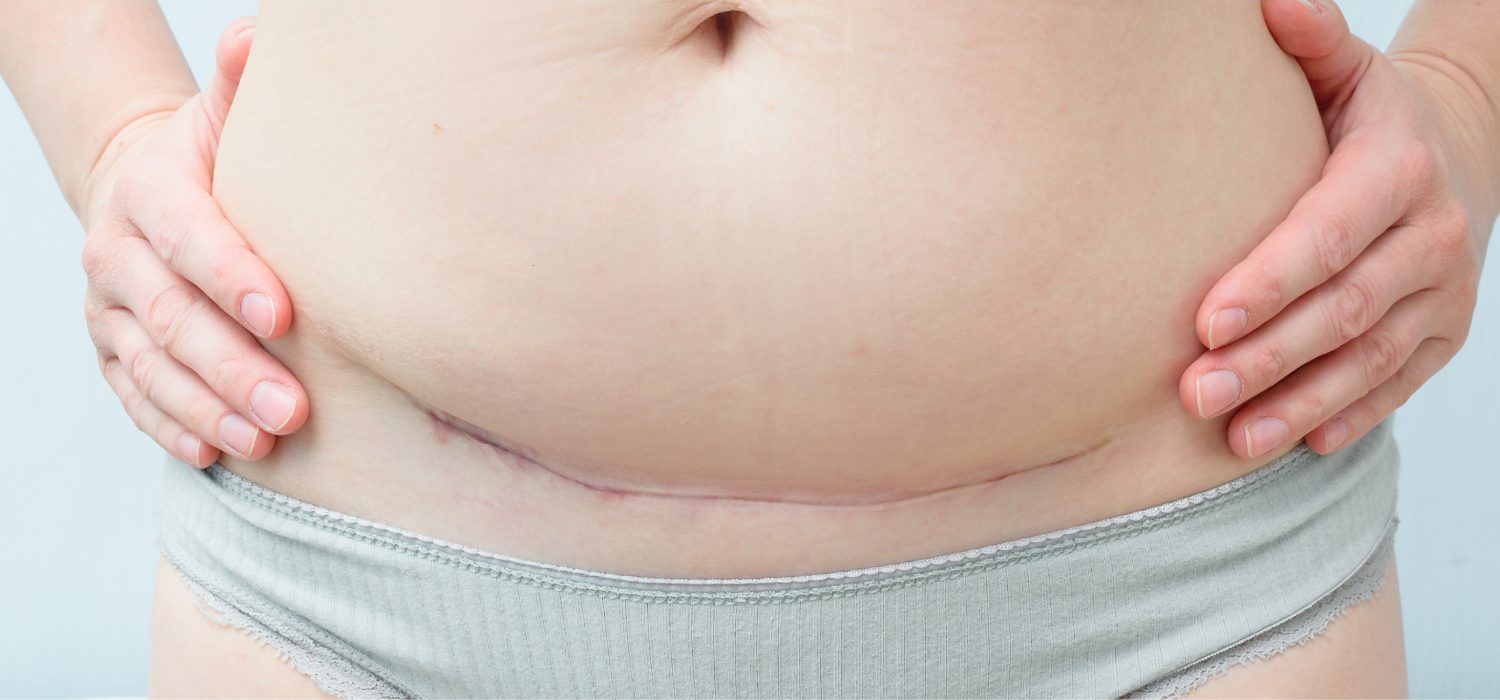
C-section scar endometriosis, also called incisional endometriosis, is thought to be pretty rare.
But with several Reddit threads calling out for discussion, shared experiences and support, plus this study from 2023 telling us that prevalence is on the rise, is it really experienced as infrequently as we might think?
We’ve said it before, and we’ll keep saying it. As with so many aspects of endometriosis, and wider women’s health-related conditions too, there’s a disappointing (but not surprising) lack of real research here.
We’re pushing for more awareness, and building up our library of educational content with a view to supporting those who’re going through it – from how to find a specialist to navigating silent endometriosis, guides on how to get diagnosed and more.
Here’s what we know about c-sections, scarring and endometriosis, right now.
What is c-section scar endometriosis?
C-section scar endometriosis happens when endometrial cells are found in the scar tissue from a cesarean section.
It is thought that these are transferred from existing endometrial cells into the incision site during the surgery.
Over time, these endometrial cells might react to your menstrual cycle, causing you to experience endometriosis symptoms around your scar.
It can develop months or even years after abdominal surgery, especially in those with a history of c-section delivery.
Endometriosis in c-section scar symptoms
Symptoms can show up slowly, and there are said to be two things to watch for:
- Pain or tenderness at your scar, especially (but not limited to) during your period
- A lump in or near to your scar that’s noticeable
What does an endometriosis lump on c-section scar feel like?
An endometriosis lump on a c-section scar is typically firm, small and tender. The lump may increase in size or become more painful during your period.
Note – If you have a lump in your scar, it’s not certain to be related to endometriosis.
Other conditions that present as lumps include keloid scarring, incisional hernias and large hematomas, and it’s important to get any bumps checked out by your healthcare provider, especially if they’re painful, growing or bleeding.
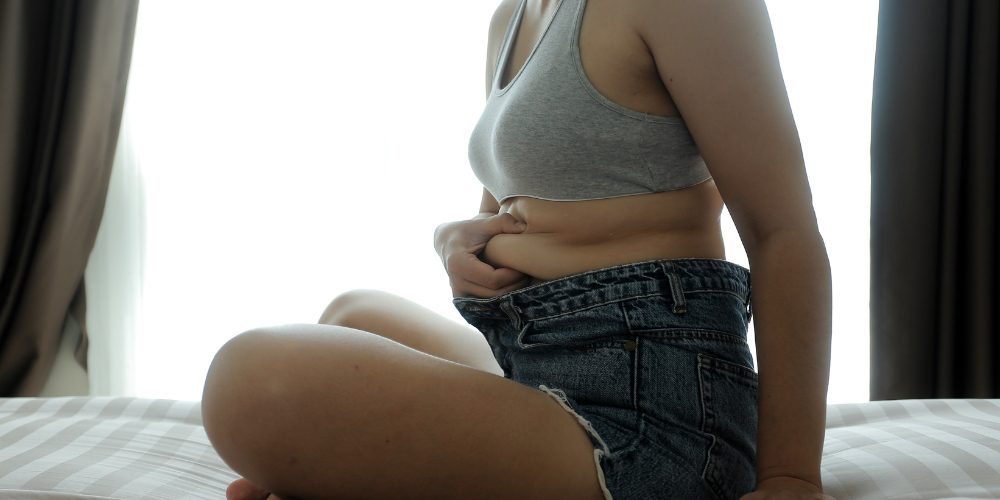
Diagnosing c-section scar endometriosis
A healthcare provider should take a full history of your c-section experiences, and ask you about your pain patterns.
Radiography, specifically ultrasound, might then be used to examine a suspected endometriosis lump on a c-section scar first. The right specialist can then identify irregular tissue or nodules embedded in the scar.
In some cases, further imaging like MRI may be recommended as a second-line approach, but a small surgical biopsy is the only way to confirm diagnosis.
C-section scar endometriosis treatment
For those wondering about c-section scar endometriosis treatment, answers here are frustratingly murky.
Here’s what most sources suggest. You might be offered these treatments in isolation, or in combination:
- Pain management options, including painkillers
- Hormonal therapy, including birth control
- Surgical removal of the lump or tissue
One small study tells us that after surgical removal, no recurrence of the c-section endometriosis was observed, which suggests that surgery is the most helpful option here.

C-section endometriosis quick-fire FAQs
1. What is incisional endometriosis?
Incisional endometriosis is endometrial tissue that grows in a surgical scar, most often a c-section. It usually reacts to hormonal changes, causing pain, tenderness, or lumps in the scar.
2. Can a c-section cause endometriosis?
Yes, a c-section can give endometrial cells a spot to grow in your scar. It is not typically thought to trigger endometriosis elsewhere in the body, but it could cause local scar endometriosis.
3. Will I need to have a c-section if I already have endometriosis?
No, you won’t always need to have a c-section delivery if you have endometriosis, but it may increase the likelihood.
Research tells us that women with endometriosis face double the rate of c-sections, thought to be connected to the slightly higher incidence of pregnancy and delivery complications.
This said, many of us with endometriosis will go on to have successful vaginal deliveries.
4. Can endometriosis get worse after c-section?
Sometimes. Whilst there is minimal research here, some say that their pain is worse.
5. Can a doctor see my endometriosis during a c-section?
Your doctor won’t be looking for endometriosis during a c-section, but it may be visible depending on the stage and number of adhesions.
6. Can endometriosis be removed during c-section?
Usually, no. Endometriosis won’t be removed during a c-section due to increased risks. However, adhesions may sometimes need to be removed during the procedure if they’re present in the abdominal wall, or blocking the uterus.
Liked this feature? Read this next: 11 rare or uncommon symptoms of endometriosis (build a log for your OB)