

Why does almost every nutritionist rate the Mediterranean diet for fertility?


Whatever your tastes, food and diet are integral to healthy conception. There’s so much chat though, re the Mediterranean diet and fertility – so we’ve turned to our expert fertility nutritionist partner, Milena Mastroianni from Root and Leaf Nutrition, to explore why this ancestral way of eating continues to stand out for those trying to conceive.
Backed by research
The Mediterranean diet has been the subject of many nutritional studies over the years. A 2018 study concluded that ‘greater adherence to the Med Diet… was associated with a higher likelihood of achieving clinical pregnancy and live birth among non-obese women <35 years of age (who had undergone IVF treatment)…’
Another earlier study (2016), found that the same diet ‘was (also) significantly associated with higher sperm concentration, total sperm count and sperm motility.’
The gut health Mediterranean diet connection (& why it packs a fertility punch)
Spoiler alert: it’s not eating pasta and pizza every day. In fact, having been brought up in Italy, I can personally say that those don’t feature on a Mediterranean plate as often as we’d think.
I may be biased, but I am glad there are plenty of science-backed reasons to associate the Mediterranean diet patterns with a healthy fertility diet. Before diving into the reasons why, here are the foods that feature strongly on a Mediterranean plate:
- Variety of vegetables (try this gorgeous spinach pasta (yes – pasta!) skillet)
- Whole grains
- Seasonal fruit
- Olive oil
- Nuts and seeds (these pumpkin seed chocolate butter cups are delicious)
- Pulses and legumes
- Eggs
- Fish and seafood (make TRB team fave salmon with asparagus and garlic butter a go-to)
- Poultry of any kind (chicken, but also turkey, quail)
- Dairy products such as cheese and yoghurt
Foods and drinks that appear in moderation are red meats, sweet treats, red wine (with meals mostly) and let’s be honest, a bit of coffee too.
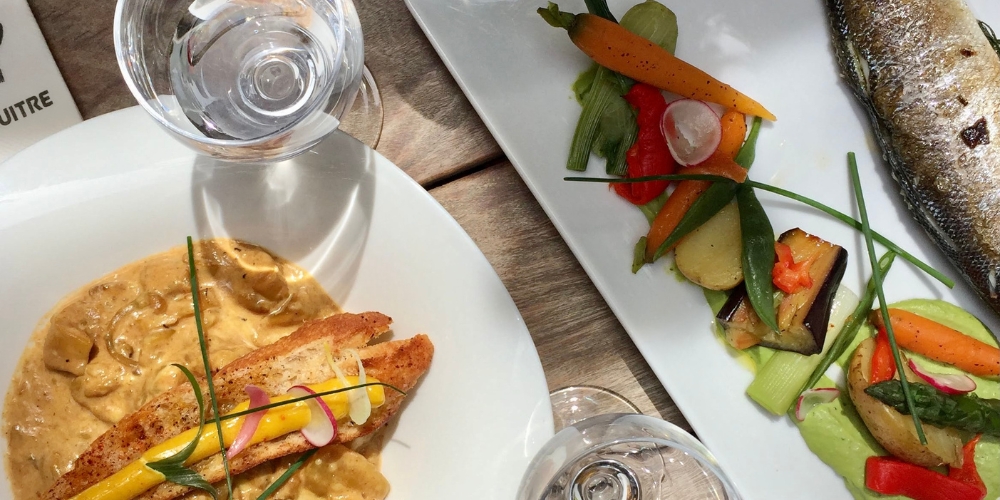
What sets this diet apart?
To keep things simple, here are just a few ways the Mediterranean diet promotes health and enhances fertility. While it’s often touted for its cardiovascular benefits, its impact on reproductive health is equally profound.
Inflammation and hormone support
The Mediterranean diet is primarily anti-inflammatory in nature, while also promoting effective weight management and blood sugar balance. This is crucial because inflammation, excess weight and uncontrolled blood sugar are frequently linked to endocrine (hormonal) conditions like PCOS and endometriosis, which can disrupt fertility potential.
The power of whole, seasonal foods
Like many traditional ways of eating, Mediterranean diets focus on whole, unprocessed foods, staying as close to nature as possible and eating in sync with the seasons. This approach ensures our bodies obtain the highest density of nutrients, as vitamins and minerals are most bioavailable when food is fresh and free from preservatives or additives.
Plus, think fiber. The abundance of fruits, vegetables, whole grains, pulses, nuts and seeds provides a significant amount of fibre and polyphenols (colourful plant compounds). These elements have been shown to have a transformative impact on our gut microbiome.
Gut health = reproductive health
The balance and diversity of our gut bacteria are the foundation of our overall health, dictating how we digest nutrients and regulate hormonal functions. When trying to conceive, looking at your gut health is a vital step.
In fact, research from the last decade reveals that our bodies host multiple microbiomes – on the skin, in the respiratory tract and within the reproductive organs. Interestingly, the health of our gut bacteria is highly correlated to the health of these other microbiomes, especially the genital tract, given their physical proximity.
Maintaining balance in the reproductive microbiome is essential for better fertility. Disruptions to this delicate ecosystem have been linked not only to uncomfortable symptoms like thrush and UTIs but also to an increased risk of infertility and miscarriage.

Fertility-boosting protein and produce
Beyond the Mediterranean diet’s broad spectrum of antioxidants (thanks to its focus on quality and seasonal produce) there are a few star foods worth spotlighting for their fertility-boosting properties:
- Tomatoes – Specifically, cooked tomatoes, found in sauces, roasted dishes, or tomato purée. They contain the antioxidant lycopene, which has been shown to support male fertility by improving sperm morphology. Just a portion of cooked tomatoes or two tablespoons of tomato purée a day can help enhance sperm quality.
- Olive oil – The holy grail of healthy fats. Olive oil is rich in polyphenols (beneficial for gut bacteria) and antioxidants, including vitamin E, which has been linked to better endometrial function and the production of healthy cervical mucus, helping sperm survive longer.
- Nuts and seeds – Think hazelnuts, walnuts, sunflower and pumpkin seeds. These are high in vitamin E, supporting both male and female fertility.
- Fish and seafood – Commonly enjoyed two to three times a week, especially in coastal regions. Oily fish and seafood are packed with omega-3 fatty acids, which research repeatedly shows are crucial for fertility. In particular, DHA supports healthy progesterone production, which is vital for uterine lining health and early pregnancy.

It’s more than food: the bottom line
If you’ve ever come across an image of the Mediterranean diet pyramid, you’ll notice that one of the foundations of this way of living isn’t actually food at all – it’s community.
Alongside this sits daily physical movement. While the importance of exercise has long been acknowledged, the community aspect – and the support that naturally comes from family and friends – inevitably took quite a blow in 2020.
Since the pandemic, we’ve re-learned how to build and maintain networks in the best ways we can. These networks can offer a place to be heard, to feel connected and understood and ultimately to feel more secure and less isolated.
Because healthy living isn’t just about nutritious food. The people we surround ourselves with are essential to our physical and mental wellbeing – and, in turn, to our fertility.
Milena Mastroianni is a UK Registered Nutritional Therapist and founder of Root and Leaf Nutrition, working with women and couples while they are trying to conceive and throughout pregnancy. She provides personalised nutrition and lifestyle advice to help optimise the chances of a healthy pregnancy.
Milena supports couples who may be struggling on their journey to parenthood, helping them rediscover the healing and nurturing power of real food.
Contact Milena for a consultation and an expert, individualised plan.