“I’m sick of women not being listened to”: Naga Munchetty on period pain, diagnosis, and talking to your GP
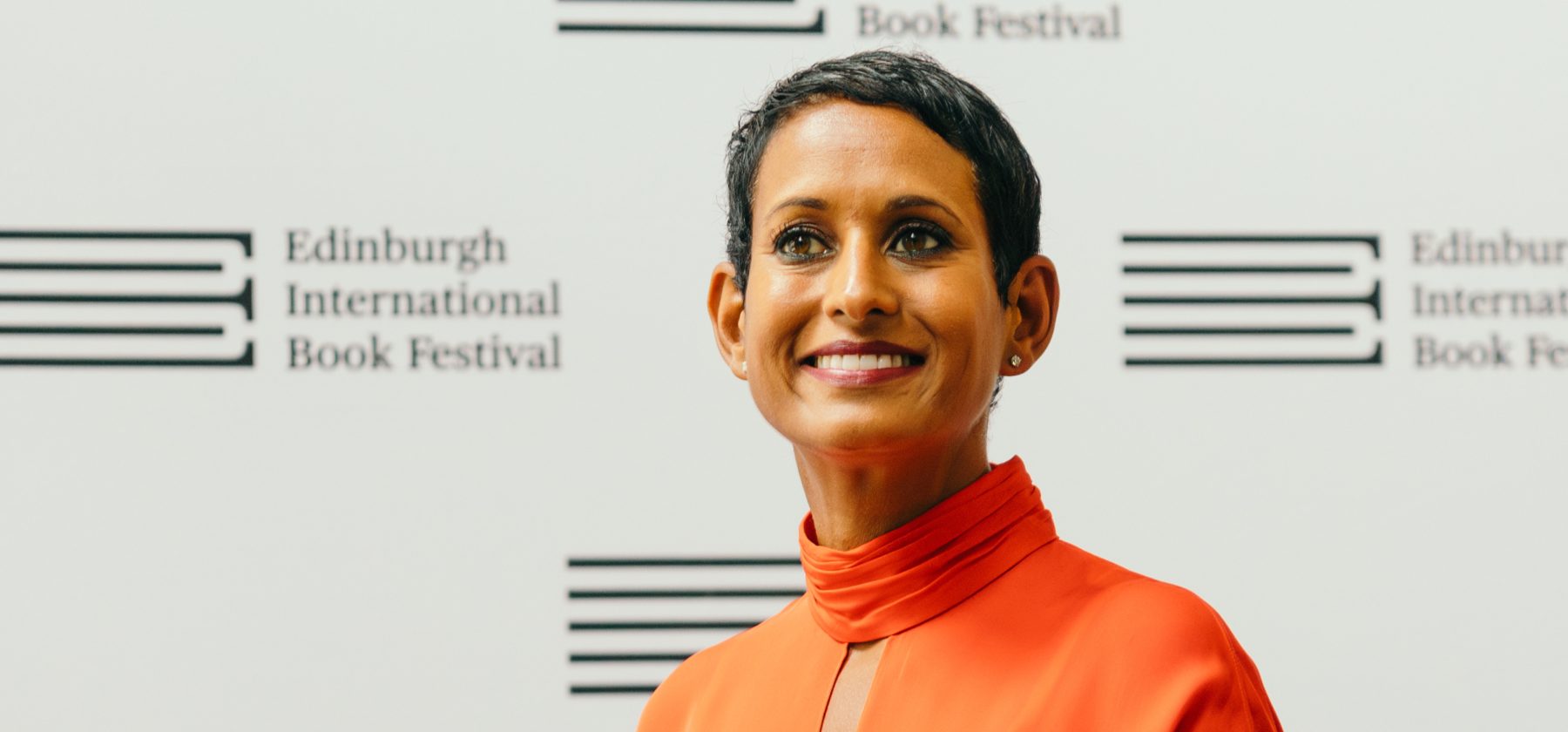
BBC presenter Naga Munchetty is known for her fearless interview style and crisp early-morning broadcasts. But in a powerful appearance on Woman’s Hour earlier this year, she turned her spotlight on something much more personal – the decades she spent living with undiagnosed adenomyosis, and what it took to finally be heard.
Her story is far from rare. In fact, it echoes the experiences of thousands of women navigating the UK’s overloaded healthcare system, particularly in areas like gynaecology and reproductive health. What makes Naga’s voice so vital, though, is the clarity and conviction with which she tells her story.
That, and the fact that she’s using her platform to push for change. Which she has – NHS guidelines on the offering of pain relief have shifted, thanks to Naga spotlighting the issue on her regular BBC 5Live show.
“I would pass out. I would vomit. I would still go to work.”
For years, Naga experienced extreme period symptoms that many listeners will immediately recognise: flooding, night-time alarms to change pads, vomiting, diarrhoea, and days of debilitating pain. “I would wear two pairs of knickers, always pack spare tights,” she recalled in her Woman’s Hour interview with Anita Rani. “And I am not uncommon. But just because it’s not uncommon, doesn’t mean it’s normal.”
From her teenage years into adulthood, Naga raised concerns repeatedly. But, like so many others, she was told it was “just part of being a woman”. She’d “grow out of it”, or things would “get better after having a baby” (spoiler, Naga does not have children) – advice that has been doled out to generations of women with no basis in evidence or science.
It wasn’t until her late 40s that Naga finally received a diagnosis: adenomyosis. A condition in which endometrial tissue grows into the muscular wall of the uterus, adenomyosis is often misdiagnosed as heavy periods, endometriosis or “just bad luck”. There’s no definitive cure. There’s also shockingly little research, and when you dig into it, it’s not hard to understand why.
It’s Probably Nothing
In her new book, It’s Probably Nothing: Critical Conversations on the Women’s Health Crisis, Naga puts this question at the heart of the issue. Drawing on hundreds of stories from other women, she highlights the systemic dismissal of gynaecological symptoms, especially those that don’t fit the textbook definitions.
In July 2024, over 750,000 women were on NHS waiting lists for gynaecology services. And while some of the pressure on the system is down to resources, the broader picture is one of underfunding, under-researching, and underestimating the impact of chronic female health issues.
A stark example? Pain relief. When Naga underwent a coil fitting (which she described as “horrific”), she was offered little to no support, just a vague instruction to take a couple of paracetamol. She passed out, twice, in the clinic. Her partner, hearing screams but unable to find her, panicked. But two paracetamol should have done the job, according to the guidance.
This episode became the turning point. On her BBC 5Live show, Naga shared her experience – reluctantly at first – and was inundated with messages from other women with similar stories. Their collective voices helped push for guideline changes: outpatient procedures now require stronger pain relief options to be offered.
Afterward, a friend texted Naga to say, they’d had a procedure and never been offered gas and air before – this time they were, and it was life-changing.
From diagnosis to daily life: what adenomyosis actually means
Unlike many health conditions that carry a clear treatment path, adenomyosis exists in a frustrating grey area. The symptoms can be severe: intense pain, fatigue, heavy bleeding. But the treatment options are limited. Hysterectomy is often presented as a ‘solution’, but as Naga points out, it’s not always appropriate. In her case, the suggested operation wouldn’t have resolved the problem, and would have triggered early menopause without addressing the root cause.
Instead, she now relies on hormone-suppressing treatments to manage the condition. It’s not ideal. “It’s not life-limiting,” she says, “but it is life-debilitating. I cannot be the best I can be.”
Many women in our community, particularly those navigating fertility questions or managing conditions like endometriosis, fibroids, PMOS (Polyendocrine metabolic ovarian syndrome), formerly known as PCOS, or adenomyosis, will recognise the toll this takes. It’s not just about physical symptoms, but about identity, relationships, and the emotional labour of constantly having to manage and ‘prove’ your pain.

Viral – the Naga Munchetty GP advice we now use (every. time.)
One of the most practical and empowering aspects of Naga’s story is the advice she shares for those heading to their GP with concerns. Drawing from both personal experience and insights gathered through writing her book, her approach is clear and actionable.
As she says, “You can ask for pain relief. There was a chapter in the book that I was really nervous about, because I thought – is this going to be patronising? Everyone knows how to book a GP appointment. But this is more about what you say. You make a list. You write down your concerns. You prepare. If it’s menstruation issues, you keep a diary. You track.
1. Be specific about impact
Use direct language. Naga says, “The best sentence I’ve found is – “this is negatively impacting the quality of my life”. You cannot ignore that. “I have had to take time off work, I am losing my job. I have been unable to care for my children.”
One woman told Naga she couldn’t walk her child to school, just 200 metres away, because of urinary incontinence. That’s the kind of detail GPs cannot ignore – and it’s detail, Naga says, which is crucial.
2. Track everything
Whether it’s bleeding, cramps, mood changes, or digestive symptoms, write it all down. Keep a diary or use a period tracking app. This evidence will help you advocate for yourself and make your case more compelling.
3. Ask for options
Don’t assume you have to endure pain because “that’s how it is”. You can ask for proper pain relief during procedures. Naga’s work has already contributed to changes in NHS guidance, and the more we ask, the more this momentum can build.
“When it comes to pain relief, you say “I am concerned about this pain, I have had this experience,” Naga says, “and they must offer you help.”
4. Prepare for your appointment
Bring your notes. Make a list. Practice what you want to say. And don’t leave until you feel you’ve been heard, and have a clear pathway forward.
Why it matters
For Gen Z, Millennials and Gen X in the UK, especially those exploring fertility, hormonal health or simply trying to get through the working week without being wiped out by their periods, this is more than a celebrity story. It’s a blueprint.
We’ve published our own guide to at-home hormone and fertility testing, which can be an empowering GP alternative and first step if you’re struggling to get answers. And while no test or tracker can replace good medical care, tools like these can help you gather insight and speak with confidence when the time comes.
As Naga says, this isn’t about blaming GPs. “They want to help. This just has to be a better partnership, so that you are listened to.”
Want to know more?
You can listen to Naga’s full Woman’s Hour interview here: BBC Sounds, 9 May 2024, get her book, It’s Probably Nothing: Critical Conversations on the Women’s Health Crisis (and How to Thrive Despite It), here and for more on reproductive health tools and testing, read at-home hormone testing – as good as the GP?
Final word – If something feels wrong, it probably isn’t “nothing”. Naga’s story is a powerful reminder to trust your gut, take up space in the GP’s office, and push back against the idea that pain is just part of the package of being a woman.
Header image credit: Wikimedia Commons // Lloyd Tudor BLloydT (talk | contribs)