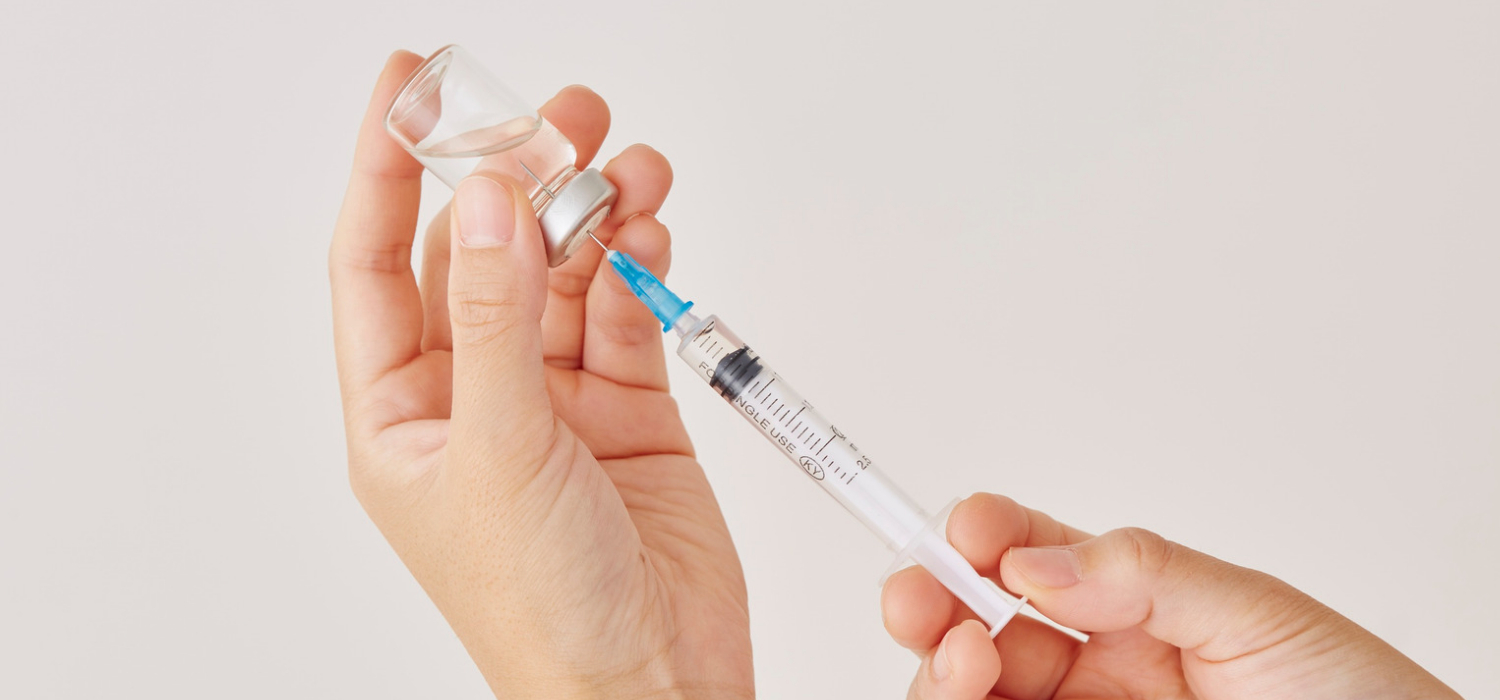

What happens after IUI, day by day? From symptoms to common questions, a doctor breaks it down


We know from very personal experience that the two-week wait following any kind of fertility treatment (including Intrauterine Insemination, also known as IUI) can feel endless. And if you’ve found yourself Googling things like “what happens after IUI day by day” or “what to expect after IUI,” we can totally relate.
To help us make sense of what’s going on during this time, we’re back partnering with The Prelude Network® – the largest and fastest-growing network of fertility clinics in the United States and Canada. Whether you’re single, in a partnership, and/or part of the LGBTQIA+ community, they believe everyone deserves the chance to become a parent when the time is right for them.
With expert insight from Dr. Jason Yeh, board-certified Reproductive Endocrinologist and Director of Patient Education at Aspire HFI in Houston (a Prelude Network clinic), here’s your day-by-day breakdown of what happens after an IUI — covering off symptoms, testing guidance and a few more common questions.
Over to Dr. Yeh.
What happens after an IUI? Here’s a mini-timeline
IUI stands for intrauterine insemination – a quick procedure where prepared sperm is placed directly into the uterus around ovulation. This shortens the distance sperm must travel compared to intercourse, which may improve the chances of reaching the egg.
Immediately following the procedure, the goal is for fertilization to take place in the fallopian tube, followed by the embryo moving to the uterus to implant. But what exactly might you feel, and when?
3 days after IUI
3 days after IUI, we’re early in the process, but a lot may be happening behind the scenes. If fertilization occurred, the embryo is likely in the “cleavage stage,” dividing from one cell into a small cluster. It may soon travel down the fallopian tube toward the uterus.
Implantation hasn’t happened yet, but your uterus is already preparing for it. Rising progesterone levels help build a thick, receptive uterine lining to create the right conditions for embryo implantation.
You probably won’t feel any pregnancy symptoms yet, so don’t read too much into how you’re feeling – or not feeling. Stick to gentle self-care, hydrate, eat nourishing foods, limit caffeine, and skip alcohol for now.
5 days after IUI
Day 5 after IUI is an interesting and hopeful point in the timeline. If an egg was fertilized, the embryo may now be a blastocyst – a fluid-filled ball of cells that’s ready to implant. It’s likely just arriving in the uterus or about to, and starting to “scope out” the endometrial lining.
At this point, the blastocyst may be getting ready to attach to the uterus. Think of it as pausing at the front door, deciding whether it’s the right moment to implant
You might feel a little bloated, tired, or crampy, or you might feel absolutely nothing. There is no “normal feeling” here, so go gently.
7 days after IUI (& beyond)
Day 7 after an IUI is still pretty early in the two-week wait, but some important things might be happening behind the scenes. By day 7, it’s possible (but not guaranteed) that implantation is starting.
There are no clear symptoms associated with confirmed implantation, and it’s definitely too early to test. But it’s not uncommon to experience light spotting, mild cramping or mood shifts at this point.
So how long after IUI does implantation occur, exactly?
Implantation after IUI usually happens between days 6 to 10 post-ovulation. We call this the implantation window, a specific time frame where the uterus is most receptive.
After this window, the chances of successful implantation decrease sharply. So the timing of ovulation and the readiness of the uterine lining are both critical. This is why fertility doctors time everything – meds, IUI, progesterone support – to optimize that implantation window.

What to expect after IUI, from symptoms to testing
Symptoms after an IUI can vary quite a bit from patient to patient, and they can definitely change from day to day.
Commonly reported symptoms include:
- mild cramping/bloating
- spotting
- pelvic fullness or pressure
- breast tenderness
- nausea
- frequent urination
- increased sensitivity to smells, and various food aversions
In general, there are many “common sensations” that patients experience. Everything from hormonal shifts, embryo implantation (if it occurs), and even feelings of stress can all play a role in how your body feels each day.
Cramping after an IUI – what’s normal?
Cramping after an IUI is fairly common and typically not a cause for concern. From a fertility doctor’s perspective, here’s what I often tell my patients.
Mild cramping can occur for a few reasons:
- The IUI procedure itself – Inserting the catheter through the cervix can sometimes cause slight irritation or uterine contractions, leading to cramping.
- Ovulation – If you were given a trigger shot like hCG or are ovulating naturally around the time of IUI, you might also feel ovulatory pain or discomfort around the 36–40 hour mark.
- Response to medications – If you took fertility medications (like clomiphene or letrozole), your ovaries may be a bit more active or enlarged, which can contribute to bloating or cramp-like sensations.
Most of the time, the cramping is short-lived, lasting a few hours to a day or two. Some light cramping post-IUI can actually be a reassuring sign that your body is responding to the treatment. Try to rest, stay hydrated, and avoid overthinking every symptom, if you can!
If patients are experiencing pain after IUI, what should they do?
A little pain after IUI is common, but severe pain is not.
If the pain is sharp, intense, or getting worse, it’s important to take it seriously. I would recommend that patients contact their clinic for any of these symptoms after an IUI:
- fever or chills
- heavy vaginal bleeding (more than a period)
- foul-smelling or unusual discharge
- dizziness or fainting
- persistent nausea or vomiting
Rest and avoiding strenuous activity are a good idea, as are using a heating pad on the lower abdomen, staying well hydrated, and using some over-the-counter pain relief like acetaminophen, as needed.
Note – Fertility specialists generally avoid NSAIDs like ibuprofen if you’re in the two-week wait unless your doctor advises otherwise. But of course, it’s always okay to call or message your care team. Here at Aspire HFI Houston, we’d rather hear from you and reassure you – or catch something early – than have you try to tough it out.
Can sperm fall out after IUI?
In a word, no. This is a fairly common patient question, but when an IUI is performed, we use a thin catheter to place a concentrated sample of motile sperm directly into the uterus, bypassing the cervix entirely. The sperm are already past the point where they’d “fall out” — they’re on their way toward the fallopian tubes.
It’s normal to experience some discharge after the IUI. What you might feel afterward is:
- seminal fluid residue from the catheter or left over in the cervix
- cervical mucus that was displaced during the procedure
- Saline solution or media used during the prep process
This leakage is totally normal and does not affect your chances of pregnancy.
Should you have sex after IUI?
There is a lot of mixed advice on the topic of sex after IUI. There’s no universal rule, but generally, this is what I recommend.
In most cases, it’s perfectly fine (and even encouraged) to have sex after an IUI. Some older studies even suggest that intercourse around the time of IUI might help by triggering uterine contractions that aid sperm movement or by helping create a more favorable immune environment in the uterus.
It can also be emotionally helpful – IUI can feel clinical, and intimacy can bring a sense of normalcy back to the process.
However, there are a few caveats:
- if the IUI was uncomfortable or painful, it’s okay to wait a day or two until you feel better.
- if you’re taking vaginal progesterone, things might feel a bit messier—using condoms can help keep things comfortable and clean.
- if there was significant bleeding, cramping, or signs of infection after the IUI, it’s best to check with your provider first.
The bottom line? Unless your doctor gives you a specific reason to avoid it, go ahead and have sex after your IUI. It won’t harm the chances of success – and might even help a little.
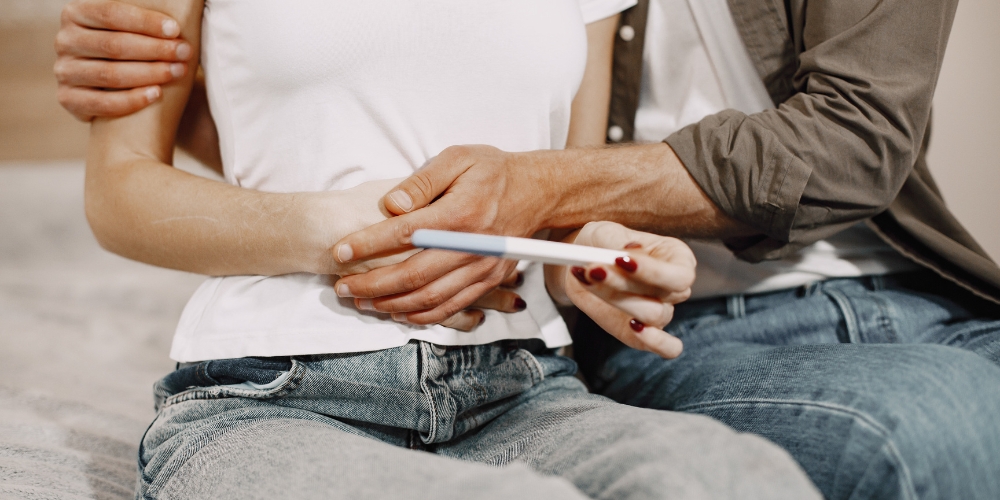
How soon after IUI can I test for pregnancy?
The best time to take a home pregnancy test is 14 days after the IUI.
That’s when hCG, the pregnancy hormone, would be detectable in urine – if implantation happened. While clinics usually give you a date to test, if you’re testing at home (which we generally don’t recommend), wait at least 12–14 days post-IUI to avoid false results, especially if you had a trigger shot.
Connect with The Prelude Network® to learn more about their services and find a clinic near you. Want additional support and empowering tips? Check out our library of resources in partnership with their team, starting here: Does follicle size matter? From IVF to IUI, age, twins & more, let’s ask