
Is rosacea an autoimmune disease? 5 niche, quick-fire FAQs answered by a derm

What is rosacea?
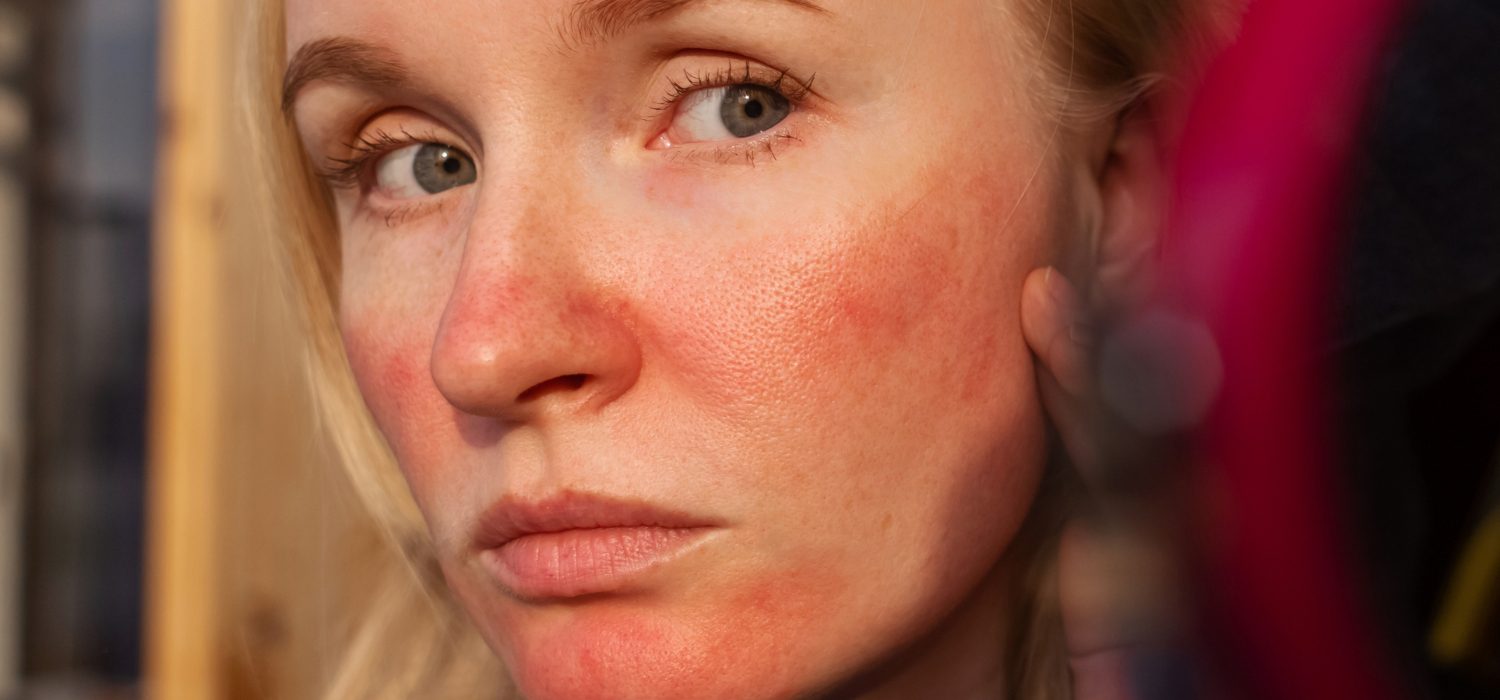
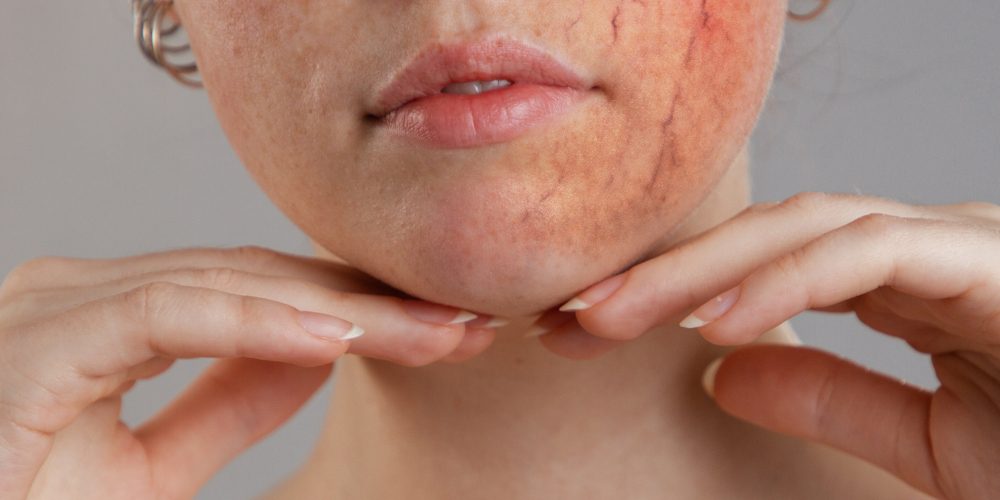
Rosacea is a chronic skin condition that mostly affects the face. It causes long-term redness, visible blood vessels, and sometimes small, pus-filled bumps or papules. If you have rosacea, your symptoms might flare up for weeks or months, and then fade away for a while.
This said, rosacea can raise a lot of questions, especially if your symptoms are flaring unpredictably, or overlap with other inflammatory skin conditions.
Searching up “is rosacea an autoimmune disease?” or wondering whether certain ingredients in your skincare routine are making it worse?
We caught up with Dr Björn Thomas, Harley Street dermatologist and founder of the Thomas Clinic, for a quick-fire FAQ.
Over to Dr Thomas.
Starting strong, is rosacea autoimmune?
Rosacea is not an autoimmune condition. This said, it is more complex than it was once thought to be. It was historically called “acne rosacea,” a term that has rightly been dropped.
The primary driver appears to be neurovascular dysregulation: nerve dysfunction in the skin that destabilises the facial blood vessels, which in turn triggers immune responses, producing the characteristic redness, papules and pustules.
There is a documented overlap between rosacea and anxiety and depression that does not seem to be simply a secondary response to having a visible skin condition.
Some research points to possible shared genetic factors contributing to this association, and this may partly explain why treatments targeting serotonin pathways can help both the skin and associated mood in some patients. This remains an active area of research rather than settled science.
Does it get worse with age?
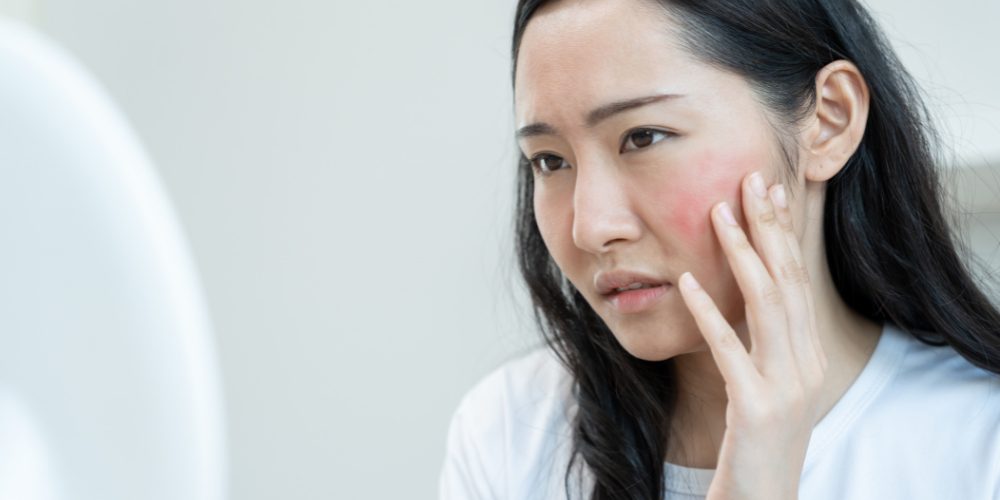
Rosacea typically presents in adulthood but can occur at any age.
In younger patients, inflammatory papules on the face are not always acne: rosacea and perioral dermatitis are both worth considering.
Seeing a specialist helps to distinguish these and gets patients onto the right treatment earlier.
Next question, what is the best prescription cream for rosacea?
It depends on your symptoms. The 2017 ROSCO consensus, led by Jerry Tan, moved away from the traditional four subtypes towards a phenotype-based approach.
A diagnosis can be confirmed by persistent skin thickening, typically of the nose; or alternatively, two of the following major features are sufficient: flushing, papules and pustules, telangiectasia (or “spider veins”), or ocular involvement.
For controlling inflammation, there are three main topical options:
- Azelaic acid (15% gel or 20% cream): suitable for use across the broader affected area; allow around three months to reach full effect
- Metronidazole gel: an antibiotic used here for its anti-inflammatory properties rather than to kill bacteria
- Ivermectin 1% cream (Soolantra): effective as an intensive treatment, with the option to step down to metronidazole or azelaic acid for maintenance
When control is proving difficult, I often start patients on oral antibiotics alongside topicals, using them for their anti-inflammatory properties rather than as antibiotics in the traditional sense. A course of six to twelve weeks is usually enough to gain control, after which topicals can maintain things.
For residual redness once the inflammation is settled, vasoconstrictive creams are available but can cause rebound flushing when they wear off, sometimes leaving the skin redder than before.
Laser, intense pulsed light (IPL) or pulsed dye laser tend to offer more durable results. There is also evidence that IPL across the cheeks can help with ocular rosacea symptoms, which is worth knowing.
Is retinol good for rosacea?
I would generally avoid it.
Rosacea-prone skin is often reactive and sensitive, and retinol is likely to cause irritation and make things worse.
Finally, can rosacea be passed to others?
No. Rosacea cannot be passed to others.
The impact on confidence and quality of life can be significant though, and given how many effective treatments are available, I would encourage anyone struggling to seek specialist input.
Rosacea FAQs, at a glance
Q: Is rosacea an autoimmune disease?
A: No. It is driven by neurovascular dysregulation and inflammation rather than autoimmune activity.
Q: What is the best prescription cream for rosacea?
A: There isn’t one best option. Azelaic acid, metronidazole and ivermectin are all used depending on severity and symptom type.
Q: Does rosacea get worse with age?
A: It can become more persistent if untreated, but progression is not inevitable. Early management helps stabilise it.
Q: Is retinol good for rosacea?
A: Usually not. It can irritate sensitive skin and worsen redness. In some cases it may help, but it is recommended to speak to your dermatologist.
Q: Is rosacea contagious?
A: No. It is not infectious and cannot be transmitted.
Scroll and save – here’s what’s trending in TRB’s skincare section right now
Looking to dig into the hormonal, inflammatory and lifestyle factors shaping your skin health?
With expert-backed guidance and first-person experiences leading the way, here’s what people are bookmarking right now.
- Hear more from Dr Björn Thomas: Moles vs freckles, the important difference, and how to spot when something’s not right
- A hormonal acne story: How I learned to manage hormonal acne naturally in my 20s (after saying no to hormonal treatments)
- Perimenopausal pruritus: It’s not a thing, until it’s a thing: perimenopausal pruritus (we see you, read this 101)
- Doctor-approved, PMOS (Polyendocrine metabolic ovarian syndrome), formerly known as PCOS-proof: Why your PCOS skincare routine needs more than a two-step cleanse approach