

Omega-3s & fertility: His, hers + the science behind it all (2026 briefing, from Zita West)

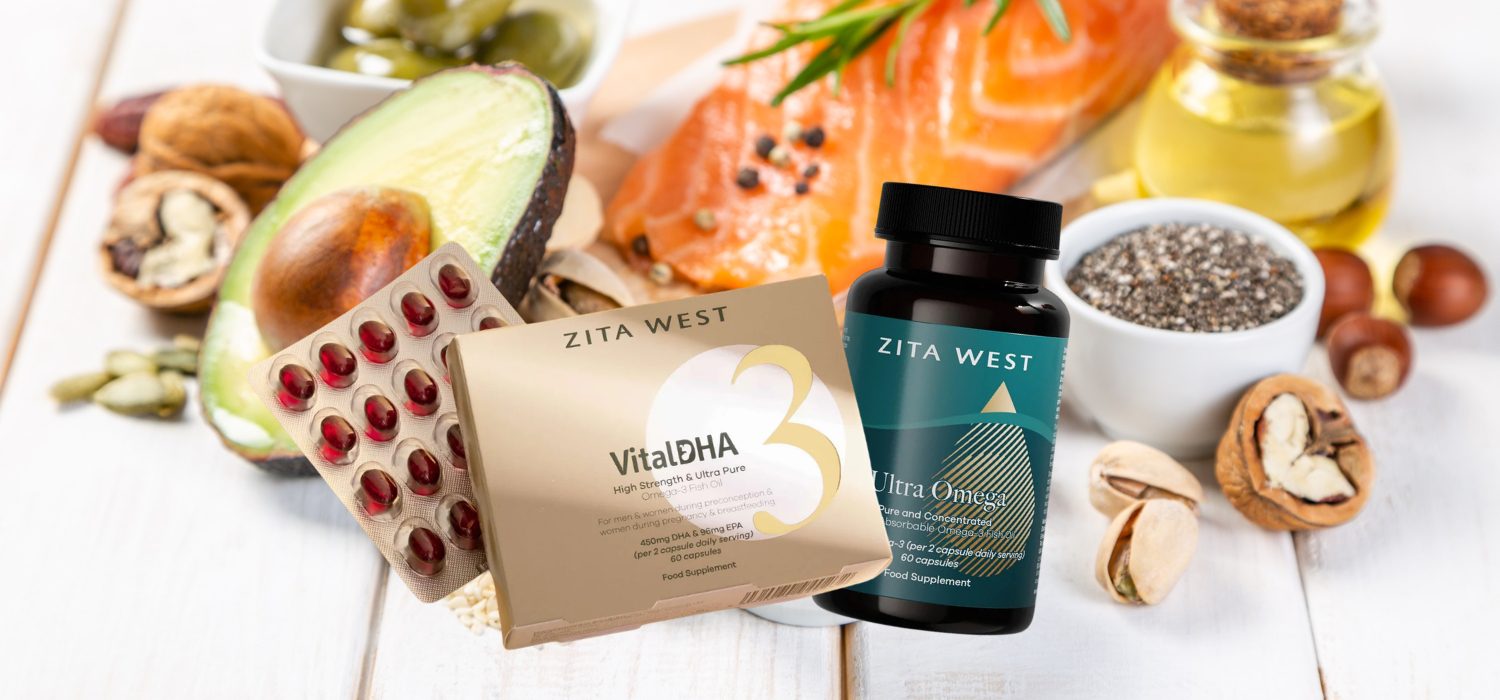
Omega-3 has long been considered one of the foundational nutrients in fertility nutrition. But what does the latest research actually tell us about its role for egg quality, sperm health and pregnancy? Are we still as into it, as we were 10 years ago?
Spoiler, yes.
In this expert-led guide, fertility nutritionist Isabelle Obert shares the science behind omega-3 and fertility, alongside practical guidance drawn from her work with Zita West.
With more than two decades of experience supporting couples through natural conception, IVF and pregnancy, Isabelle believes nutrition can play a powerful role in reproductive health. “Many people don’t realise the importance of omega-3 for all aspects of fertility, pregnancy and postpartum,” she explains. “It’s extremely hard to achieve optimal levels through diet alone.”
Powered by the research-led formulations from Zita West Products, this briefing unpacks the latest evidence on omega-3 for fertility – for both men and women – and explores how targeted supplementation can support the reproductive journey before, during and after pregnancy.
Looking for the Zita West discount code? TRB readers get 10% off the entire Zita West supplement range (US and UK), with code TRB10* at checkout.
FOUNDATIONS
Why is omega-3 still a cornerstone nutrient for fertility?
Omega-3 fatty acids, particularly EPA (eicosapentaenoic acid) and DHA (docosahexaenoic acid), are essential structural and functional fats that the body cannot make in meaningful amounts on its own. In a fertility context, they matter on multiple levels: they support healthy hormone production, regulate inflammatory pathways, improve blood flow to the reproductive organs and are critical to the development of healthy eggs and sperm.
Once pregnancy is established, they become vital for a growing baby’s brain and nervous system. We’ve recommended omega-3 as a foundational fertility nutrient for over two decades, and the research has continued to underpin this.
At Zita West, we offer two omega-3 supplements specifically formulated for the fertility journey. Here’s a quick break-down of which is which, helping you pick and choose:
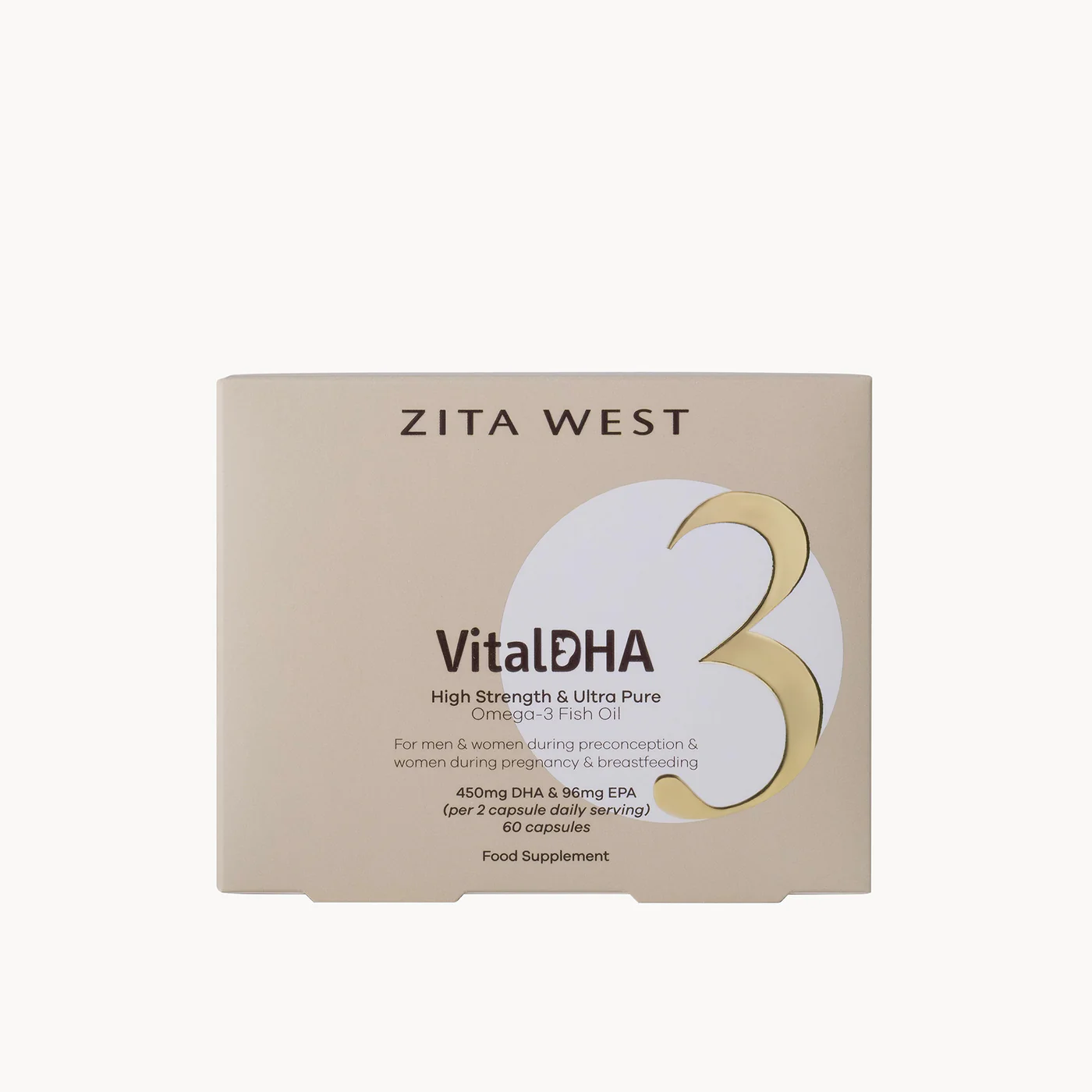
Vital DHA delivers molecularly distilled DHA and EPA from deep-sea oily fish in what is known as the triglyceride form.
Think of this as the traditional, well-established form of fish oil, highly purified and rigorously tested.
It is our everyday, foundational omega-3, suitable for both men and women from preconception right through pregnancy and breastfeeding.
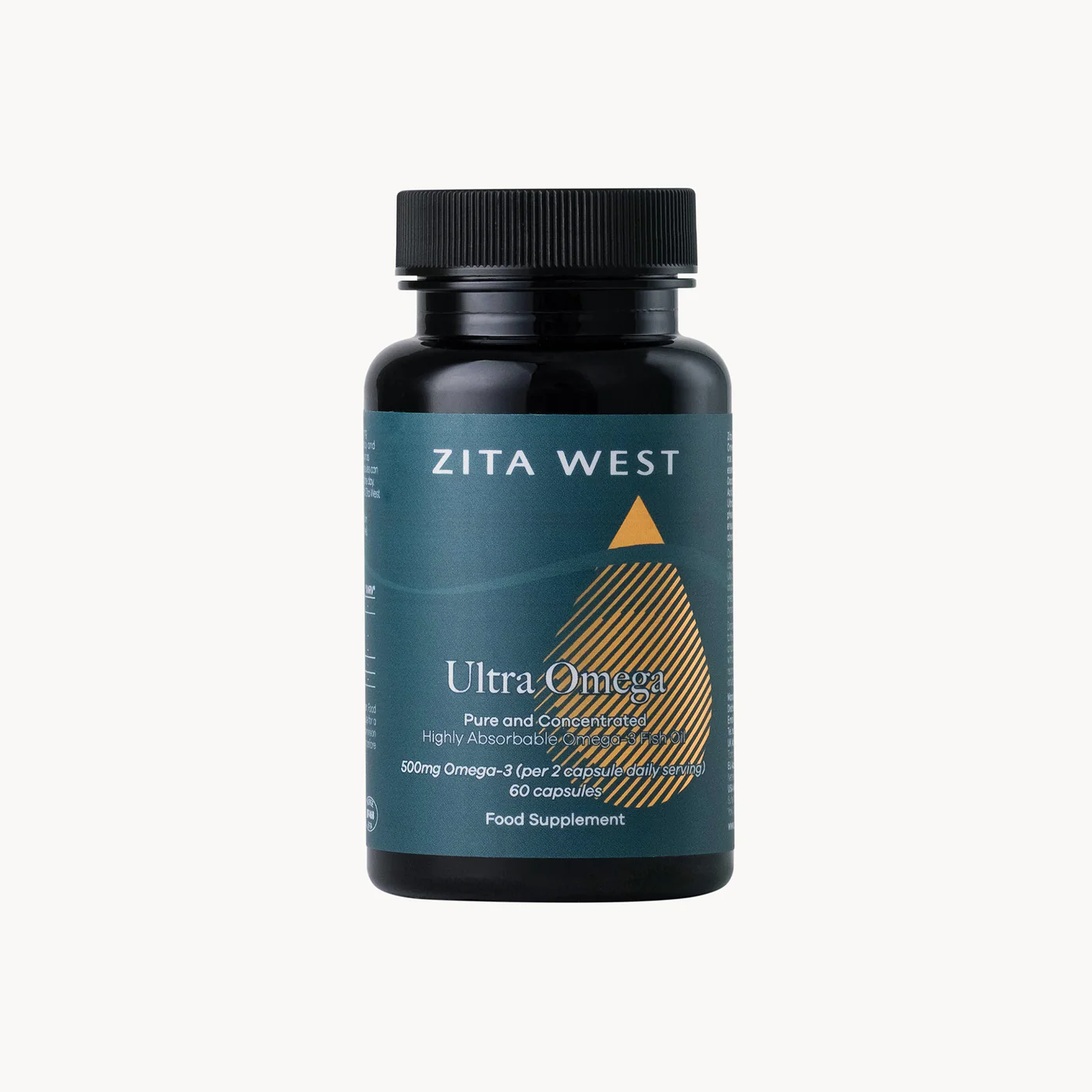
Ultra Omega delivers EPA and DHA in the phospholipid form, sourced from wild herring roe from the clean waters of Norway. This distinction matters because phospholipids are the same type of fat molecule that makes up every cell membrane in your body, including those of your eggs and sperm.
Because your body already recognises and uses this form, it is absorbed particularly efficiently and tends to be very well tolerated, with no fishy aftertaste. Ultra Omega also contains naturally occurring choline, which plays its own important role in fertility and early foetal development.
It is particularly suited to women where inflammation is a significant concern, such as those with PMOS (Polyendocrine metabolic ovarian syndrome), formerly known as PCOS or endometriosis, and to those going through IVF.
The easiest way to think about it: Vital DHA is the gold standard starting point for most people trying to conceive. Ultra Omega is the step up for those who need more targeted anti-inflammatory support, or who may benefit from enhanced absorption.
Not sure where to start? We offer free 1:1 fertility product consultations with our Zita West fertility nutritionists. They have decades of experience helping individuals and couples achieve their fertility goals and can help guide you to make informed choices about what may be best for you.
Resident fertility nutritionist Isabelle Obert rounds off our foundational info, noting:
“Ultra Omega is particularly recommended where inflammation may be an issue or for older women, because omega-3 may delay ovarian aging and will help to support egg quality – due to it being such a highly absorbable form.”
What does the latest research show?
The science around omega-3 and fertility has moved on a lot in recent years, and it continues to back up what we have always believed: that getting your omega-3 levels right before you start trying for a baby is one of the most important things you can do nutritionally.
For women, studies show that those with higher omega-3 levels in their blood are more likely to conceive, whether naturally or through IVF. A 2024 meta-analysis of nearly 4,400 women found a consistent pattern: across both natural conception and IVF cohorts, women who went on to conceive had measurably higher omega-3 levels than those who did not, and the majority of IVF studies included showed better pregnancy rates in women with higher omega-3 status.
For men, a 2019 review of 16 studies found that in 14 of them, men who had higher omega-3 intake had better sperm quality, whether that was in terms of how well sperm moved, how well they were shaped, or how many there were. The benefit was most noticeable in men who already had some challenges with sperm quality. This body of evidence has only continued to grow.
On inflammation, perhaps the most exciting recent development for us relates directly to Ultra Omega. A large clinical trial published in 2024 followed over 500 people taking a phospholipid-bound herring roe omega-3, the same type of oil used in Ultra Omega, for a full year. It measured something called the Systemic Immune-Inflammation Index, which is essentially a score from a routine blood test that shows how much background inflammation is running in your body.
The result was a 25% reduction in that inflammation score compared to a placebo group.
Why does that matter for fertility? Because we now know that higher levels of this background inflammation are linked to lower chances of an embryo implanting successfully, higher miscarriage risk and poorer IVF outcomes. Bringing that inflammation down is not just good for general health, it may directly improve your chances of getting and staying pregnant.
The research is also making it clearer than ever that timing matters. Omega-3 builds up gradually in your cells over weeks and months. Starting early, ideally at least three months before you begin trying, gives your body the best chance of having the levels it needs when it counts most.
The research picture for pregnancy and the postnatal period is equally compelling. DHA in particular has been studied extensively for its role in fetal brain and eye development, and the evidence is strong enough that DHA is now one of very few nutrients with an official EU health claim specifically for pregnant and breastfeeding women.
A 2018 Cochrane review (one of the most thorough types of evidence review available) found that omega-3 supplementation during pregnancy was associated with a reduced risk of premature birth, including early preterm birth before 34 weeks. More recent research has also looked at the postnatal period, where low omega-3 levels after birth have been linked to a higher risk of low mood and postnatal depression.
This makes sense biologically: the baby draws heavily on the mother’s DHA reserves throughout pregnancy and breastfeeding, which is why maternal levels can become significantly depleted by the time a baby arrives. Continuing omega-3 supplementation after birth supports the mother’s own recovery and mood, as well as the quality of her breast milk for her baby’s ongoing brain development.
This is a nutrient that does not stop being important the moment you get a positive test. If anything, the demand for it increases. Isabelle adds,
“People with high levels of omega-3 are more likely to get pregnant. It also improves and supports sperm quality and is essential during pregnancy to support both maternal health and fetal development.”
Which fertility markers are we looking at?
The most consistently supported markers include sperm motility and morphology in men, egg quality and ovarian response in women, uterine blood flow and endometrial receptivity, and inflammatory markers relevant to implantation. Omega-3 also appears to support cycle regularity in women with PCOS, likely through its anti-inflammatory and insulin-sensitising effects.

MALE FACTOR
Notes on sperm motility, morphology and DNA fragmentation
DHA is the most abundant fatty acid in the sperm cell membrane and plays a direct structural role in how sperm function. It is essential for the fluidity and flexibility of the sperm tail, which directly affects motility, and for the membrane changes that need to happen for a sperm to successfully fertilise an egg.
Studies have found that men with poor sperm parameters tend to have lower DHA levels in their sperm, and that supplementation can support improvements in both motility and morphology over a 10 to 12 week period, which reflects a full sperm production cycle. There is also emerging evidence that omega-3 may help reduce sperm DNA fragmentation, an area of growing clinical interest, particularly for couples experiencing unexplained infertility or recurrent miscarriage.
It is thought that over 40% of subfertility cases now involve a male factor, and DHA deficiency may be a contributing influence in a significant number of those cases. This is one of the reasons we recommend omega-3 supplementation as standard for men trying to conceive.
What dosage is best for male fertility?
For men trying to conceive, getting a consistent, reliable daily dose of EPA and DHA is what matters most. We have two products designed to support this, depending on your needs.
Vital DHA is our foundational omega-3 for men trying to conceive. Per daily serving it provides:
450mg DHA | 96mg EPA | 3mg zinc
The zinc is an important addition here, supporting testosterone production, sperm count and morphology alongside the omega-3.
Ultra Omega is our more targeted option, particularly suited to men where inflammation or sperm DNA fragmentation is a concern. Per daily serving it provides:
340mg DHA | 110mg EPA | 320mg phospholipids | 40mg choline
The key difference is the form. Ultra Omega delivers its EPA and DHA bound to phospholipids, the same type of fat your cell membranes are made from. Because of this, the body absorbs and uses it particularly efficiently, meaning more of what you take actually reaches the cells that need it.
Both products are third-party tested for purity and free from heavy metals and contaminants.
Food-first, supplementation, or both?
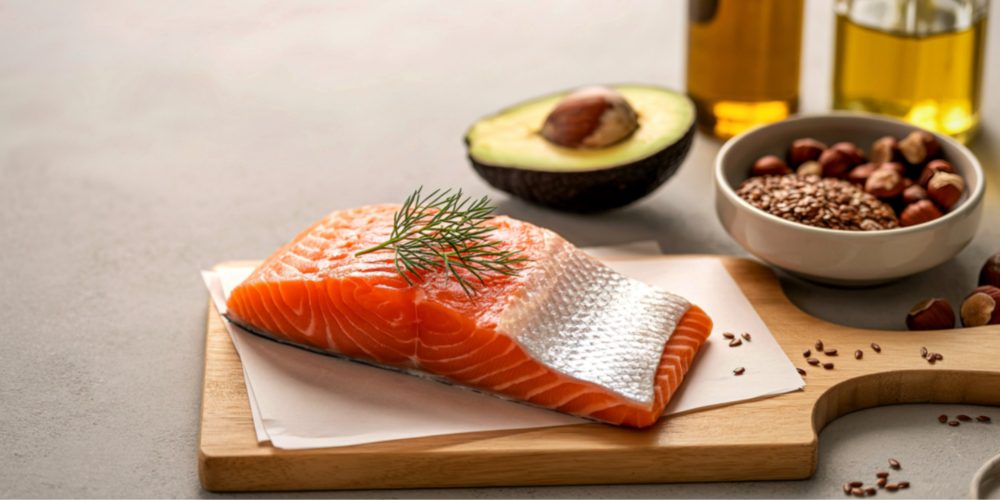
In an ideal world, you would get everything you need from food alone – and oily fish is one of nature’s best sources of EPA and DHA. A 143g fillet of herring provides around 3g of combined EPA and DHA, mackerel delivers around 4.5g, and salmon around 2 to 3g. If you were eating a generous portion of oily fish every single day, you would be getting close to what the research suggests is beneficial for sperm health.
But here is the reality: to meaningfully support male fertility through diet alone, you would need to be eating oily fish at that kind of frequency, consistently, for months. To put the herring roe angle into context, given that Ultra Omega is derived from Norwegian herring roe, one of the most concentrated omega-3 sources available, you would need roughly a teaspoon of it daily to match a single serving of the supplement. Most men are not eating that.
This is where supplementation becomes not just convenient, but important. Sperm takes an average of 74 days to develop from start to finish, which means the nutritional environment your body is in right now is directly shaping the sperm that will be ready three months from today.
Starting a quality omega-3 supplement at least three months before you begin trying gives that full cycle of sperm development the support it needs from the very beginning.
Isabelle adds, “You cannot go back and optimise sperm that has already been produced. What you do now is what matters. Where omega-3 is concerned, it is very hard to get enough through diet alone. I would always recommend both food and supplementation.”
Can we pair omega-3 with other antioxidants (e.g CoQ10)?
Sperm are particularly vulnerable to oxidative stress, which is essentially damage caused by unstable molecules called free radicals. This kind of damage can affect how well sperm move, how well they are shaped – and critically, the integrity of the DNA they carry. When sperm DNA is damaged, it can affect fertilisation, embryo quality and the risk of miscarriage, even when a pregnancy does occur.
Omega-3 plays an important structural role in sperm cell membranes, but it works best when the body has strong antioxidant defences around it. Alongside omega-3 and a good male fertility multivitamin like Vitamen, targeted antioxidants help to actively neutralise those free radicals before they can cause damage, support the energy production that powers sperm motility, and protect sperm DNA through the full 74-day development cycle.
For men who want that additional layer of antioxidant support, we recommend the following, depending on your starting point:
Vitamen Boost is our high-strength antioxidant complex, combining vitamins C and E, beta-carotene and alpha lipoic acid (ALA). It is designed to sit alongside the Vitamen multivitamin as a booster, and is particularly relevant for men who have had a poor semen analysis, elevated DNA fragmentation, or who are preparing for IVF.
Vitaseed Pro is our premium antioxidant powder, and the option we reach for when men need more targeted support for low sperm count, poor motility or a high proportion of abnormally shaped sperm. It delivers vitamin C, CoQ10, N-acetyl L-carnitine, L-arginine, D-aspartic acid and ginseng in an easy-to-mix orange powder, providing both antioxidant protection and the amino acid building blocks that sperm need for healthy structure and movement.
Kaneka Ubiquinol CoQ10 specifically addresses the energy side of the equation. Sperm require significant energy to function, and CoQ10 fuels that energy production at a cellular level while simultaneously acting as an antioxidant to protect sperm DNA. We use the active ubiquinol form, which has around 70% higher bioavailability than standard CoQ10, meaning it gets to work faster and more efficiently. For men with motility concerns or those going through IVF, this is one we would advocate for strongly.
Book a free 1:1 consultation with one of our fertility nutritionists, to double-check which formula or combination/stack is the right starting point for your goals and situation.
FEMALE FACTOR
Notes on omega-3 support for egg quality and implantation
DHA is a key structural component of the egg cell membrane and plays a role in the maturation of eggs and their response to fertilisation. Higher omega-3 status has been associated with better embryo quality and higher rates of successful fertilisation in IVF studies.
For implantation, omega-3 supports uterine blood flow and helps modulate the immune environment of the uterus, both of which are important for an embryo successfully embedding. There is also evidence suggesting omega-3 may support corpus luteum function in the luteal phase, which is relevant to progesterone production and early pregnancy maintenance.
Eight out of ten women enter pregnancy deficient in this essential fatty acid. That statistic still surprises many of our clients, but it underlines why we are so clear on this point: omega-3 is not optional in a fertility nutrition plan, it is foundational.
Re inflammation and subfertility – how can omega-3 help?
Chronic low-grade inflammation is a thread running through many of the most common fertility challenges we see in women, including PCOS, endometriosis, thyroid dysfunction and unexplained infertility. In endometriosis, inflammatory molecules called prostaglandins drive both the progression of lesions and the hostile environment they create for eggs and implantation. In PCOS, systemic inflammation intersects with insulin resistance to disrupt ovulation and hormonal balance.
Omega-3 fatty acids work against inflammation in several ways. They are converted in the body into compounds called resolvins and protectins, which actively calm the inflammatory response rather than just dampening it temporarily. They also become part of your cell membranes, helping cells respond less aggressively to inflammatory triggers in the first place.
This is not a quick fix, it is a gradual, structural shift in how your body manages inflammation.
This is where the form of omega-3 you take becomes particularly relevant. The phospholipid form found in Ultra Omega is the same structural type as the fats that make up cell membranes, which means it is taken up by cells more readily. Because of this, it may deliver greater anti-inflammatory benefit, particularly for women where inflammation is a significant driver of their fertility challenges.
Clinical research on a phospholipid-bound herring roe omega-3, the same type used in Ultra Omega, found a 25% reduction in a key marker of systemic inflammation over 52 weeks. For women managing PCOS, endometriosis or a history of implantation failure, that level of support can make a meaningful difference to the environment in which eggs are developing and in which an embryo needs to implant.
For women without significant inflammatory concerns, Vital DHA in the triglyceride form provides excellent, well-evidenced DHA and EPA support. But if inflammation is part of your picture, Ultra Omega is where we would direct you.
What dosage is best for female fertility?
Both Vital DHA and Ultra Omega are designed to support you across the entire reproductive journey, from preconception through pregnancy and beyond, and both deliver a clinically meaningful daily dose of EPA and DHA in just two capsules a day. There is no complicated dosing schedule to follow, just a simple, consistent daily habit that works at every stage.
Vital DHA is our foundational recommendation for most women, delivering 450mg of DHA and 96mg of EPA per daily serving alongside zinc, in an ultra-pure, molecularly distilled form that is well tolerated and easy to take every day.
For women with PCOS, endometriosis or a history of poor IVF response, Ultra Omega is our more targeted choice.
Both products are backed by clinical research, independently batch-tested for purity, and designed to be taken consistently from at least three months before you begin trying.
Book a free 1:1 consultation with one of our fertility nutritionists, to double-check which formula or combination/stack is the right starting point for your goals and situation.
For a quick guide, Isabelle says “For Zita West Products we would suggest being guided by the recommended doses. Anyone with inflammatory conditions including endometriosis and PCOS would benefit particularly from Ultra Omega over Vital DHA. I would also recommend Ultra Omega to women who are not used to taking omega-3 – it’s highly absorbable, so the benefits may be seen more quickly.”
When should women begin supplementation?
Ideally, at least three months before trying to conceive, and earlier is always better. Egg development (folliculogenesis) takes around 90 days, so the nutritional environment during that time directly influences egg quality. Beginning omega-3 supplementation three to six months before trying gives the body time to build up tissue levels properly, and means you’re in the best possible position from the very start of your conception journey.

PREGNANCY
Do you recommend continuing omega-3 during the two-week wait (and in pregnancy)?
Isabelle says, “yes, absolutely. DHA is essential to support the developing fetus, particularly for brain and retina development.”
The two-week wait is a biologically active time: implantation is happening, early cell division is underway, and the embryo has significant nutritional needs. This is not a time to pause omega-3 intake.
DHA is especially important during pregnancy to support your baby’s normal brain and eye development, so we generally recommend continuing supplementation; however, this should always be done under the guidance of your healthcare professional, particularly if you have any existing medical conditions, are taking medication, or there are other complicating factors. In a nutshell, chat with your doctor before making any changes.
Does dosing change once pregnant?
The good news is that there is no need to overhaul your routine once you get a positive test. We recommend continuing with two capsules of either Vital DHA or Ultra Omega daily throughout pregnancy, providing the DHA that is critical for your baby’s developing brain and eyes, and the EPA that supports your own inflammatory balance and cardiovascular health across all three trimesters.
What we would add in alongside your omega-3 is a trimester-specific multivitamin. Our Vital Essence range has been formulated to meet your body’s changing nutritional needs at each stage of pregnancy, and each contains the NHS-recommended 400mcg of folate. Rather than a one-size-fits-all prenatal supplement, Vital Essence 1, 2 and 3 are designed to deliver the right nutrients at the right time, from the early foundations of organ development through to the final weeks when your baby is growing rapidly.
We would also recommend considering vitamin D throughout pregnancy, as deficiency is common in the UK and it plays an important role in immune function, bone development and healthy cell division.
And for women who are not already taking Ultra Omega, which contains naturally occurring choline, it is worth thinking about choline intake during pregnancy, specifically. Demand for choline increases significantly as pregnancy progresses, given its role in fetal brain and spinal cord development, and it is a nutrient many women are not getting enough of from diet alone.
The big FAQs
Omega-3-6-9 – what should we know for fertility?
Omega-6 and omega-9 are worth understanding in a fertility context. Omega-6 fatty acids, found abundantly in vegetable oils and processed foods, are pro-inflammatory at high levels, and most Western diets are heavily skewed toward omega-6.
Omega-9, the oleic acid found in olive oil, is monounsaturated and broadly supportive of cardiovascular health. The key message for fertility is ratio: reducing omega-6 relative to omega-3 is often more impactful than simply adding omega-3. We would be cautious about all-in-one omega-3-6-9 products for fertility purposes. The addition of omega-6 is rarely necessary for most people and can work against the anti-inflammatory benefits you are supplementing omega-3 to achieve.
Isabelle clarifies here, “I’d always recommend omega-3 supplementation as it’s hard to achieve optimal intake via diet. Omega-6 and 9 are easily obtainable via diet.”
Can I take omega-3 and vitamin E together for fertility?
“Yes,” says Isabelle, “in fact, vitamin E may help maintain the integrity of omega-3 by reducing oxidation of the fats.”
Vitamin E is a fat-soluble antioxidant that works synergistically with omega-3, helping to prevent the oxidation of polyunsaturated fats both in the supplement capsule and in the body. Vitamin E also has its own fertility credentials: it supports endometrial receptivity and has antioxidant effects relevant to both egg and sperm quality.
Both Vital DHA and Ultra Omega include tocopherols, a natural form of vitamin E, to protect the integrity of the oil.
What defines a “fertility-grade” omega-3, and what should we look for?
Here is what we look for at team Zita West, and what we would recommend parents-to-be think about, when choosing.
Purity and testing: the supplement should be tested for heavy metals including mercury, lead and cadmium, as well as environmental contaminants. Both Vital DHA and Ultra Omega are independently batch-tested for purity, and we make those certificates available so you can check for yourself. Ultra Omega’s herring roe oil is additionally certified by Friends of the Sea, verifying sustainable sourcing.
Form: most standard fish oil supplements use the ethyl ester form, which is cheaper to produce but less well absorbed. Vital DHA uses the triglyceride form, which is significantly more bioavailable. Ultra Omega goes a step further with the phospholipid form, which the body absorbs most readily of all, and which may be particularly beneficial for those where absorption or inflammation issues are part of the picture.
EPA and DHA dose: always look for a supplement that clearly states the exact milligrams of EPA and DHA on the label, rather than just listing a total fish oil figure. A reputable brand will be transparent about exactly what each serving delivers and why.
Freshness: oxidised fish oil is not just less effective, there is evidence it may be counterproductive. A good product will include antioxidants to protect freshness.
Omega-3 foods: can diet alone realistically meet therapeutic fertility needs?
In an ideal world, yes. And we would always encourage both partners to eat oily fish regularly – think salmon, mackerel, sardines, anchovies and herring, as a genuine and valuable contribution to their omega-3 intake. Eggs from omega-3 enriched hens and some fortified foods add smaller amounts, too.
The honest answer though is that for most people, diet alone does not consistently deliver the levels that research shows are meaningful for fertility. As we’ve touched on, you would need to be eating oily fish in significant quantities, multiple times a week, every week, for months. Real life rarely looks like that.
It is also worth noting that the FSA advises women who are pregnant or trying to conceive to limit their consumption of certain fish, including fresh tuna, due to mercury levels. Both Vital DHA and Ultra Omega are produced through rigorous purification and molecular distillation processes that remove heavy metals and contaminants entirely, so you get the benefits of marine-sourced omega-3 without any of those concerns.
For plant-based sources, walnuts, flaxseed, chia and hemp all provide ALA, but as we cover in the vegetarian and vegan guidance below, the body converts very little of this into the EPA and DHA that are biologically active for fertility.
ZW gold standard guidance for vegetarians and vegans
If you follow a plant-based diet, getting enough of the right omega-3s for fertility requires a little more thought, but it is absolutely achievable with the right approach.
The plant-based sources most people reach for – flaxseed, chia seeds, walnuts and hemp – all provide a type of omega-3 called alpha lipoic acid (ALA). Walnuts are a great plant source example, with a small handful of around 14 halves providing 2,570mg of ALA.
That sounds impressive until you factor in the conversion problem: the body converts only around 5% of ALA into EPA and less than 4% into DHA. Which means that same handful of walnuts delivers somewhere in the region of 100mg of EPA and as little as 50 to 100mg of DHA, at best.
To put that into context, a single daily serving of Vital DHA provides 450mg of DHA and 96mg of EPA. You would need to eat walnuts by the bagful every single day to come close to matching that – and even then, consistency of conversion cannot be guaranteed.
Our gold standard recommendation for plant-based eating is algae-derived EPA and DHA supplementation, and this is not a second-best option. Algae is actually the original source of omega-3 in the marine food chain – fish are rich in EPA and DHA precisely because they eat algae. An algae-based supplement goes straight to the source, delivering EPA and DHA directly without any conversion required, and without any of the sustainability or contamination concerns associated with fish.
We would encourage any vegetarian or vegan parent-to-be to seek out a high-quality algae-derived EPA and DHA product, and have a conversation with one of our nutritionists about the right dose for their stage of the journey.
SAFETY
Key contraindications
The most important contraindication to be aware of is anticoagulant (blood-thinning) medication, including warfarin, heparin and low molecular weight heparins such as tinzaparin and enoxaparin, as well as newer anticoagulants.
Omega-3 has mild blood-thinning properties and at higher doses may potentiate the effects of these drugs, increasing bleeding risk. This is an area where we would always defer to your healthcare practitioner.
Isabelle confirms, “If on anticoagulants it’s important to contact your health practitioner about the safety of taking omega-3. It’s dependent on what medication you’re on, but caution should be exercised.”
Specific conditions requiring caution
Those with fish or shellfish allergies should avoid both Vital DHA and Ultra Omega, as both are derived from fish sources. We would always advise speaking to your healthcare practitioner before starting any new supplement.
Safe upper intake guidance in a fertility context
The European Food Safety Authority has established that intakes of up to 5,000mg of combined EPA and DHA daily are considered safe for healthy adults, which provides a useful reassurance that omega-3 supplementation at sensible doses carries no meaningful risk.
However, in a fertility context, the research simply does not support needing anywhere near that level. The clinical evidence for fertility benefits sits at far more modest intakes, and our products are dosed accordingly, delivering what the science actually supports rather than chasing a headline figure.
Two capsules a day of either Vital DHA or Ultra Omega provides a meaningful, evidence-based daily dose that is appropriate for ongoing use throughout preconception, pregnancy and beyond.
Should I speak to my GP before supplementing?
We would always encourage a conversation with a healthcare professional before starting any supplement programme. More broadly, we believe fertility nutrition works best when it is personalised. Our fertility experts offer free 1:1 consultations and are there to help you understand what your body needs at every stage of your journey.
What to do now
Omega-3 remains one of the most consistently supported nutrients in fertility science, helping to support sperm health, egg quality, implantation and healthy pregnancy development. As the team at Zita West emphasise, the key is consistency and starting early, ideally several months before trying to conceive, so that these essential fats can build up where the body needs them most.
If you’re considering adding omega-3 to your fertility plan, the research-led formulations from Zita West Products are designed specifically for this stage of life and developed alongside clinical fertility practice.
Did you find the Zita West discount code? TRB readers receive 10% off the entire Zita West supplement range (US and UK) with code TRB10* at checkout.
*TRB10 is valid once per customer only. Excludes subscription purchase. This offer cannot be used in conjunction with any other offer. Zita West terms of the site apply.