We both came off the contraceptive pill in our early 20s – we didn’t expect we’d react so differently
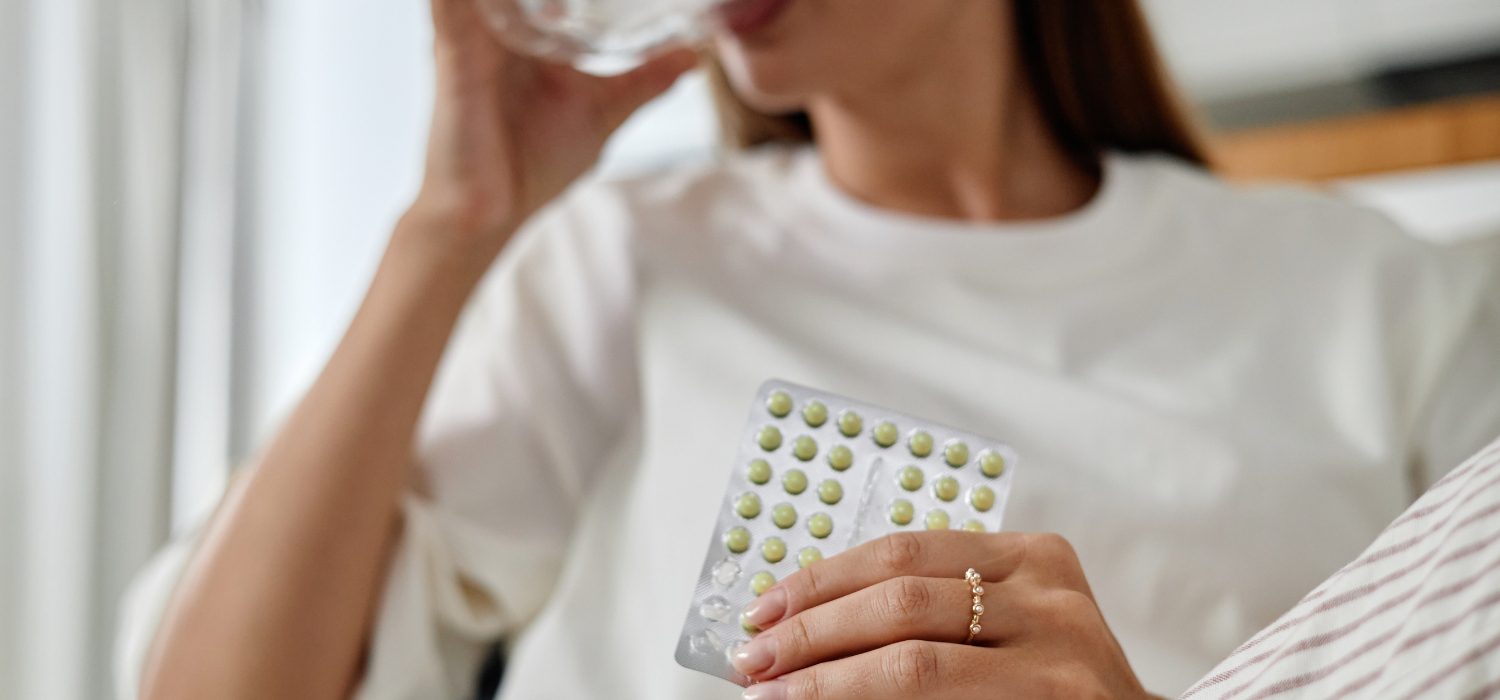
If you’ve been thinking about stopping the contraceptive pill, you’ve probably found yourself searching for stories from people who’ve actually been through it.
Questions like How long after stopping the pill will I get my period?, What are the side effects of coming off the contraceptive pill? and What does ovulation feel like after stopping the pill? all fly around the internet. The reality? There isn’t one single answer.
Coming off the pill stories: Side effects & symptoms, unpacked
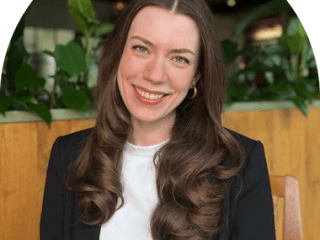
To show just how varied the experience can be, I picked up with two members of team TRB, both aged 23 and both coming off the combined pill after many years.
Here’s exactly what happened when they stopped taking it.
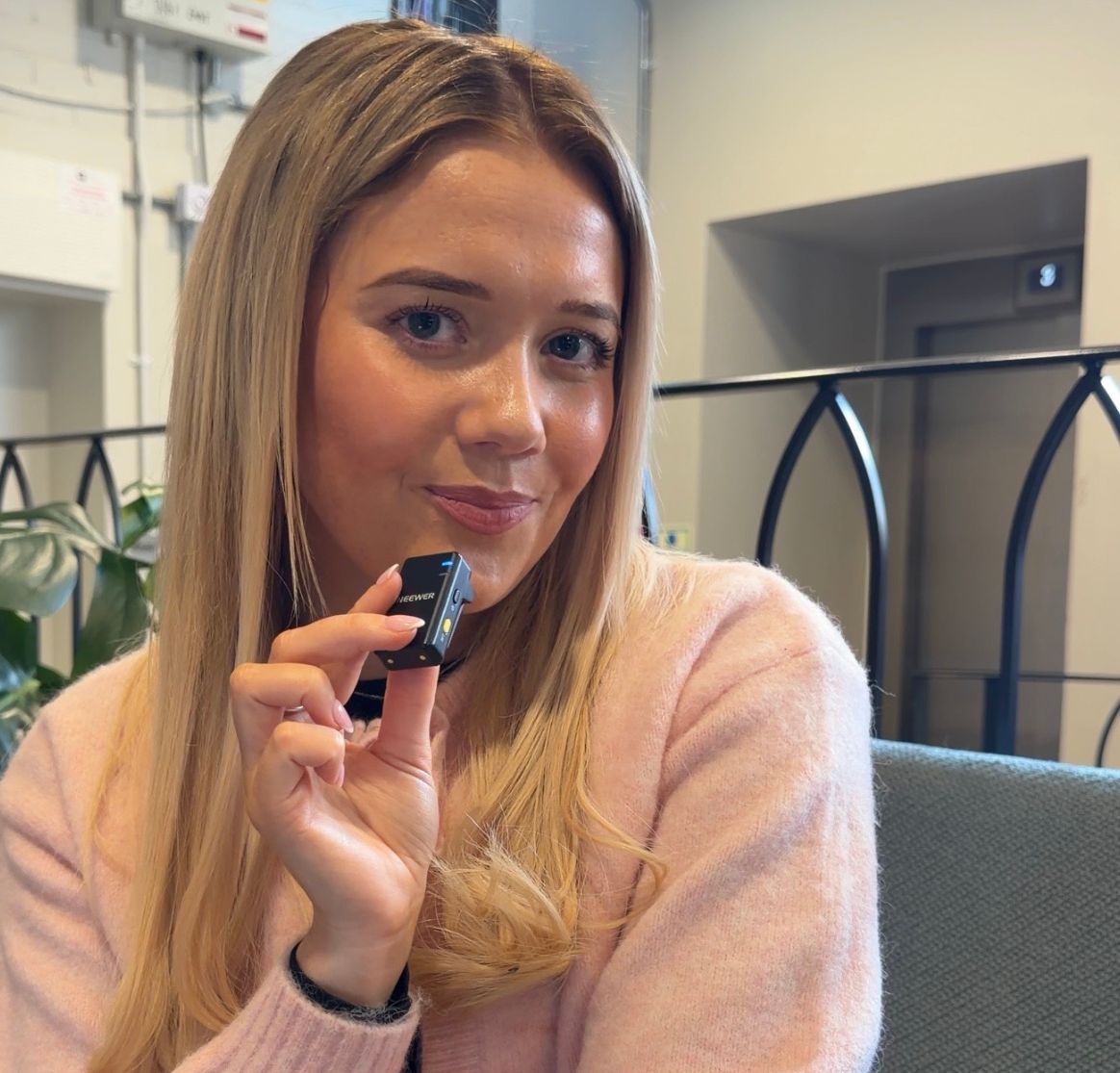
Meet Alex
Age: 23
Role: Social Content Creative and Community Marketing Coordinator
Pill: Combined pill (co-cyprindol)
Why I came off it: “I’d been on the pill for nine years and decided it was finally time to stop because I felt like my personality was changing into someone I’m not.”
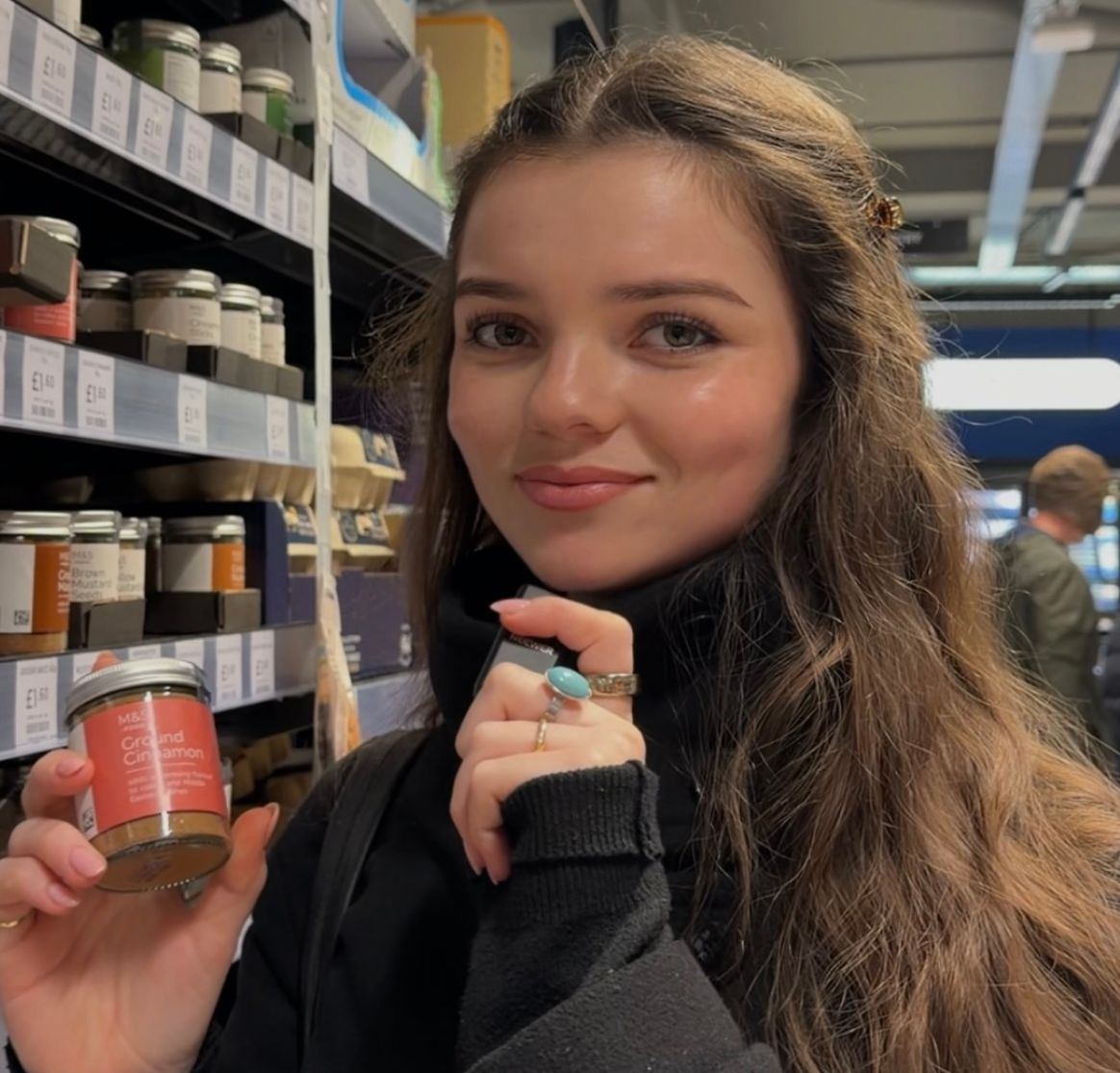
Meet Lois
Age: 23
Role: Social Content Creative and Strategist
Pill: Combined pill (Regividon)
Why I came off it: “I’d been on it for over seven years and, after growing up and thinking about it more, I realised I didn’t want to keep taking synthetic hormones. I wanted to have a break and see how I felt.”
Starting strong, how did you prepare for coming off the pill?
One of the biggest questions people ask is: How do I prepare my body for coming off the pill?
The reality is, there isn’t one right approach.
Alex: “I just stopped.”
“Honestly, it was a completely random Monday when I decided I didn’t want to be on the pill anymore, though I’d been thinking about it for a while because I felt it was turning me into someone I wasn’t. I just woke up and thought, ‘I never want to take this again,’ so I stopped.”
Looking back, Alex wishes she’d spoken to her GP beforehand to understand what to expect.
Lois: “I focused on supporting my body.”
Lois took a more planned approach after researching ways to support her hormones naturally.
She chose to take:
- Myo-inositol
- Zinc
- Triple Omega 3
- Vitamin B12
She also made a few simple dietary changes inspired by the Mediterranean diet, including:
- Eating fish twice a week
- Adding more vegetables to meals
- Including beans, lentils and seeds regularly
- Using extra virgin olive oil
- Choosing wholegrain carbohydrates
- Cutting back on ultra-processed foods and added sugar
While these changes helped Lois feel prepared, it’s worth remembering that supplements aren’t necessary for everyone.
If you’re unsure about what might be right for you, your GP or healthcare professional can offer personalised advice.
What happened in the first few weeks after stopping the pill?
The first few weeks looked completely different for each of them.
Alex’s experience
Alex experienced spotting almost immediately.
“I kept thinking my period was about to start because I was spotting, but it never actually turned into a proper period. At first I assumed it was normal and that everything would settle down quickly, but it was quite confusing not knowing what was happening.”
Lois’s experience
For Lois, the emotional changes arrived first.
“I felt like a literal ticking time bomb, almost as though I was just living inside my brain with no real control over my emotions. It was a very weird experience.”
Thankfully, those feelings settled after around two weeks, and she gradually began feeling more like herself again.
Coming off the contraceptive pill side effects
One of the most searched topics is coming off the contraceptive pill side effects, and these two experiences tell us just how much they can vary.
Alex
Four months after stopping the pill, Alex has experienced:
- Persistent chin breakouts
- Lower energy levels
- Occasional spotting
- No proper period yet
“I’ve now been off the pill for four months after taking it for nine years, and I still haven’t had a proper period.”
Lois
Lois responded quite differently.
She noticed:
- Water retention and bloating
- Forehead spots
- Much lower energy levels
- Mood changes throughout her cycle
- Breast tenderness before her period
Although her periods initially remained regular, around three months later she unexpectedly had two periods within two weeks, with the second being particularly heavy.
“I suppose I’m now experiencing a real period—something I haven’t really had since I was 16”, she says.
Signs of ovulation after stopping the pill
Many people wonder whether they’ll notice signs of ovulation after stopping the pill.
Alex hasn’t noticed any clear signs yet, as her cycle is still returning. Lois, however, thinks she may have recognised ovulation for the first time.
“I’d downloaded the Flo app to track my cycle, and one day I randomly felt a twitching cramp on one side. When I checked the app, it said I was ovulating, so I thought that must be what ovulation feels like.”
Some of us might notice that one-sided pelvic discomfort, plus changes in cervical mucus or a slight increase in libido around ovulation, while others don’t notice any symptoms at all.
How long after stopping the pill did you get your period?
Another common question is: How long after stopping the pill will I get my period?
The answer really depends on the individual.
For Lois, her periods returned almost immediately, although they continued to change over the following months.
Alex’s experience has been very different. Four months after stopping, she’s still waiting for her first proper period and has only experienced occasional spotting.
For many people, it can take several months for cycles to settle into a new rhythm after stopping hormonal contraception. If your period hasn’t returned after several months, or you have concerns about your cycle, it’s a good idea to speak to your GP.

What surprised you the most?
Alex: “What surprised me most was how long it can take for your body to adjust. I expected everything to go back to normal quite quickly, but that definitely hasn’t been the case. I also wasn’t expecting changes like the persistent chin breakouts and feeling more tired than usual.”
Lois had almost the opposite experience:
“I built the idea of coming off the pill up so much in my head. I was absolutely terrified of getting acne and worried my awful cramps would come back. Overall, it was much easier than I expected.”
One thing that did surprise her was experiencing the different phases of her menstrual cycle much more intensely than she had while taking the pill.
Anything you wish you’d known before stopping?
Alex shares: “I wish I’d spoken to my GP before stopping the pill so I could understand what to expect and how to prepare my body. I didn’t realise how different everyone’s experience can be or that it could take months for my cycle to return.”
Lois agrees that patience is key.
“I wish I’d realised sooner that everyone’s experience is different, and the most important thing is to listen to your own body. Your body needs time to adjust, and it doesn’t happen overnight.”
Bookmark this advice, if you’re thinking about coming off the pill
Although their experiences were very different, Alex and Lois ended up with remarkably similar advice.
Alex says: “Try not to compare yourself to other people. Speak to your GP before coming off the pill so you know what changes you might experience. Be patient with your body, it can take time to adjust, especially if you’ve been on the pill for a long time.”
Lois says: “Take the leap. Don’t overthink it. Just do what feels right for you and your body. You can always go back on the pill if you need to, or explore other contraception options. I’d also recommend doing a little research into vitamins and foods that may help support your body during the transition. But again… don’t overthink it!”
The bottom line
These stories are a helpful reminder that there’s no single timeline for adjusting after hormonal contraception.
If you’re preparing to come off the pill, knowing what might happen can help you feel more informed, but it’s equally important to give your own body the time and space it needs to adjust.
If anything doesn’t feel right or you’re worried about ongoing symptoms, don’t hesitate to speak to your GP.
Liked this feature? Pop this one on your reading list: We took this hero PMS supplement for 2 months – here’s what happened