
It’s not a thing, until it’s a thing: perimenopausal pruritus (we see you, read this 101)

Herbs, creams & inserts for that itch, in perimenopause
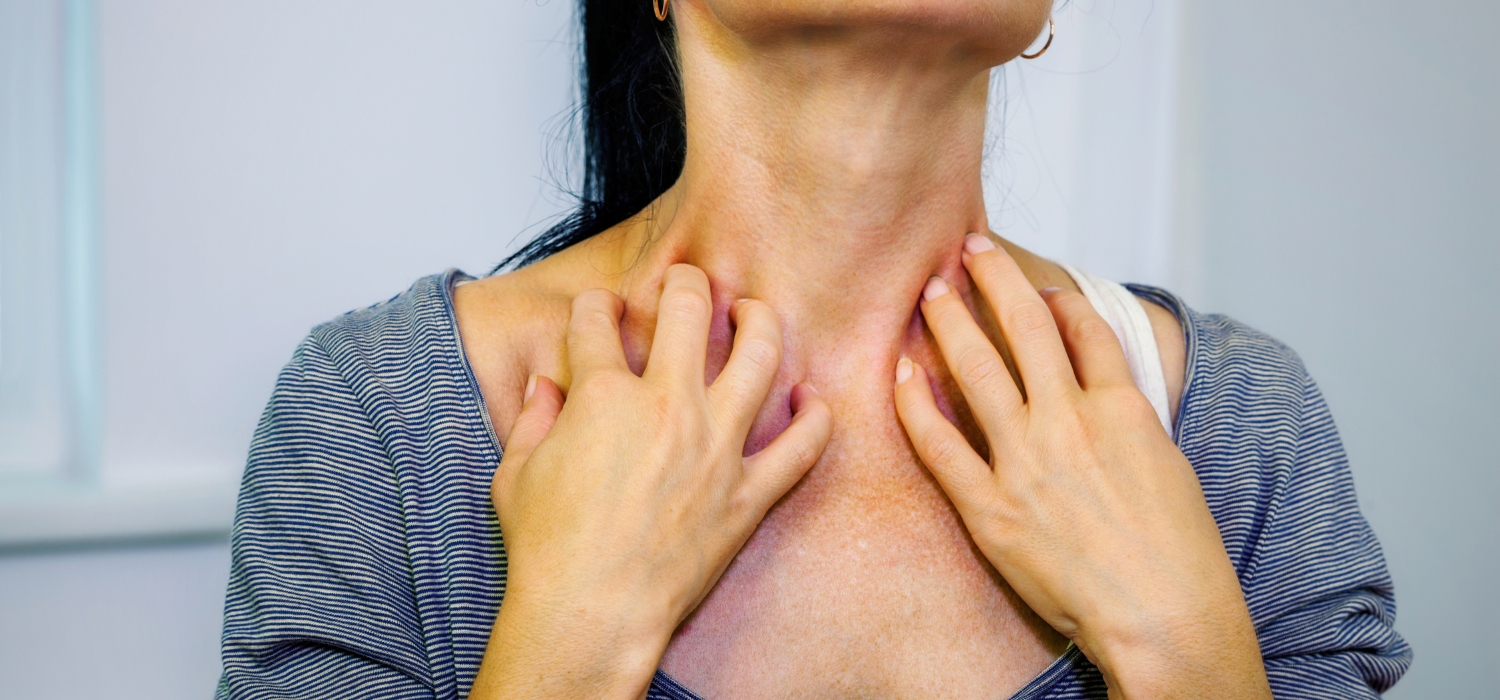
It starts with a random itch. Nothing too dramatic – maybe just your neck, or a phantom tingle on the backs of your knees. A week later, it’s your arms. Then your entire back. Then it’s 2 AM, and you’re googling “why am I itching all over my body at night,” only to spiral down a Reddit rabbit hole where everyone is as confused as you.
Welcome to perimenopausal pruritus – also known as perimenopause-related itching. It’s one of the lesser-known (and often dismissed) symptoms of hormonal change. But we’re here to validate it, explain it, and support you through it. Here’s your itch-scratch cycle 101.
What even is perimenopausal pruritus?
Let’s break down the buzzwords.
- pruritus = the medical term for itching.
- perimenopause = the years (yes, years – and I think I’m there now) leading up to menopause, when hormones go on a slow, chaotic rollercoaster.
- perimenopausal pruritus = skin itching or tingling that crops up because of these hormone changes, particularly declining estrogen.
While we tend to think of menopause as hot flashes and mood swings, the skin side of things is real. The link? Estrogen. It plays a vital role in skin hydration, elasticity and oil production. As levels start to drop, your skin can become dry, sensitive, and yes – itchy.

Can perimenopause cause pruritus?
Yes, 100%. According to research published in the Journal of Mid-Life Health, estrogen deficiency during perimenopause and menopause can lead to a number of skin issues, including dryness, thinning, and itchiness – especially around the vulva, arms, legs, chest and back.
If your itching feels cyclical, or worse before your period, that’s another big perimenopause clue. Estrogen levels dip before menstruation, and this drop can cause your skin to flare up. So yes – symptoms of perimenopause pruritus can be worse before your period.
What does perimenopausal itching feel like?
It can vary. Some describe it as:
- Crawly or tingling skin, with no visible rash
- A tightness or dry feeling on the skin surface
- Intermittent pruritus (itching that comes and goes without warning)
- Itchy nipples, scalp, vulva, underarms, or backs of hands – areas sensitive to hormonal shifts.
Sometimes, this itching is paired with skin that looks totally normal. No rash, no redness. Which is why it’s often shrugged off.
Can hormonal imbalance cause body itching?
Absolutely. When estrogen starts to fall during perimenopause, skin loses moisture and the production of collagen slows down. This affects the skin barrier, making you more prone to dryness and sensitivity. Cue: the itch.
And here’s where the hormonal dominoes fall:
- low estrogen can cause less skin hydration and oil, leading to dry, fragile skin
- less collagen can cause reduced skin strength and repair, leading to irritation
- disrupted histamine response can cause skin to become hypersensitive
So yes, hormonal imbalance is a root cause. Not imagined. Not “just stress.” Not psychosomatic.
Can low estrogen cause itching down there?
Let’s talk vulvas. You know how we love to!
Because vaginal and vulval itching during perimenopause is so common, but also so taboo. As estrogen drops, the tissues of the vulva and vagina can become thinner and drier – called vaginal atrophy or genitourinary syndrome of menopause (GSM). This makes the area:
- more prone to microtears and irritation (ouch)
- sensitive to underwear, soaps, and even bathroom tissue
- dry, sore and yes – itchy
If you’re experiencing this, you’re not alone. And there’s help, from local estrogen creams to vaginal moisturisers (keep reading for more on this).

Can low estrogen cause dry, itchy skin generally?
Yes, and not just in intimate areas. Estrogen supports the lipid barrier of your skin, which helps retain moisture. Lower estrogen = less sebum production = drier skin.
In perimenopause, this dryness can:
- show up suddenly, even if your skin’s always been balanced
- make existing conditions (like eczema or psoriasis) flare
- cause flaky, tight-feeling, or crepe-like skin on your face and body
TRB top tip: switch to a gentle, hydrating skincare routine and consider supplements that support skin structure (we’ll get into that too).
Does HRT stop itchy skin?
In many cases, yes. Hormone Replacement Therapy (HRT) helps replenish declining estrogen levels, which can in turn:
- improve skin moisture and texture
- reduce itching and sensitivity
- help repair and strengthen the skin barrier
That said, HRT isn’t one-size-fits-all. You’ll need to speak with a menopause-savvy healthcare provider to figure out if it’s right for you. And there are also non-hormonal options that can help soothe the itch – so keep reading.
Herbs, creams & inserts for that itch, in perimenopause
Now we’ve covered the why, let’s dig into the what-you-can-do.
Smart supplementation
- magnesium & B vitamins – help regulate stress (which can trigger itching) and support the nervous system. I’m currently really enjoying this bulk-buy magnesium glycinate and this has been my B-Complex of choice, for almost 10 years.
- omega-3s – nourish the skin from within and help reduce inflammation. These are the ones I take, and really rate.
- collagen + hyaluronic acid (HA) – support skin hydration and elasticity. My collagen of choice is this OG, which works in vitamin C and HA
- phytoestrogens – plant compounds that mimic estrogen in the body. Found in foods (like soy, flaxseed) or supplements like this one I have my eye on, Nutri Advanced’s MegaMag Perimeno Plus.
Need help choosing the right multi for this phase? This guide I put together can help: How to choose a multivitamin for every age and stage.
Topical support (creams & skincare)
- fragrance-free emollient creams (think CeraVe, Eucerin, La Roche-Posay) to hydrate dry skin daily.
- urea or lactic acid creams (low %): gently exfoliate and hydrate.
- barrier balms: for itchy or cracked skin, especially in colder months.
- vaginal moisturisers: non-hormonal options like Replens or hyaluronic acid gels.
If vulval itching is an issue, avoid soaps and scented products, and try warm water only when washing the area. Consider cotton underwear, no tight leggings, and fragrance-free toilet paper (honestly, it makes a difference).
Natural approaches
- aloe vera gel: for soothing hot, itchy skin.
- chamomile compresses: anti-inflammatory and calming.
- evening primrose oil: some women swear by this for hormone balance and skin support.
- oat baths: colloidal oats are amazing for itchy skin – throw a handful into a muslin cloth and steep in your bath.
Want more info on whether your symptoms might be signalling early menopause? We cover that here.

To wrap it up, gently
So, perimenopause can cause pruritus. And it’s more common than you think.
While it can feel like an invisible or brushed-off symptom, itchy skin (especially when it shows up cyclically, in specific parts of your body, and/or feels worse before your period) can be a clue that your hormones are shifting. And knowing that helps you take action.
You don’t have to suffer through the scratch – often, tweaking a few basic things will make a world of difference.
Here’s your skin-saving checklist:
- gentle, moisture-boosting skincare
- soothing, non-irritating laundry and hygiene products
- hormonal review (HRT may be an option)
- supplement support (phytoestrogens, omegas, magnesium)
- loads of water and a low-histamine diet if needed
- speak up – your doctor should take itching seriously
One final thing. Don’t feel like you have to wait for your doctor to give you permission to treat this. Whether you go down the herbal, HRT, or skincare path, you can ease the itch.
On your reading list:
- Does low ovarian reserve mean early menopause?
- How to choose a multivitamin for every age and life stage
- Nutri Advanced MegaMag Perimeno Plus
- PubMed on skin & menopause
We’re building out our (peri)menopause support library – let me and the team know what you’d like to read next, over on Insta.