28 thoughts we had about period care, ahead of World Menstrual Hygiene Day
When is World Menstrual Hygiene Day?
Every year on the 28th of May, World Menstrual Hygiene Day puts the spotlight on something pretty much half the population experiences, yet so many people still feel awkward talking about: periods.
We know what you’re thinking, and no, the 28th wasn’t chosen by accident. The average menstrual cycle lasts 28 days, although there can be so many variations of normal around this.
The wider mission is ambitious in the best possible way, making menstruation a normal fact of life by 2030. Because despite all the progress, periods can still feel unnecessarily complicated, expensive, inconvenient, misunderstood, and (weirdly) taboo.
A penny for your (menstrual hygiene) thoughts
So, in honour of the day, here are 28 thoughts we’ve definitely had about periods and menstrual health here at TRB – and you might have done at some point too.
Got more you’d add in here? Send us a message over on IG – our DMs are always open.
1. Why do period products cost this much?
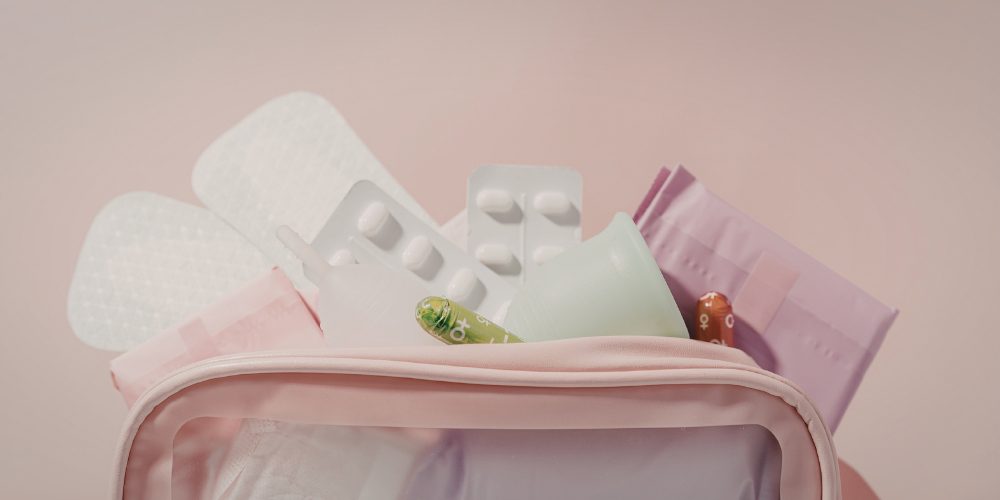
You run out once and suddenly you’re spending a small fortune on tampons, pads, liners, pain relief, and snacks you absolutely convinced yourself were medically necessary.
2. “Fresh” shouldn’t mean fragranced
A scented pad has never solved anybody’s problems. Ever. Your vulva does not need floral notes.
3. Why are public toilets still so badly set up for periods?
Tiny cubicles, no bins, no shelf for your bag, and somehow always one missing lock away from disaster.
4. Why did no one teach us this properly at school?
You probably learnt more from group chats, TikTok, Reddit, or whispered conversations in bathrooms than you ever did in a classroom.
5. Why does it sometimes feel embarrassing buying period products
Even as a fully grown adult, there’s occasionally still that irrational urge to hide your tampons under a loaf of bread at the self-checkout.
6. Comfort > aesthetics, always
Your “cute” underwear can wait. Periods are a time for softness, stretch waistbands, oversized jumpers, and maximum comfort.
7. You shouldn’t have to hide your tampon on the way to the bathroom
The casual sleeve-hide manoeuvre really needs retiring. Everybody knows where you’re going anyway.
8. Period care is healthcare
Access to clean, safe menstrual products matters. So does access to pain relief, education, support, and proper medical care when something feels off.
9. Education around this still needs work
There are still people reaching adulthood without understanding what a normal menstrual cycle looks like, what discharge is, or when to seek help.
10. Disposing of period products really shouldn’t feel this awkward
Why does opening a sanitary bin sometimes sound louder than your dad sneezing?
11. Feeling clean and comfortable should not be a luxury
Nobody should have to ration pads, tampons, or period underwear because of cost.
12. Why is there still so much weird shame around discharge?
Discharge is normal. Your body produces it for a reason. The panic around it really needs calming down.
13. Your vagina is self-cleaning, she does not need perfume
Gentle care is enough. Heavily fragranced washes and products often create more irritation than they solve, and there are some brilliant alternatives out there.
14. Not every product works for everybody, and that’s normal
From tampons, menstrual cups, discs to pads and period pants, there’s no universal “best” option. Finding what feels comfortable for your body can take trial and error.
15. Your cycle deserves more attention than one week a month
Your hormones influence your body throughout the entire month, not only during your period itself.
16. Half the population menstruates, can we act like it?
Periods are not niche. They are not embarrassing. They are not “too much information”.
17. Menstrual hygiene should feel normal, easy, and actually supported
Clean toilets, accessible products, proper bins, running water, privacy. None of this should feel revolutionary.
18. Not every bad period is “just part of being a woman.”
Heavy bleeding, severe pain, fainting, nausea, exhaustion, and debilitating symptoms deserve proper attention.
19. If your period is ruining your life every month, that is worth looking into.
You know your body best. If something feels consistently wrong, it’s worth speaking to a healthcare professional.
20. Being told to “just take ibuprofen” is not always the answer.
Pain relief can help, but it does not automatically explain away every symptom.
21. Your pain does not need to be unbearable to be valid.
You do not need to hit some imaginary suffering threshold before asking questions or seeking support.
22. Hormones can impact literally everything; mood, sleep, skin, energy, appetite.
One week you’re thriving. The next you’re unable to sleep at night, and crying because somebody glanced at you for a little bit too long in Tesco.
23. The week before your period can genuinely feel like a personality shift.
PMS can feel wildly physical, emotional, mental, or all three at once.
24. Missing work, plans, or social events because of your cycle is not dramatic.
Sometimes your body just needs to rest.
25. Your cycle is a health signal, not an inconvenience.
Changes in your period can sometimes reflect stress levels, hormonal shifts, nutritional changes, or underlying health conditions.
26. Why are so many women learning about their bodies from TikTok instead of healthcare?
Social media can open conversations, but clear, accessible medical education should never feel this difficult to find.
27. Women’s health shouldn’t feel like detective work.
Keeping symptom diaries, pushing for referrals, chasing answers, repeating yourself at appointments… we know it can feel exhausting.
28. Being told “that’s normal” when something clearly doesn’t feel normal is a universal experience.
Sometimes it takes multiple conversations before somebody finally listens properly. You’re allowed to keep advocating for yourself.
Want to get involved?
If any of these resonate with you, there are plenty of places to find support, learn more, and get involved.
For health guidance, speaking to a GP or a sexual health clinic is a good first step if your periods feel painful, disruptive, or unusually heavy. Tracking symptoms across your cycle can also make conversations with clinicians clearer and more useful.
Explore the NHS guidance on periods and menstrual health, and for global menstrual health education and advocacy, the Menstrual Health Project shares accessible research and supportive resources for those experiencing menstrual health conditions and concerns.
To get involved specifically with World Menstrual Hygiene Day, you can explore their story, campaigns, and global actions here, via the Menstrual Hygiene Day official site.
They’ve got downloadable resources, social media toolkits, and campaign materials you can use to raise awareness using the hashtag #PeriodFriendlyWorld.
And if access to period products is a challenge, local community groups, food banks, schools, universities, and workplaces often have discreet support available. It’s always worth asking what’s in place where you are.
Liked this feature? Read this one next: “I’m sick of women not being listened to”: Naga Munchetty on period pain, diagnosis, and talking to your GP