

The magic of kiwis – the surprising benefits of kiwi fruit for skin, sleep & more

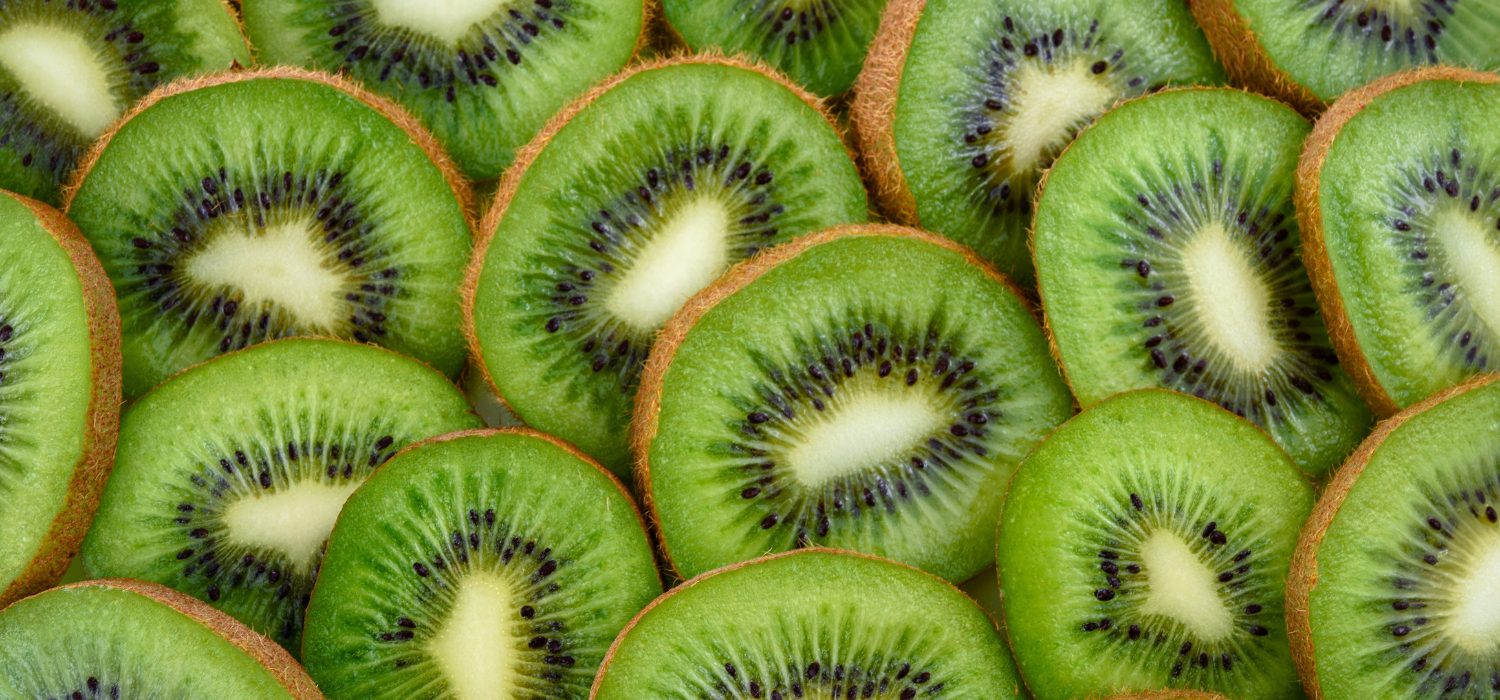
Kiwis have earned a place in the wellness spotlight recently, and by extension, on the desks here at TRB HQ. You’ll see them in our breakfast bowls, smoothies, and increasingly, out of the office and in our bedtime routines too.
This little green fruit is said to pack a powerful punch of nutrients. But, what’s really proven, and what’s woo woo? We did the research, so you don’t have to.
Here’s what to know about the science-backed benefits of kiwi fruit for skin, sleep, gut and more, plus some yummy ways to eat more of them.
Summer skincare tip – the Grown Alchemist Sale
From their cult mattifying primer to best-selling hand cream and more, stock up on sunny season skincare at Grown Alchemist with our exclusive offer – 15% off your first order when you sign up here.
What are the benefits of kiwi fruit for overall health
Kiwis are packed with nutrients your body uses every day. A single serving provides:
- Vitamin C
- Dietary fiber
- Potassium
- Vitamin E
- Folate
- Antioxidants and plant compounds
Research shows that kiwi fruit can support digestive, immune, and metabolic health, while helping maintain energy balance and overall nutritional status. Here are the details, if you’re looking.
1. Immune support
Kiwis are one of the richest natural sources of vitamin C. Just two medium fruits weighing in at a total of 150-200g will provide more than double the daily recommendation of vitamin C for adults, says this expert from UCL.
This helps your immune system respond to everyday stressors and supports your body’s defense against illness.
2. Metabolic and heart health
The fiber, potassium, and antioxidants in kiwi help regulate blood sugar, support healthy blood pressure, and contribute to overall metabolic balance and heart health.
3. Anti-inflammatory and antioxidant effects
Kiwis contain polyphenols and carotenoids that can help neutralize free radicals. This reduces oxidative stress, which is linked to long-term health issues like cardiovascular disease and diabetes.
4. Energy and nutrient absorption
The nutrients in kiwi help your body use energy efficiently and improve how well you absorb other nutrients, especially iron.
Benefits of kiwi fruit for skin
When it comes to skin, kiwis may offer targeted support through both nutrients and bioactive compounds, looking at this very recent expert review.
Could support collagen production
Vitamin C plays a direct role in collagen synthesis, helping maintain skin structure and firmness.
Research has shown that increasing vitamin C intake from foods like kiwi could improve skin thickness and regeneration.
Might improve hydration and elasticity
Bioactive compounds in kiwi have been linked to improved skin hydration and elasticity, helping your skin feel smoother and more resilient.
May help reduce visible signs of aging
Kiwis contain antioxidants that protect against environmental stressors like UV exposure and pollution. This can help reduce:
- Fine lines and wrinkles
- Skin roughness
- Hyperpigmentation
If you’re looking into the benefits of kiwi fruit for skin, regular intake might just be supporting your skin from within. Love that!

Benefits of kiwi before bed (and why it’s trending)
Eating kiwi before bed has taken off on TikTok. But before you roll your eyes (or open your app to find out more) there’s some potentially pretty solid science behind it.
A clinical study published via PubMed Central found that eating two kiwis one hour before bed improved sleep quality, increased total sleep time, and reduced night wakings. Here’s the overview.
May improve sleep quality
Participants in the study experienced:
- Longer sleep duration
- Better sleep efficiency
- Fewer disruptions during the night
Could support your sleep cycle
Kiwis naturally contain:
- Melatonin, which regulates your circadian rhythm
- Serotonin, which supports sleep onset
May help reduce stress and fatigue
Antioxidants and folate in kiwi may support recovery and reduce inflammation, helping you feel more rested the next day.
If you want to try and nab the benefits of kiwi before bed, go for one to two kiwis in the evening and see whether your sleep responds.
What are the benefits of kiwi fruit for gut health?
Gut health is huge right now, and this is also where kiwi really stands out, according to research studies like this one – here’s the 101.
May help relieve constipation
Kiwis contain both soluble and insoluble fiber. This combination helps:
- Improve stool consistency
- Increase water retention in the gut
- Support regular bowel movements
Could speed up digestion
Kiwis contain a natural enzyme called actinidin, which helps break down protein in the stomach and small intestine. This can reduce feelings of heaviness after meals.
Supports a healthy gut microbiome
The fiber and plant compounds in kiwi help nourish beneficial gut bacteria, which play a role in digestion, immunity, and even mood.
Could reduce digestive discomfort
Further studies like this one show kiwi may help reduce bloating and abdominal discomfort, especially in people with digestive issues like IBS.
If you’re looking for a gentle, food-based way to support digestion, kiwi might just be one of the most effective options.
Benefits of kiwi fruit in pregnancy
If you already love them, kiwis can be a helpful addition to your diet during pregnancy. Here’s why.
Provides key nutrients
Kiwis contain several nutrients that support pregnancy:
- Folate, which supports fetal development
- Vitamin C, which supports immunity and iron absorption
- Fiber, which helps with digestion
Supports iron absorption
Vitamin C helps your body absorb iron more effectively. Pairing kiwi with iron-rich foods or supplements can support healthy iron levels.
Could help with digestion
Constipation is common in pregnancy, and also into postpartum as we’ve covered in this relief guide. The fiber in kiwi supports regular bowel movements in a gentle, natural way.
So, are kiwis safe in pregnancy?
Kiwis are generally well tolerated and considered safe for most people. The main consideration is allergy risk.
Some people may experience mild oral symptoms, and in rare cases, more serious reactions. If you’ve never eaten kiwi before, introduce it gradually.
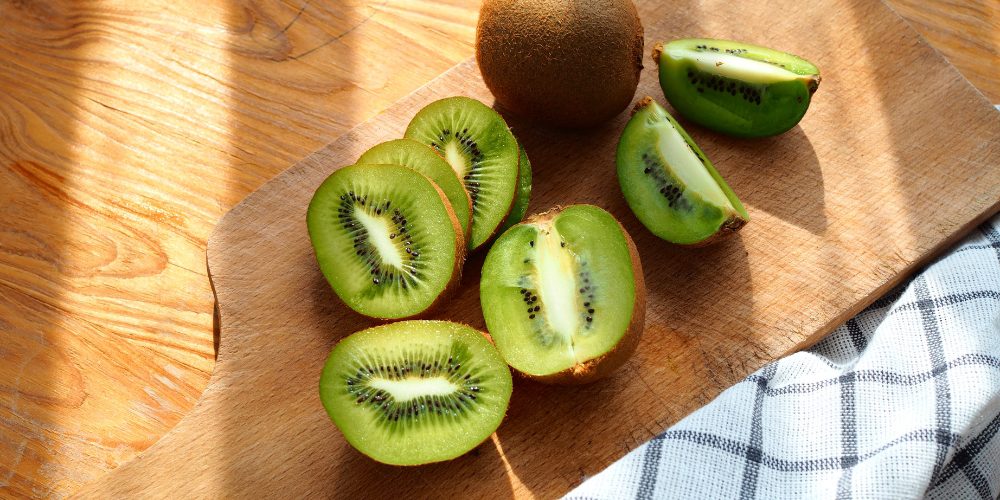
Benefits of kiwi fruit juice vs eating whole kiwi
You’ll find kiwi in juices, smoothies, and concentrates, but the whole fruit offers the most benefits.
Whole kiwi (your best option, we think)
This is because eating the whole fruit gives you:
- More fiber
- Better digestion support
- Slower, steadier nutrient release
If you eat the skin (when safe and well washed), you increase:
- Fiber by around 50%
- Vitamin E and folate by over 30%
Kiwi juice
Kiwi juice still contains:
- Vitamin C
- Antioxidants
- Some bioactive compounds
However, it usually contains less fiber and may miss nutrients found in the skin and seeds.
If you’re comparing the benefits of kiwi fruit juice, it works well as an addition, but the whole kiwi delivers more of the good stuff.
Dried kiwi fruit benefits – do they count?
Dried kiwi is so yummy, and still offers nutritional value, just at lower levels than the whole fruit. Yep, there’s even been research done on this too.
Basically, you’ll still get some fiber, minerals and plant compounds, but you’ll get less vitamin C (lost during drying) and, of course, that juicy water content.
Easy ways to add kiwi to your routine
Let’s wrap with our team’s real area of expertise – eating kiwi fruit!
There are a few things that we love to do with kiwis:
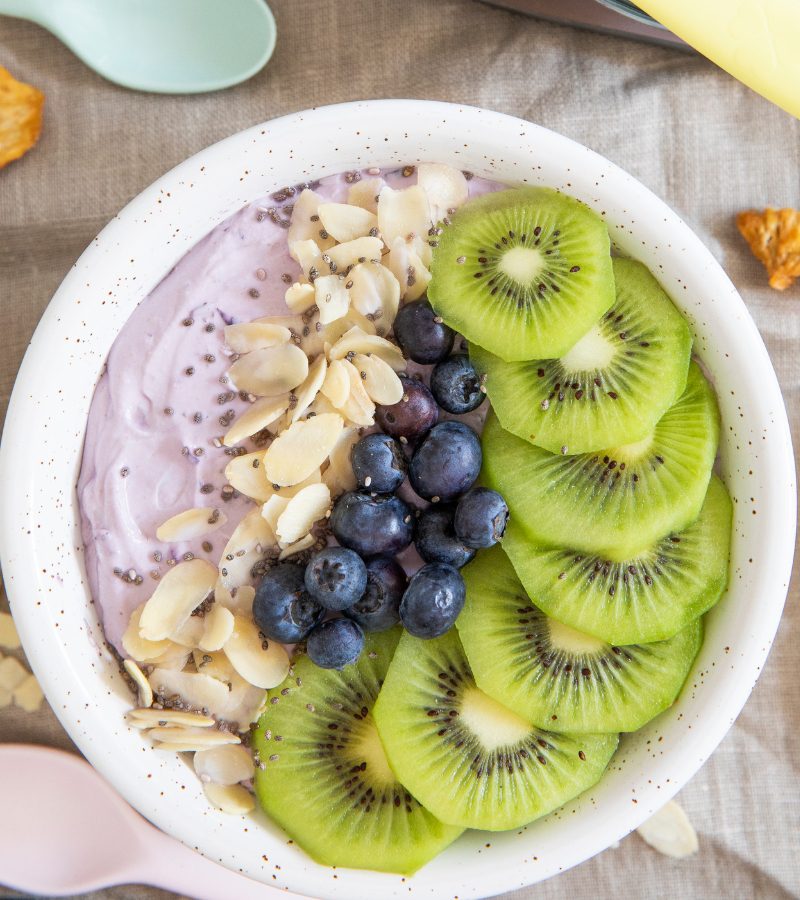
- Slice into yogurt or oatmeal
- Add to smoothies with spinach and banana – Read our fertility smoothie round-up for our top superfood recipes
- Eat one or two in the evening as a pre-bed snack
- Toss into salads for a fresh, tangy flavor
Got a must-know kiwi recipe to share with us? Reach out on IG and we’ll feature it here – our DMs are always open!
Want to hear more from the team? Read this next: The raw carrot salad recipe our editor can’t stop making