

Millennials, I’ve got you: Can you get pregnant in perimenopause?

The stage we’re in: defining perimenopause
I turned 39 this year, and I’m clocking a few of those first flickers of perimenopause (I think. I mean, who really knows?)
Shorter, lighter cycles, temperature surges and blips, plus that dreaded brain fog which I’ve never had before. I’m also a mum of two (ages five and seven) with a history of repeat miscarriage, and here’s the kicker: we’d still love another baby. Realistically, I’ll be in my early 40s if it can happen.
So, the question hits close to home: can you get pregnant in perimenopause?
According to The Menopause Society, perimenopause is the transitional phase before menopause (the point when you’ve gone 12 months without a period). It can last between four and ten years, and common symptoms include irregular cycles, hot flashes, mood changes, night sweats, and brain fog.
Crucially, ovulation may still occur – meaning pregnancy is possible.
Yes, perimenopausal women can get pregnant
Here’s the simple answer: as long as ovulation continues, conception is possible. Your cycle may feel unpredictable, but eggs can still be released.
- By age 40, chances of conceiving naturally each month drop to around 5%
- Miscarriage and complication risks increase
- Yet natural pregnancies still happen in the early-to-mid 40s, sometimes unexpectedly
The takeaway? The fertility window narrows but doesn’t slam shut.
Millennial check-in – what this means for our generation
For millennials, perimenopause arrives right as many of us are still making fertility decisions – growing our families, freezing eggs, or deciding we’re done. Since many of us delayed parenthood, the overlap feels sharper.
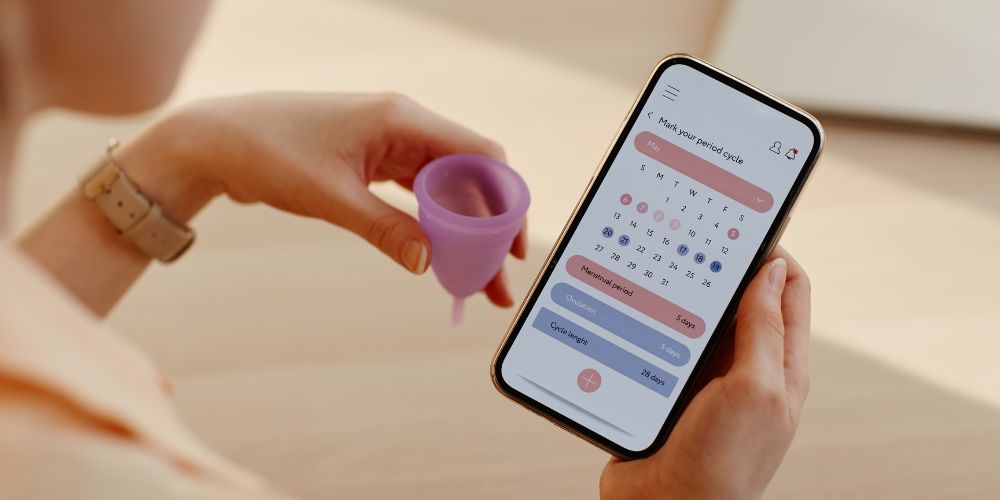
That’s why tuning into your body, being proactive, and getting support early is vital. Cycle tracking can flag ovulation even when periods are erratic. Nutrition, rest, and lifestyle matter more than ever. And a fertility MOT – blood tests, AMH levels, and an ultrasound – can provide clarity instead of guesswork.
Boosting your odds – how to try naturally in your late 30s and 40s
If you’re hoping to conceive in perimenopause, think of it as stacking the odds in your favour. Timing, health, and medical support all work together.
You might focus on:
- Timing and tracking – ovulation predictor kits, cervical mucus, or basal body temperature can help pinpoint fertile days
- Nutrition and lifestyle – lean protein, healthy fats, omega-3s, and antioxidant-rich foods can support hormone balance and egg quality, and sleep and stress management also play a role
- Medical input – preconception bloodwork (FSH, AMH, thyroid), plus folic acid, vitamin D, and possibly CoQ10 supplements can all help you stack the odds – the guidance is to seek referral after six months of TTC (trying to conceive) without success
Proactive steps like these can make the process feel less like a shot in the dark, and more like an informed plan.
Pregnancy in perimenopause – talking risks
It’s absolutely possible to have a healthy pregnancy in perimenopause, but it comes with greater risks than at 25 or 30. Miscarriage rates are higher, and conditions such as gestational diabetes, pre-eclampsia, or chromosomal abnormalities are more likely. Some women will need fertility treatment to conceive.
Still, “higher risk” doesn’t equal “no chance.” With attentive medical care, many women in their 40s carry healthy pregnancies – a reminder that stats aren’t the whole story.
What about avoiding pregnancy in perimenopause
If babies aren’t in your plan, don’t assume fertility has vanished. Surprise pregnancies in the 40s aren’t rare, and contraception remains essential until menopause is confirmed.
Options include barrier methods like condoms, hormonal options (pill, patch, implant, hormonal IUD), or the non-hormonal copper coil. Sterilisation is a permanent choice for those certain they’re done. Doctors recommend continuing contraception for at least 12 months after your final period (24 months if you’re under 50).
TTC Roadmap – a practical action plan
If you’re trying to conceive during perimenopause, here’s the roadmap I’m looking at:
- Book a check-up – fertility bloods and health screening with your family doctor
- Include your partner – if this applies to you, sperm quality matters just as much
- Stack nutrition and lifestyle – think folate, iron, omega-3s, vitamin D, sleep, and stress support
- Track cycles, but gently – use tools, without tipping into obsession
- Explore options early – egg/embryo freezing or assisted reproduction may be worth considering sooner rather than later
Find your circle – whether online or IRL, a support network can make all the difference. I’ve found chatting to friends and even just school gate acquaintances super-helpful (and interesting!) – everybody has a story, and a plan
(And the same for prevention)
On the flip side, if pregnancy is not your plan, prevention should be part of your perimenopause toolkit.
- Don’t stop contraception just because cycles look irregular
- Talk to your doctor about options that may also help with symptoms
- Track cycles if it gives you insight, but don’t rely on that alone
- Reassess contraception yearly, as your hormones and health needs change
Perimenopause doesn’t have to signal the end of fertility or control. It’s a transition – one that narrows options, but doesn’t eliminate them.
Wrapping it up
Instead of panic, reframe this stage as a window of possibility – many women conceive naturally in their 40s (many of my school mom friends are aged 40+, with very young children!)
Can you get pregnant in perimenopause? Yes – with lots of ifs, ands and buts.
For those trying, the path may be harder, but it’s not impossible. For those avoiding, fertility lingers longer than you think. Perimenopause is not a sudden stop, but a transition. With the right information and support, millennials can step into this stage with clarity – whether preparing for another baby or confidently closing the chapter.
My top 3 takeaways, at age 39
- Yes, pregnancy is possible. Perimenopause doesn’t mean fertility vanishes overnight. If you’re ovulating, conception can still happen – even into your mid-40s.
- Plan with intention. Whether trying or avoiding, cycle tracking, nutrition, and the right medical support put you in the driver’s seat.
- Don’t go it alone. A doctor’s check-up, fertility MOT, or simply sharing your journey with friends can shift the whole experience.
On your reading list: 5 perimenopause sex to tips to bank