

Your guide to yoga for (peri)menopause & smooth transition

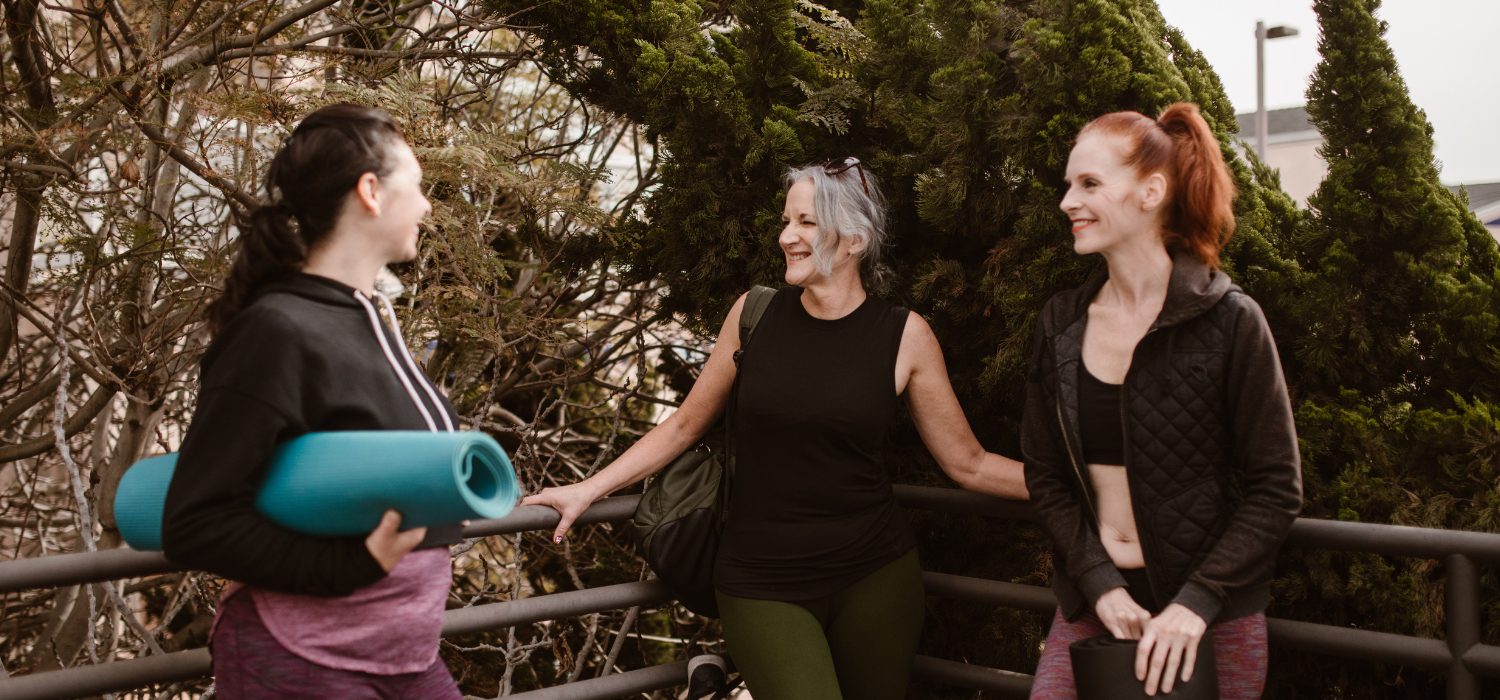
Perimenopause, the transitional period before menopause, can sneak up on you. One minute you’re in your groove, and suddenly you’re Googling things you never thought you’d need to, navigating body changes, hormonal shifts and mood swings.
If you’re in your late 30s, 40s or beyond and want to feel more in control of your health, yoga can be one of the most supportive tools to have on your side.
And no one knows this better than the team at Thrive Journey – our absolute go-to platform for expert-led online wellness.
Yoga for perimenopause 101
It’s often thought of as just gentle stretching, but yoga for perimenopause can actually do so much more.
Studies show clear benefits for the menopause transition, and that it can help build strength, support your bones, calm hot flashes, and steady your mood and stress levels.
With insight from the brilliant Sarah Manning, Senior Yoga Instructor at Thrive Journey with over 30 years of international teaching experience under her belt, here’s your quick guide to how to use yoga to make the transition from peri to meno smoother, steadier, and even a little more empowering.
Over to Sarah.
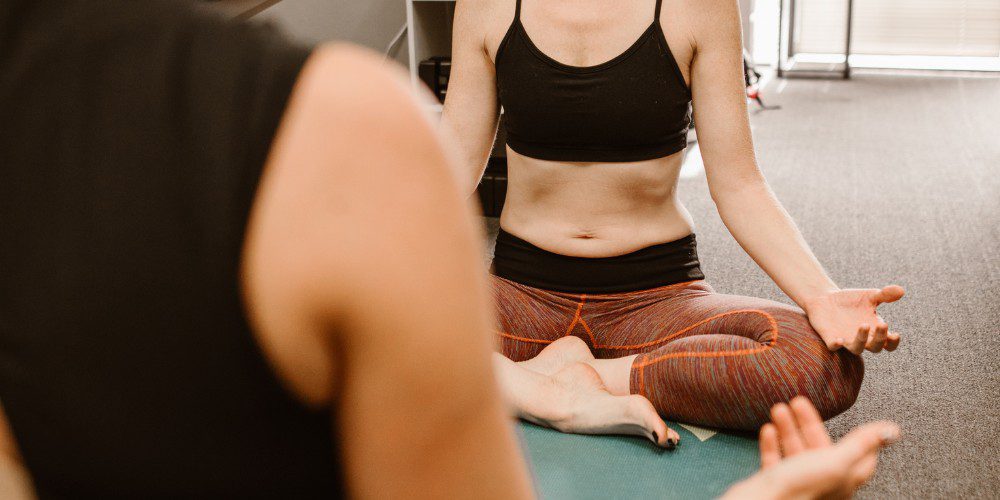
Is yoga good for menopause?
Absolutely. Menopause is a holistic change in the body, and there are effects on the physical, energetic, hormones, mind and spirit.
Yoga for menopause works on more than just your muscles, and is a fully supportive holistic practice.
During perimenopause and into menopause, it can help rebalance your body across five key layers:
- Physical
- Energy
- Emotions
- Thoughts
- Spirit
Think of it like this: if you slouch with your head down and your mood dips, your breath shortens, your confidence drains. Stand tall, open your chest, and everything shifts, your breath is deeper, your mind sharper, and your energy brighter.
Yoga taps into those connections and layers, calming stress hormones, steadying emotions, and keeping your body strong.
The key is consistency, though. Small, regular practices are what make the biggest difference over time, and here we’re aiming to cover off some of the key areas and small simple changes to get the ball rolling.
1. Yoga for bone health
Bones are a dynamic, living tissue. Bone health becomes a priority in perimenopause because falling oestrogen levels mean your bones lose density more quickly.
Yoga helps in two ways:
- Breathwork lowers stress hormones, freeing up energy for bone repair. Cooling breaths like sheetali also help with hot flashes.
- Strength poses load your bones, stimulating them to rebuild. Try Hatha yoga practices Triangle, Warrior 2, Tree, or balances like Dancer for your legs and pelvis. Cobra, Locust, and twists help your spine, while Plank or Side Arm Balance build upper body strength.
If you prefer slower practices, Yin yoga is brilliant too. Long-held poses like Dragon or Saddle place healthy stress on connective tissue and bones.
Restorative yoga is another winner, it won’t load your bones, but it deeply resets your hormones.
2. Yoga for menopause belly
Noticing changes around your middle? During menopause, your body often stores more fat around the belly because fat tissue produces oestrogen.
Some of this is natural, but excess belly fat (especially the visceral kind around your organs) is linked to health risks.
Yoga can help by:
- Rebalancing hormones and gently boosting metabolism (think Sun Salutations, Warrior poses, or Fire Breath with care for your pelvic floor).
- Building core strength, which supports your back and helps you feel more stable.
Pair your yoga with a focus on hydration, simple food swaps and key nutrients, including:
- More whole foods and fibre
- Fewer processed carbs
- Less alcohol
- Less sugar
3. Yoga for hot flashes
Hot flashes can be intense and overwhelming – the sudden heat, the sweat, the flushed skin. The good news?
Cooling, calming practices help, including:
- Forward folds
- Yin and restorative yoga
- Cooling breaths like Sheetali specifically help with hot flashes
I’ll often teach water breath, cooling, descending energy: inhale through your nose, then exhale slowly through pursed lips, as though you’re bending a candle flame. Even a few rounds can steady your body and calm rising heat. It can also support erratic mood swings, anger issues, anxiety and sleep issues.
Is hot yoga good for menopause?
This one depends. If you love hot yoga, live somewhere cold, and it energises you, it can work.
But for many women, especially when life already feels full-on and you’re dealing with hot flushes, a hot, structured class can add stress rather than ease it.
Yoga teachers instinctively want to draw you to a softer, slower, cooler, quieter practice – nurturing, releasing, carrying you and your cares for the duration of the class, and allowing you the peace, space to reconnect with your needs, dreams and intuition.
3 easy perimenopause yoga practices to try
- Water Breath from Qigong – Calms your nervous system in minutes. Try it before bed, a meeting, or when you feel a flash coming on.
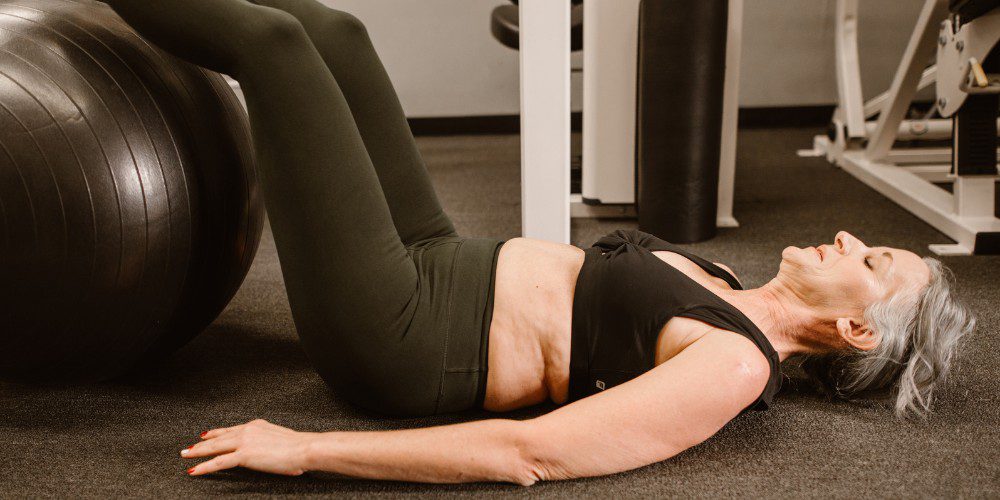
- Legs on a chair, spine, head and shoulders on the floor – This is my daily go to restorative yoga posture for an emotional reset, calming and soothing the mind. Lie down, rest your legs on a chair, and let your back release. Add a cushion under your hips if it feels good for a gentle inversion, uterus realignment and pelvic floor reset.
- Moon salutation – A gentle flowing sequence that opens your hips and chest while strengthening your core and pelvic floor, helping avoid any incontinence.
Pointers and cautions
Most women can safely practise yoga during perimenopause and menopause, but if you have pre-existing health conditions like high blood pressure, joint issues, or past surgeries, check in with your teacher, and adapt poses as needed.
Also, don’t be surprised if a calming class brings up unexpected emotions, it’s all part of releasing the mental load.
View this post on Instagram
The wrap on yoga for perimenopause – an opportunity to reframe the transition?
Sarah and the team at Thrive Journey see natural menopause as your “second spring” – a transition into your own power, energy, and a new sense of freedom.
In other words? It’s a chance to step into your fullest aliveness, tapping into creativity, joy, and a deeper connection with both yourself and the world around you. It’s the time to uncover your authentic self, no longer defined by serving your community, your family, or anyone else’s expectations.
Their online yoga classes are just one way to help achieve this, encouraging balance through strength-building postures and calming breathwork and mindfulness to help you manage everything from bone density to brain fog.
With over 30 years’ experience supporting women through every life stage, Thrive offers guidance that’s practical, empathetic, and designed to your needs – connect with them today for tailored support.
Want to hear more from Sarah? Watch this next: Qigong for women – 3 things to know, before getting started