

What is a phantom period, and is it actually a ‘real’ thing?


Most of us know that familiar feeling that comes with the start of a period. The heavy, dull ache in the pelvis – check. Bloating – check. Cravings for daaays – check.
But what if you’re getting all of these, but nothing actually shows up when you head to the bathroom? You might be experiencing something known as a phantom period.
It might sound like a baseless TikTok rumor or a (super weird) couple’s Halloween costume, but phantom periods can be a real experience for people who menstruate.
And whilst they can be confusing and frustrating, they do usually have some kind of explanation behind them.
Here’s what you need to know.
What is a phantom period?
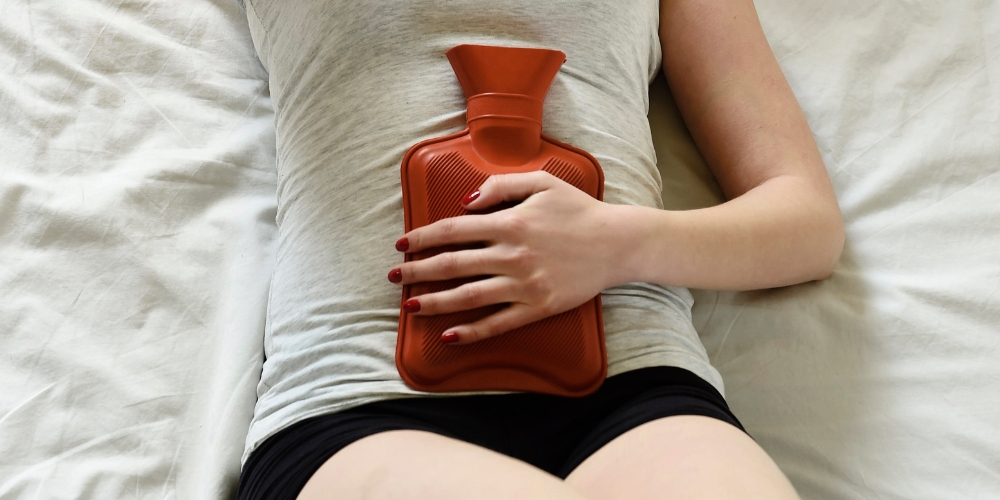
A phantom period is when you experience physical or emotional symptoms that mimic those associated with a menstrual period, but without any bleeding. You might feel:
- Cramping similar to period pain
- Tender breasts
- Mood swings or irritability
- Bloating or digestive changes
- Lower back pain
According to those online with lived experience, these symptoms can be mild or quite intense. They might last a few hours, or even stretch out over a few days, sometimes weeks.

Are phantom periods real?
Yes, phantom periods are real in the sense that the symptoms you feel are genuine. But the key difference is that there’s no actual menstrual bleeding.
And although the term “phantom period” isn’t commonly used by healthcare professionals, it’s a helpful way to describe what is, for some of us, a very real experience.
So, why does it feel like I got my period but nothing’s there?
There are a few reasons phantom periods can happen. The most common explanations might include:
1. Ovulation
Experiencing mid-cycle pain or painful ovulation may be mistaken for period cramps.
Also, if it feels like something has ‘come out’ but you can’t see any period blood, it could be cervical mucus instead – this is the clear, stretchy, and slippery ovulation discharge that kind of resembles raw egg whites.
2. Birth control
If you’ve recently started (or stopped) hormonal contraception, your cycle can take time to settle.
You might feel like your body is “gearing up” for a period that doesn’t arrive.
3. Underlying health conditions
Certain hormonally-connected conditions can lead to irregular cycles and period symptoms without bleeding. These include:
- Endometriosis
- PMOS (Polyendocrine metabolic ovarian syndrome), formerly known as PCOS
- Uterine fibroids
Conditions like Irritable Bowel Syndrome (IBS) that cause abdominal pain might be mistaken for period cramps too.
4. Pregnancy
We know, it’s super unhelpful and confusing, especially if you’re on a fertility journey.
But in early pregnancy, you can sometimes experience symptoms that are very similar to your period starting.
5. Perimenopause
There appears to be a phantom periods perimenopause link, and according to those online with firsthand experience, is incredibly common.
In your late 30s moving into your 40s, your cycle can start to shift, and if you are in perimenopause, your body might attempt ovulation without success.
This might cause all the usual signs of a period, without any actual bleeding.
6. Stress or lifestyle changes
Big changes in sleep, diet, travel, exercise, or stress can all disrupt your cycle.
Your body might respond by giving you premenstrual-type symptoms, even if there’s no actual menstruation coming.
Phantom period after hysterectomy – is it possible?
Yes, it’s possible to experience what feels like a phantom period after a hysterectomy, especially if your ovaries were left intact.
While you won’t have menstrual bleeding without a uterus, your body can still go through hormonal cycles and symptoms that can happen as a result.
This said, if you start to notice new or unusual changes post-hysterectomy, do speak with your healthcare provider.
How long do phantom periods last?
Phantom periods can last anywhere from a few hours to several days. There’s no set length, and it could depend on the cause.
They tend to follow a similar pattern each time they happen, so once you’ve had one, you might start to recognize the signs.
You might also notice that phantom periods appear:
- At the same point in your cycle or the same time over multiple months
- During times of high stress or hormonal disruption
- After stopping or starting hormonal treatments
- As your period starts becoming more irregular over time
Are phantom periods something to worry about?
Phantom periods aren’t usually a cause for concern, especially if they happen occasionally or you’ve identified the cause and have a management plan in place.
But if the symptoms are painful, disruptive, or happening very frequently, it’s worth paying attention.
Speak to your doctor or gynecologist if:
- Your cycle has suddenly changed with no clear reason
- You’re having phantom period cramps regularly, but aren’t bleeding
- You’ve missed several periods in a row and aren’t sure why
- You’re experiencing additional unexplained symptoms like fatigue or noticeable weight changes
- You’re finding that symptoms are affecting your day-to-day life, in any way
Tracking your cycle using an app or journal can help identify patterns or shifts that you can then discuss with a healthcare provider.
You don’t have to just put up with phantom periods. Getting support when needed can make a big difference.
Liked this feature? Read this next: Will a hysterectomy cure PCOS?