
What to eat on GLP-1s (steal my ‘what I eat in a day’ meal plan)


If you’re on any kind of GLP-1 therapy for weight loss, you might have found your appetite has taken a nosedive. And while that can feel like a win when you’re trying to manage weight, it can also leave you wondering: Am I eating enough? Am I eating the right things?
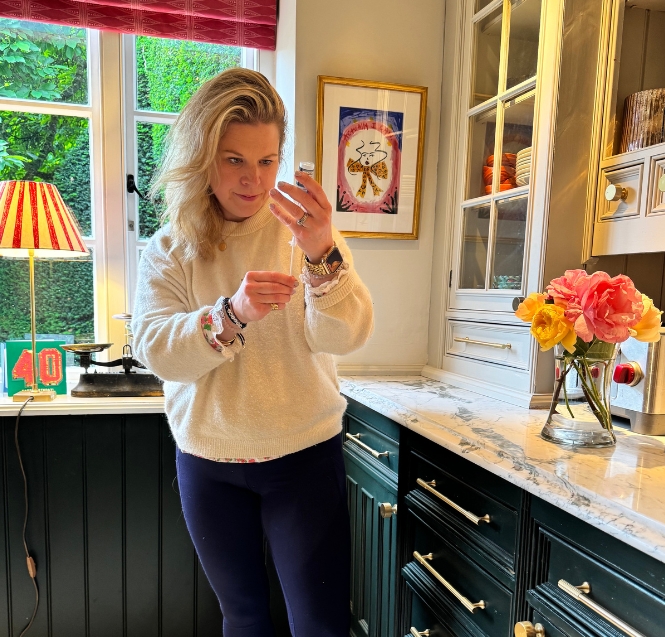
This is certainly true of my own experience of taking weight loss peptides after pregnancy – the weight loss therapy journey that I began last year after I stopped breastfeeding babies four and five, with support from the experts at Joi Women’s Wellness.
My goal was always slow and steady, and I’d made a mental note to report back to the TRB community with my progress.
Close to one year on, I’ve lost around 35 pounds (that’s around 2.5 stone). But it was about so much more than just this. It was about regaining my energy, feeling confident in myself again, and taking control of my whole-body health – a multi-faceted goal, which I can confidently say I’m well on my way to achieving.
With this in mind, I wanted to share what I’ve been eating in a day while on GLP-1s over the last year, as well as breaking down some simple, practical tips on what to eat while taking GLP-1s to feel good and support healthy, sustained weight loss.
Before I get into it – TRB readers get 20% off on their first purchase site-wide with Joi Women’s Wellness, using code THERIBBONBOX at checkout.
Why what to eat on GLP-1s still matters
First up, yes, GLP-1s can reduce cravings and appetite. But no, that doesn’t mean food becomes irrelevant. You still need to eat. In fact, the better your nutrition, the better you’ll feel. Energy, hormones, muscle mass, digestion, all of it depends on you getting in enough fuel, especially protein and hydration.
If you’re not eating enough, you might feel more tired or dizzy, or even notice muscle loss over time (something that became increasingly important to avoid as I approached my fourtieth birthday).
So, eating smart – not less – is the goal here.
Best foods to eat on GLP-1s
When thinking about what to eat on GLP-1s, my biggest takeaway is to move away from a ‘restriction’ mindset.
As part of one of my one-to-one support consults (included as part of the Joi package) I learned that it’s really important to keep eating a vibrant diet, with a particular focus on protein intake.
Here’s my quick cheat sheet of the best foods to eat on GLP-1s:
- Lean protein – chicken, turkey, eggs, tofu, Greek yogurt, cottage cheese, fish
- Fiber-rich veggies – spinach, broccoli, courgette, mushrooms, carrots
- Healthy fats – avocado, olive oil, seeds, nuts
- Whole grains – quinoa, brown rice, oats (if tolerated)
- Hydration – water with electrolytes, herbal teas, bone broth
Why? These foods are easy to digest, support steady blood sugar, and help you feel satisfied without feeling too full – important when your appetite is already lower than usual!
Hydration, hydration, hydration
A quick note on hydration, and don’t underestimate this one.
GLP-1s can suppress thirst as well as hunger, so it’s easy to get behind on fluids. Dehydration can make GLP-1 side effects like nausea and constipation worse (this happened to me), and it can really zap your energy, too.
My goal was to drink at least 2 liters of water a day, but this number could well be higher if you’re very active or live somewhere hot.
How much protein should I eat on GLP-1s?
The experts at Joi advise a bare minimum of 100g of protein per day on GLP-1s, as a non-negotiable amount. I was advised that, for me, 125g would be optimal.
That might sound like a lot, but it adds up quickly when you’re consistent – and it’s one of the best things you can do to support your metabolism while on GLP-1s.
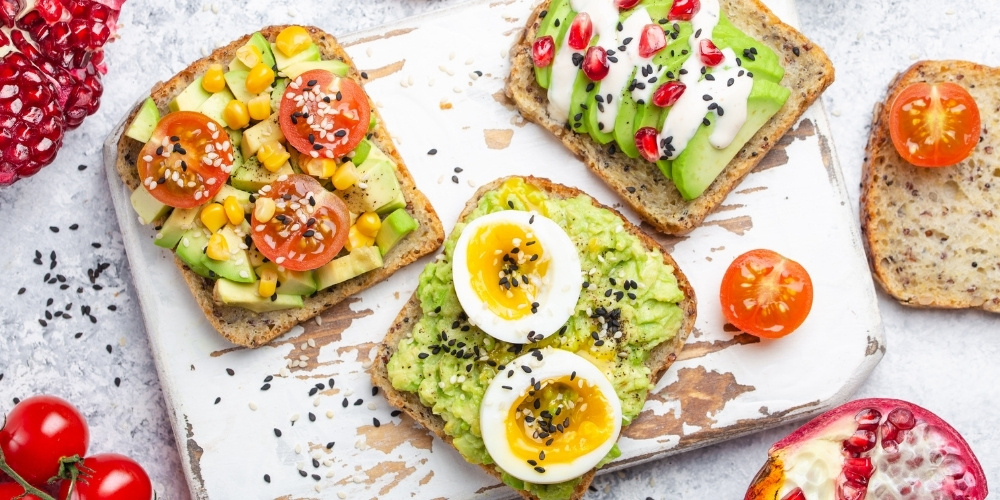
My “what I eat in a day” on GLP-1s
This is a rough outline of what I eat while on GLP-1s. It changes a little day-to-day depending on my plans and hunger levels, but I stick to a few principles:
- Protein with every meal
- Fiber for digestion
- Keeping hydrated
Morning
Hydration comes first. The TRB team will tell you that I have a Stanley Cup pretty much glued to my hand throughout the day, and the same is true for my nightstand at home. I’m also not a big fan of hot drinks, so I’ll skip coffee or tea entirely for water in the morning.
I’ll then follow up with a quick, protein-rich breakfast.
Typical breakfast:
- 2 boiled eggs + ½ avocado on a slice of seeded toast (an absolute staple breakfast for me)
- Optional: Shot of collagen for a little extra protein boost – I like this one by Gold Collagen, which includes Hyaluronic Acid, Elastin and Ceramides to support skin hydration and elasticity.
Lunch
This is where I aim to front-load a big chunk of my protein for the day – often in a bowl-style meal or a wrap/sandwich that I can batch prep with leftovers.
Typical lunch:
- Grilled chicken
- Brown rice or noodles
- Roasted veggies (courgette, peppers, red onion)
- A drizzle of tahini or olive oil for healthy fats
This keeps me full without feeling heavy. And to be honest, if I’m not very hungry, I’ll just have the protein and vegetables.
Afternoon
I do have a very sweet tooth, and can start feeling snackish at around the 3 pm mark, especially in the office. I usually keep things protein-forward and easy to digest.
Typical snacks:
- Greek yogurt with berries and chocolate shavings
- Handful of chocolate almonds
- Protein shake (look for one with at least 20g protein – I’ve been going for the Daily Shake Pregnancy & Postpartum from Ritual since I had my second set of twins)
Dinner
Dinner tends to be light but satisfying. I focus on cooked vegetables and a lean protein, which also digests easily in the evening.
Typical dinner:
- Fajitas with prawns, beef or chicken
- Veggies (Avocado, broccoli and bell peppers)
- Whole grain, non-UPF wraps
- A splash of sesame oil with the fajita mix for flavor
Evening
I don’t usually eat after about 8 pm, but if I’m not feeling full or know I haven’t hit my protein goal, I might have a little protein shake.
My final thoughts (& where you can get support)
The bottom line? Whilst I have had some side effects like nausea and anxiety, my weight loss therapy journey overall has been a game-changer. I feel much more confident, energetic, and back to feeling like myself again after five children.
Thanks to Joi Women’s Wellness, I’ve also learned a massive amount about nutrition and what works best to fuel my own changing body. Remember, if you’re taking GLP-1s, your body deserves nourishment always, and you don’t have to overhaul everything overnight, either. Just take it meal by meal.
And if you’re looking for more tailored support, Joi Women’s Wellness is there to help. From GLP-1 guidance to supplements and nutrition coaching, they’re a brilliant partner for women navigating a health journey.
Make sure to consult with an expert professional provider, and tailor the approach to your unique needs.