












































Menopause weight loss – Why building strength & muscle beats cutting back


You’ve probably read somewhere online that the answer to weight changes during menopause (and perimenopause, the transitional period beforehand) is simply to “just eat less.”
It’s a message that’s not only completely wrong, but downright dismissive – especially when you’re battling symptoms and your usual routines don’t feel the same as they used to.
Whilst we still have a little way to go in terms of how we’re speaking to women going through the menopause transition, things are gradually starting to change for the better, with research backing a much more helpful approach focusing on your strength, your energy and your long-term health.
Strength training, menopause & finding support
Building muscle via strength training in menopause becomes one of the most reliable tools for feeling better in your body. And with support from a guided programme like Envigore, it’s much easier to build habits that actually stick.
Envigore is a UK telemedicine and wellness clinic offering structured, clinician-supervised and scientifically-backed medical weight management and wellness programmes. Specifically, their menopause support coaching sessions, led by Dr. Irina Jahn, MD, help you understand your symptoms and find the best approach for your body, from HRT to natural support. Explore medically-informed support options here.
Tapping into her 30 years of experience in medicine, read on as Dr. Jahn explains what’s really going on during menopause, and why strength training in particular offers such powerful support at this stage of life.
Can menopause cause weight gain?
The short answer is yes, it can. Some women do gain a bit of weight during the menopause transition, although it doesn’t happen to everyone.
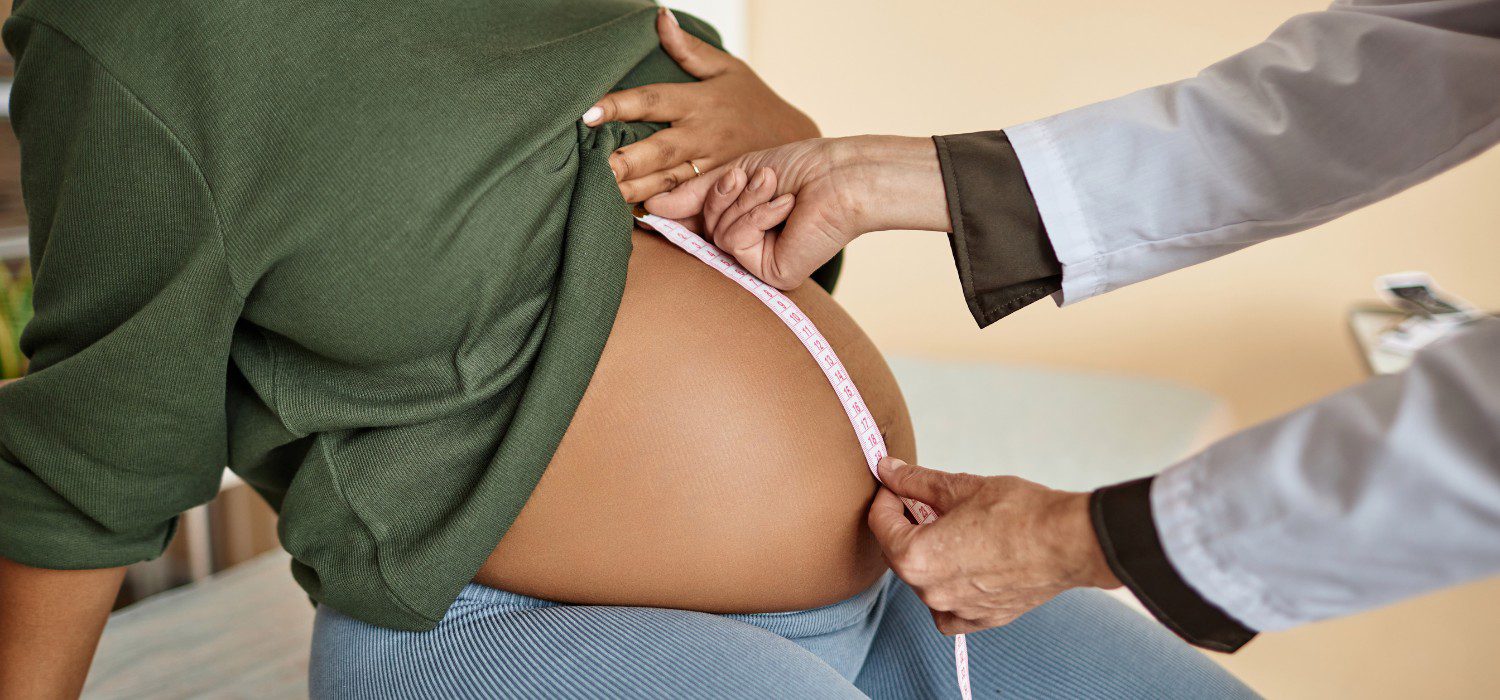
What does happen more consistently is a shift in where your body stores fat. Before menopause, fat often sits around the hips and thighs. As oestrogen falls, your body redirects more fat to the abdomen, including visceral fat, which sits deeper inside the abdominal area and has a stronger link to heart and metabolic health.
At the same time, you might notice changes in your appetite, energy levels and muscle mass. These shifts can affect your body composition even if the number on the scales hasn’t moved much.
Note: If you’re exploring Wegovy or Mounjaro, these medicines can reduce appetite and support weight loss when prescribed correctly, but they can also potentially increase the risk of losing muscle.
During menopause (when muscle is already harder to maintain) strength training and good nutrition become absolutely essential – more on this below!
Menopause and muscle loss – what’s the link?
Several changes happen at once:
- Muscle naturally starts to decline in your 40s (this is called sarcopenia)
- Lower oestrogen affects the way your muscle cells repair and produce energy
- Tiredness, sleep difficulties, joint aches and stress can reduce your activity levels
- Genetics can also shape how your body responds
Holding onto muscle is important for your metabolism, health and the long-term success of your weight journey.

What are some of the most common misconceptions around menopause, weight gain and exercise?
1. “Everyone gains weight in menopause.”
Hormones influence fat distribution, although weight gain varies between people.
2. “All menopause experiences are the same.”
Menopause is highly individual. Your timing, symptoms and intensity are unique to you.
3. “There’s nothing I can do about the changes.”
You can influence how you feel, how your body composition shifts and your long-term wellbeing.
4. “I have to lift very heavy weights for it to work.”
The right starting point is simply what feels challenging for you.
5. “Cardio is the best way to manage weight.”
Cardio is wonderful for heart health, while strength training protects your muscle, supports metabolism and helps reduce abdominal fat.
6. “Medication will sort everything.”
When prescribed correctly and paired with a balanced diet and lifestyle changes, GLP-1 medication can support appetite suppression. But ultimately, lifestyle habits protect your muscle and overall health.
How to build muscle in menopause – what counts?
When it comes to strength training, anything that makes your muscles work against resistance counts!
You might choose:
- Bodyweight moves like squats, lunges, push-ups or planks
- Resistance bands
- Dumbbells, kettlebells or gym machines
- Household items like water bottles or shopping bags
You don’t need a gym or heavy equipment to begin. If your muscles feel challenged and you gradually increase the difficulty, you’re strength training!
What are the top benefits of strength training in menopause?
Strength training offers some of the most meaningful benefits for women in midlife. It helps you:
- Protect your bones – Falling oestrogen can speed up bone loss. Strength training provides the stimulus bones need to stay strong.
- Maintain and rebuild muscle – This helps you stay steady, capable and independent.
- Reduce abdominal fat – More muscle and better insulin sensitivity support a healthier fat distribution.
- Support weight management – Muscle burns more energy than fat, even when resting, which helps your metabolism.
- Boost your mood and wellbeing – Strength training can lower stress hormones and lift your energy.
How often should you strength train during menopause if you’re on a weight management journey?
A realistic routine includes:
- 2–3 strength sessions per week, spaced across the week
This gives your muscles time to recover and adapt. Even two sessions a week can shift your strength, stability and body composition.

What’s a good balance of cardio vs strength for weight management?
A balanced week could look like:
- Strength training: 2–3 times a week
- Cardio: Around 30 minutes on most days (walking, swimming, cycling, dancing — whatever you enjoy)
- Flexibility and balance: Twice weekly (yoga, Pilates, tai chi)
This blend supports your heart, protects your muscles and bones, keeps you mobile and helps with sustainable weight management.
It also aligns with the evidence around strength training in menopause, cardio vs strength in menopause and menopause and muscle loss.
How can an expertly-guided solution like Envigore support your strength and weight management journey?
Envigore brings the elements women in midlife often find most helpful:
- Personalised menopause coaching
- Clear, trustworthy nutrition guidance
- Support to maintain muscle while using GLP-1 medication
- Strength programmes designed for women over 40
- Practical advice for symptoms, mood and everyday life
- Steady accountability and encouragement
It creates a supportive framework that fits into real life, helping your strength training, nutrition and routines work together rather than feel overwhelming.
You’ll begin with a medical assessment reviewed by a licensed prescriber, ensuring treatment is safe, appropriate and personalised.
Support continues beyond prescription approval, and with weekly or biweekly check-ins that keep you informed, motivated and reassured, it’s a level of ongoing guidance that truly sets Envigore apart.
Want to access support?
Menopause weight management feels far more empowering when it focuses on building your strength, confidence and long-term wellbeing. Think sustainable support, rather than quick fixes.
Envigore offers 360° guidance to help you create sustainable habits, protect your muscle, and feel more in control of your health.
If you’re exploring menopause weight loss, or you want clear support on how to build muscle during menopause, visit Envigore to:
- Book your initial weight loss consultation and use code TRBWELCOME to get up to £75 off on a single pen, free magnesium, free shipping, a sharps bin as well as their 7-Day Health Kickstart Bundle*
- Join their private patient community
* offer applies only to eligible orders that include weight loss medication